View methods side by side.
Choose up to four methods. Add them using the search and share the comparison by copying its link.
| Criterion |  Engineering Hypothesis-Driven Troubleshooting | 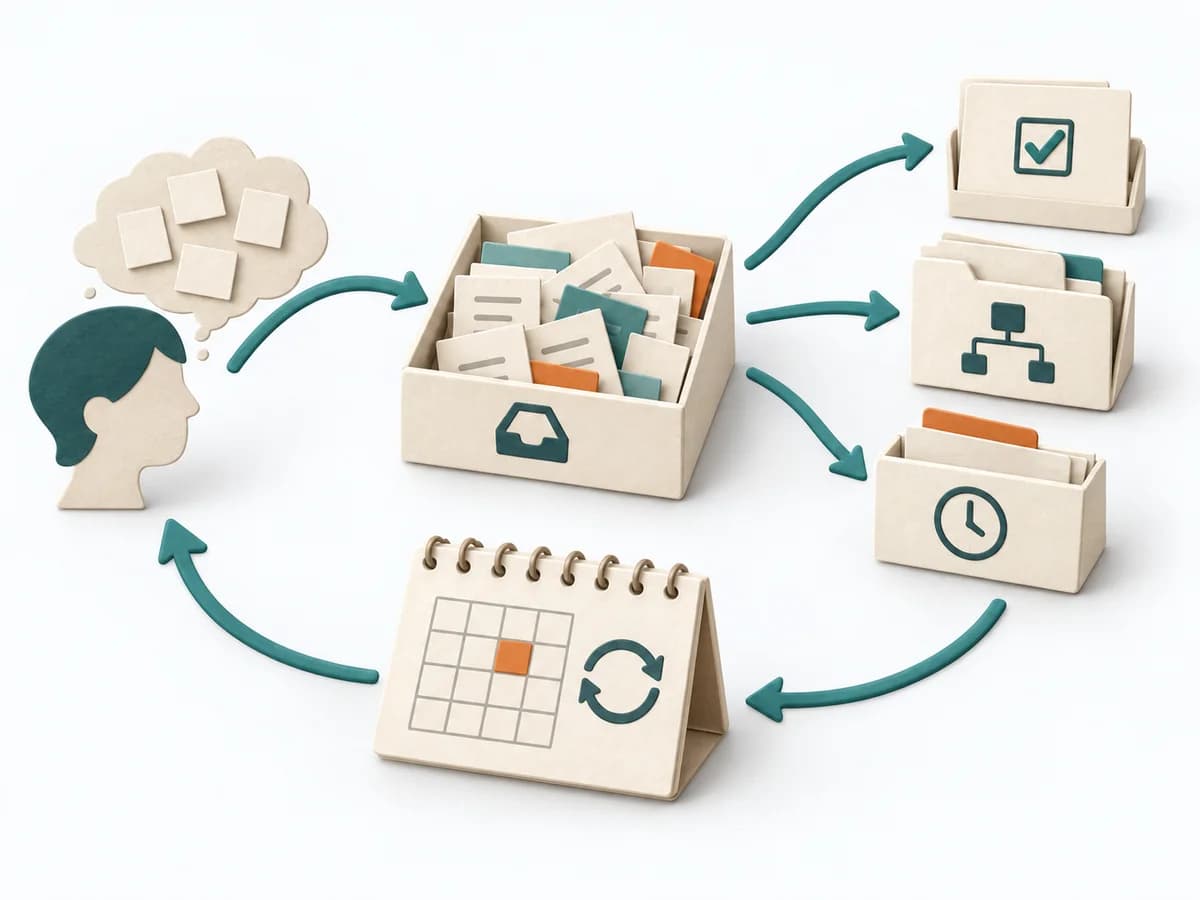 Operations Getting Things Done |  Business Strategy GAP Analysis | 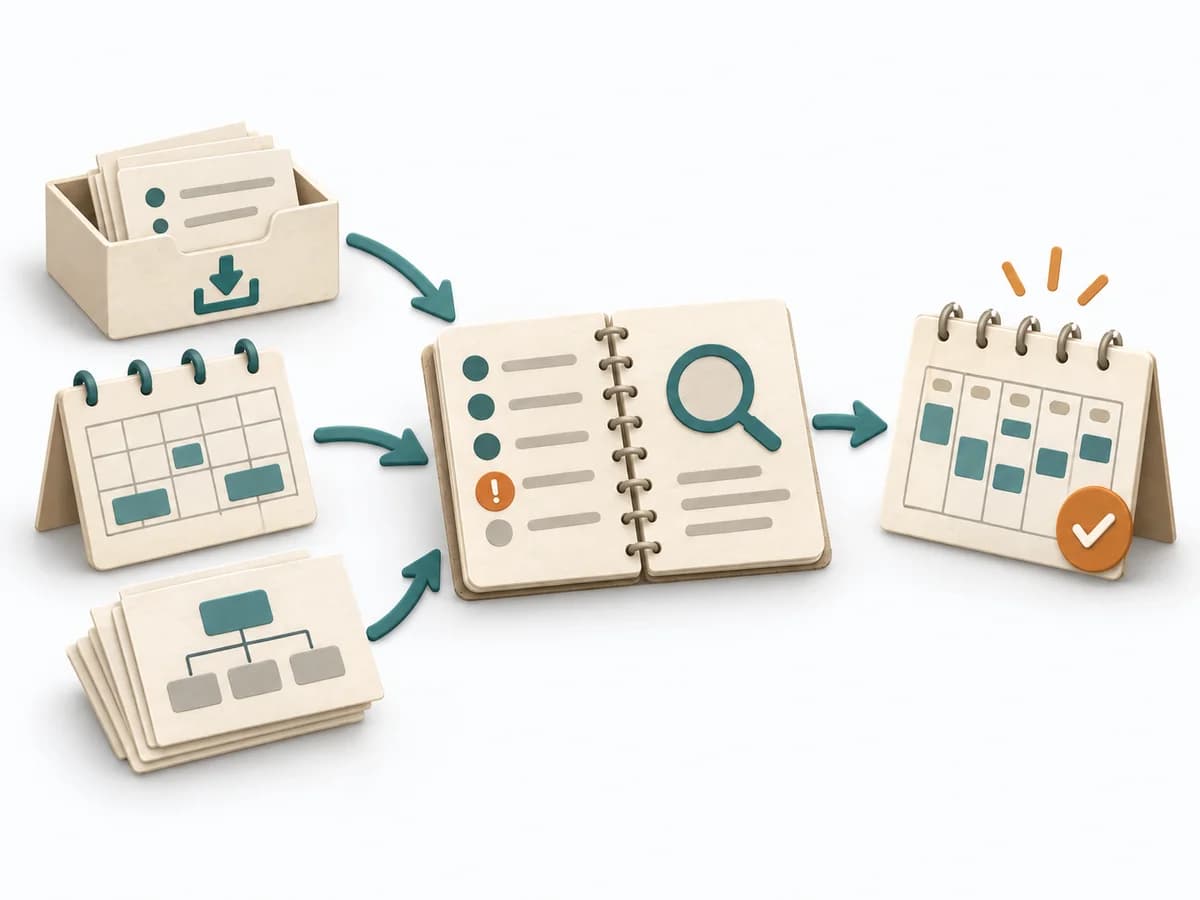 Operations Weekly Review |
|---|---|---|---|---|
Purposedifferent | When systems fail unexpectedly, spontaneous attempts often produce more noise than insight. Hypothesis-driven Troubleshooting translates symptoms into testable assumptions and makes troubleshooting learnable. | With many open commitments and ideas in daily life, a reliable external storage system emerges. The method relieves the mind so priority and context don't have to compete in memory. | GAP Analysis compares the current state with a target picture and makes the distance manageable. It becomes useful when, ahead of new initiatives, it must become clear which capabilities, processes, or resources are missing. | In a week with many open loops, the method creates distance from operational noise. It organizes commitments, calendar, and projects so the next week becomes workable. |
Complexitydifferent | Medium | Medium | Medium | Low |
Timedifferent | 30-240 min | 1-2 h Setup, laufend | 1-3 h | 30-60 min |
Participantsdifferent | 1-6 | 1 | 2-8 | 1 |
Formatdifferent | Workshop + async | Async | Workshop + async | Async |
Outputdifferent | Hypothesis Log, Test Plan, Evidence Notes, Diagnosis Summary | Action Lists, Project List, Review Routine | Gap Matrix, Action Plan, Risk Notes | Updated Task System, Weekly Focus, Next Actions |
Tagsno overlap | TroubleshootingProblem solvingDiagnosis | ProductivityPlanningTasksExecution | StrategyAnalysisPlanning | ProductivityExecutionPlanning |