View methods side by side.
Choose up to four methods. Add them using the search and share the comparison by copying its link.
| Criterion |  Engineering Hypothesis-Driven Troubleshooting | 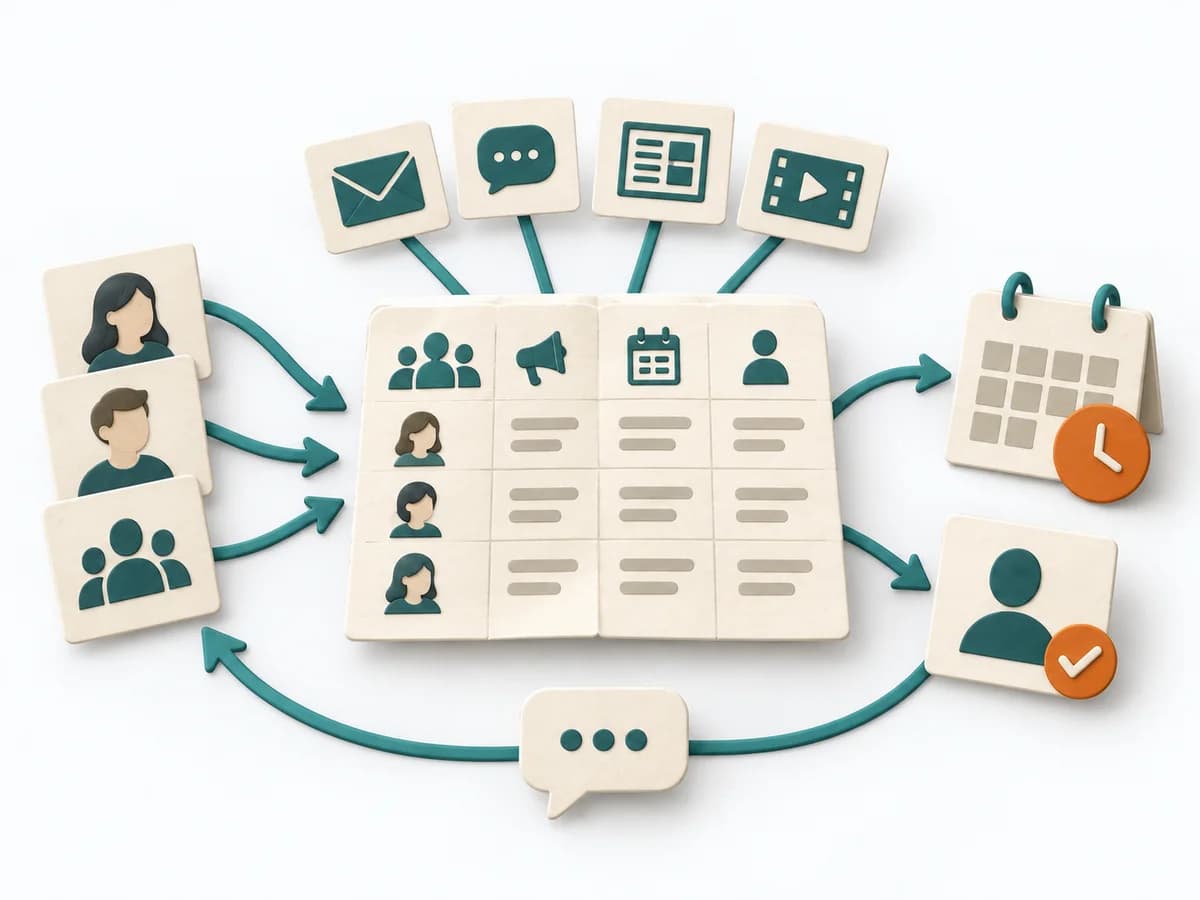 Delivery Communication Plan | 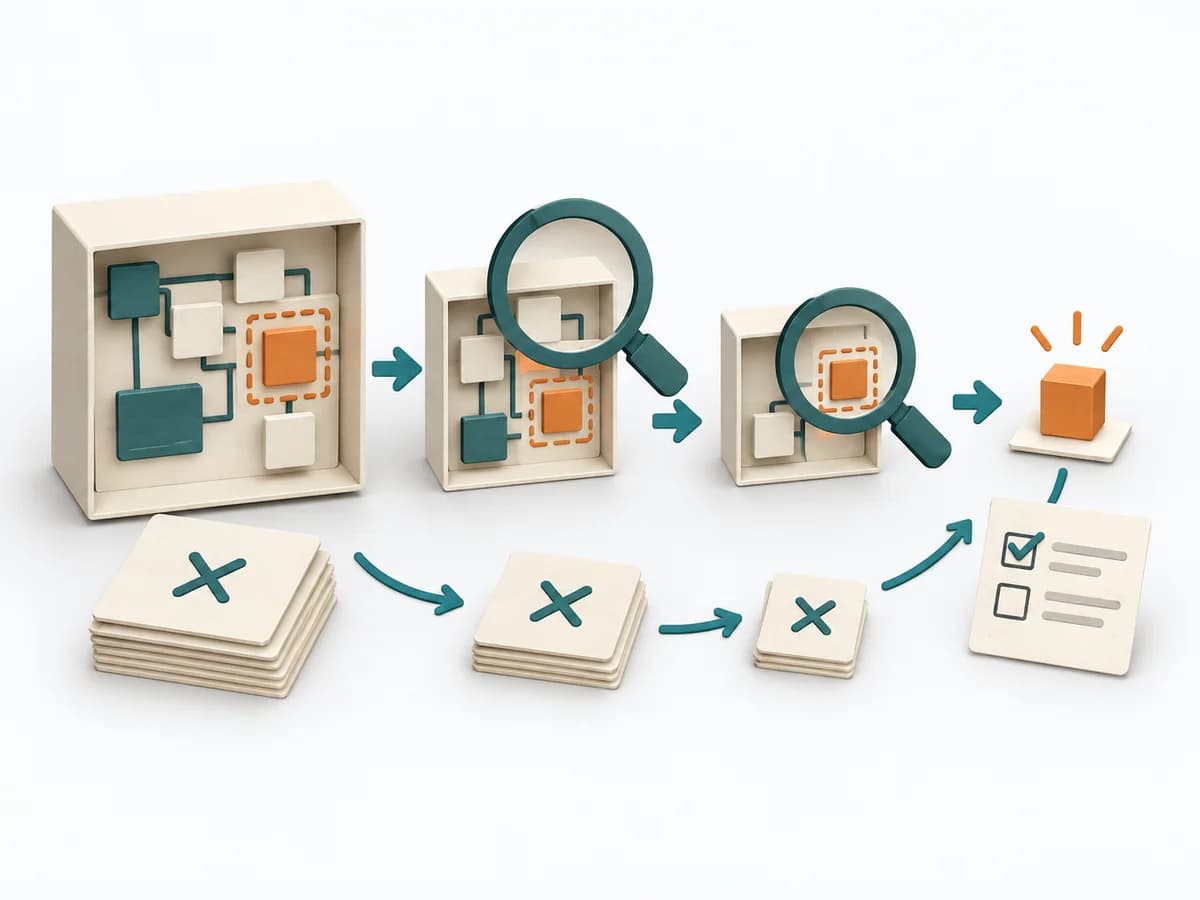 Engineering Fault Isolation | 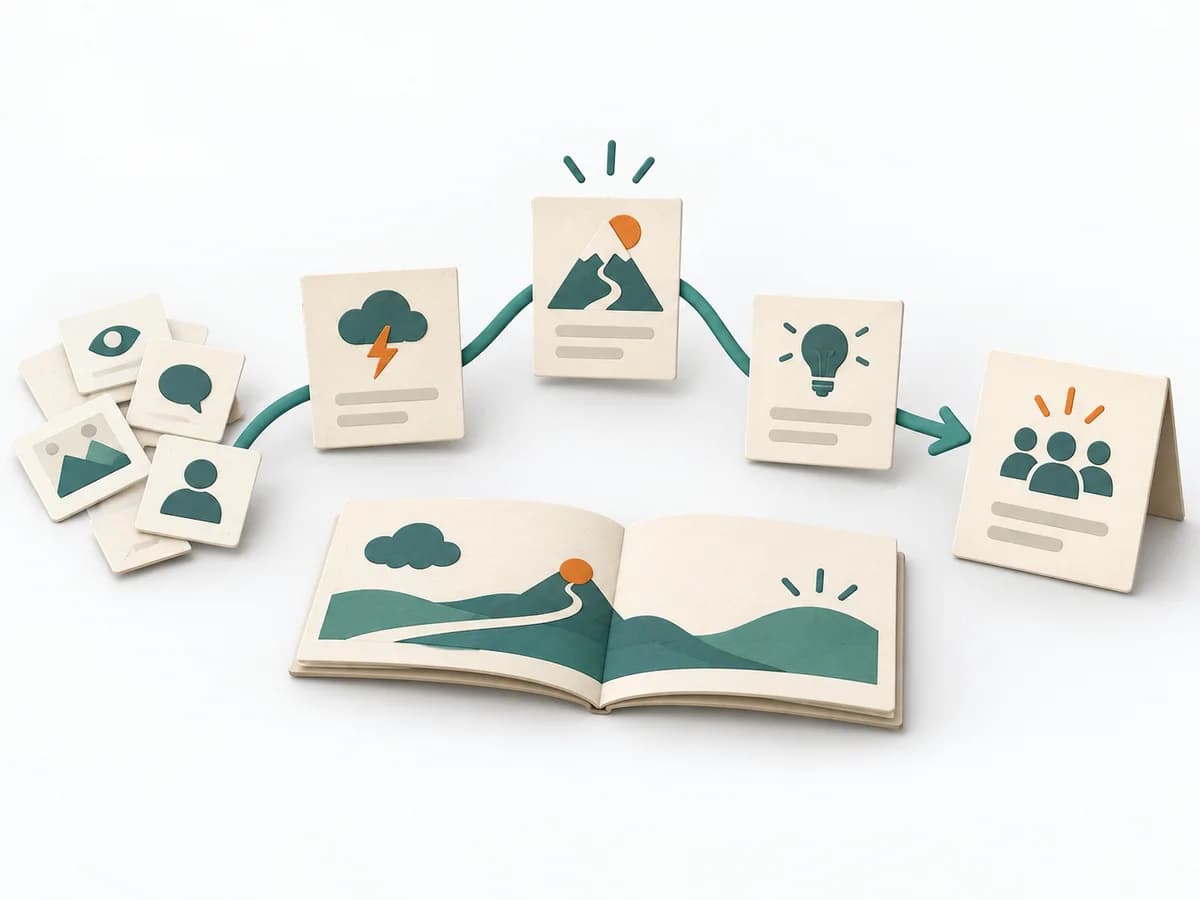 Facilitation Storytelling |
|---|---|---|---|---|
Purposedifferent | When systems fail unexpectedly, spontaneous attempts often produce more noise than insight. Hypothesis-driven Troubleshooting translates symptoms into testable assumptions and makes troubleshooting learnable. | When many people need to be informed in parallel and messages would otherwise arrive unevenly or too late, a Communication Plan orders communication reliably. Channels, audiences, and cadences interlock so important information doesn't get lost. | In technical failures, the visible symptom often gets mixed up with the actual cause. Fault Isolation narrows the fault space and progressively reduces which part of the system is truly affected. | When an insight needs to have an effect, storytelling translates dry facts into a comprehensible development. It combines context, tension, and consequence into a form that people remember and pass on more easily. |
Complexitydifferent | Medium | Low | Medium | Medium |
Timedifferent | 30-240 min | 45-90 min | 30-180 min | 45-120 min |
Participantsdifferent | 1-6 | 2-6 | 1-6 | 1-6 |
Formatsame | Workshop + async | Workshop + async | Workshop + async | Workshop + async |
Outputdifferent | Hypothesis Log, Test Plan, Evidence Notes, Diagnosis Summary | Communication Plan, Channel Matrix, Message Cadence | Fault Isolation Map, Test Log, Excluded Hypotheses, Narrowed Fault Area | Narrative Outline, Key Message, Story Arc |
Tagsno overlap | TroubleshootingProblem solvingDiagnosis | CommunicationStakeholdersDeliveryPlanning | TroubleshootingDiagnosisEngineering | CommunicationNarrativeStakeholdersFacilitation |