View methods side by side.
Choose up to four methods. Add them using the search and share the comparison by copying its link.
| Criterion | 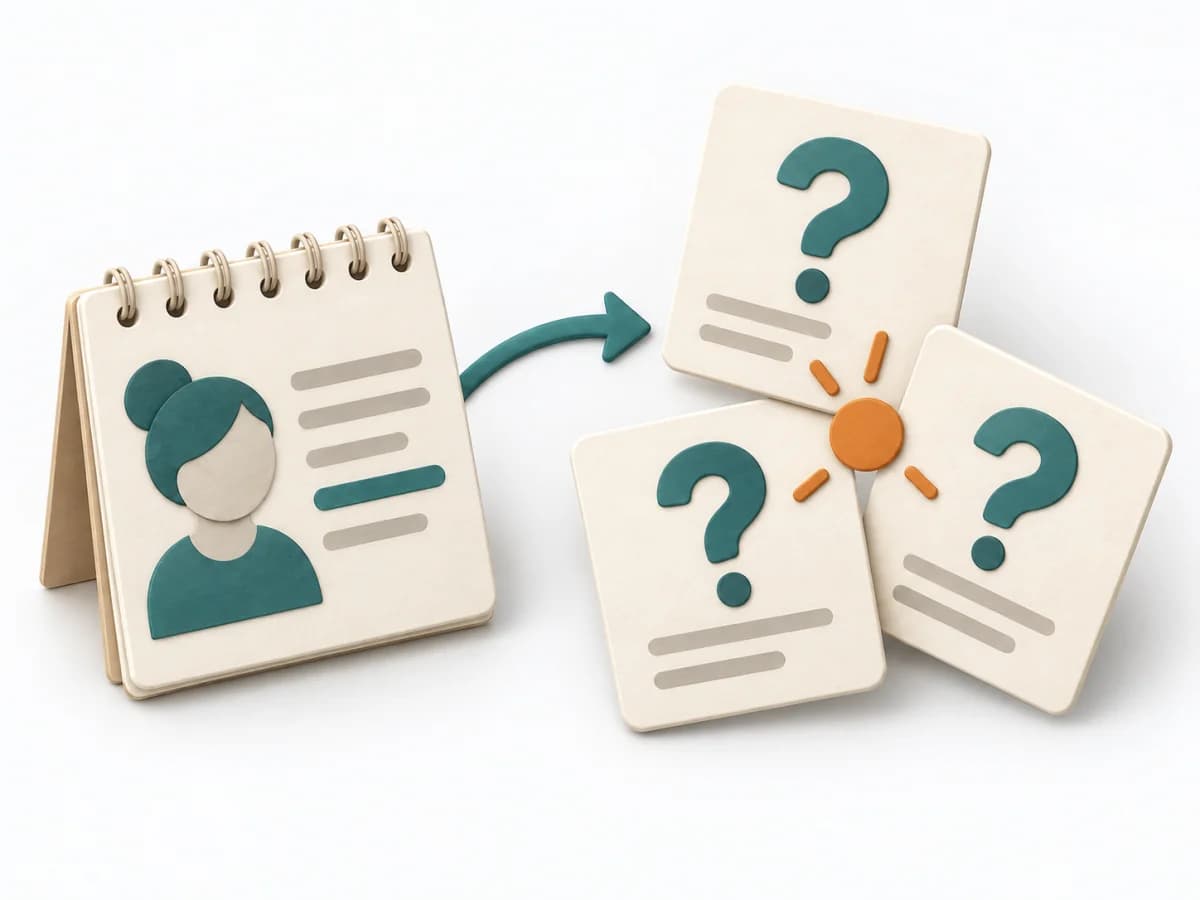 Innovation How Might We | 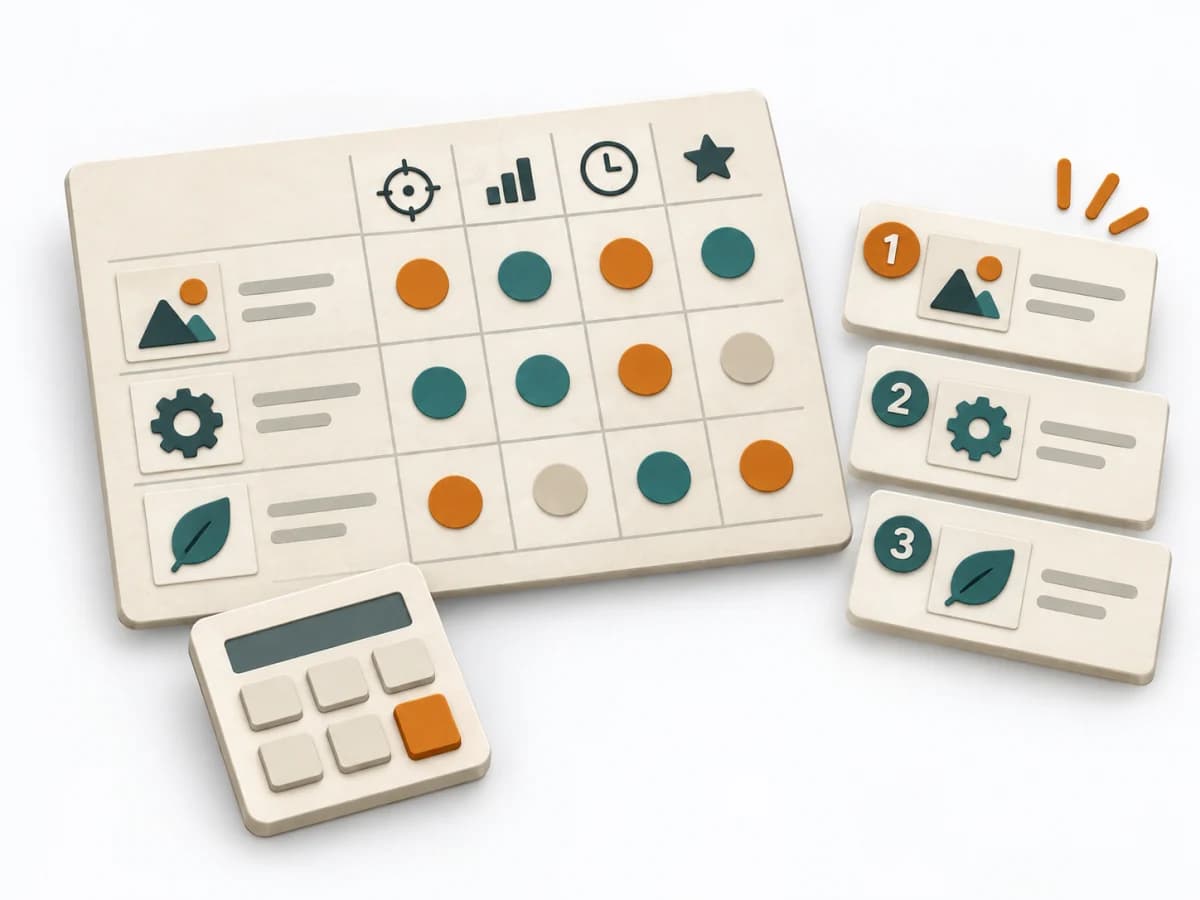 Product Strategy RICE Scoring |  Facilitation Dot Voting |  Facilitation Consensus Workshop |
|---|---|---|---|---|
Purposedifferent | With a stuck problem carrying many implicit assumptions, the method translates observations into open, workable questions. It sharpens the problem frame without pre-thinking the solution, turning frustration or fuzziness into a search space with clear direction. | When many initiatives compete for the same resources, it brings reach, impact, confidence, and effort into one shared ranking. It makes prioritization economically connectable. | When a workshop has produced too many options and the group needs to condense quickly, dot voting makes preferences visible in a short time. It bundles individual votes into a solid signal for the next selection. | When a group needs a solid decision without outvoting individual factions, a Consensus Workshop creates a negotiable common ground. It makes agreement, reservations, and open tensions discussable at the same time. |
Complexitydifferent | Low | Medium | Low | Medium |
Timedifferent | 30–45 min | 60-90 min | 5-15 min | 1-3 h |
Participantsdifferent | 1-10 | 2-10 | 3-20 | 5-30 |
Formatdifferent | Workshop + async | Workshop + async | Workshop | Workshop |
Outputdifferent | HMW Questions, Challenge Framing, Idea Prompts | RICE Scores, Ranked List, Assumption Log | Ranked list, Consensus signal, Shortlist | Consensus Clusters, Theme Titles, Priority Areas |
Tagsno overlap | FramingOpportunityIdeationQuestions | PrioritizationScoringRoadmapTradeoffs | FacilitationVotingConsensusPrioritization | FacilitationConsensusWorkshopAlignment |