View methods side by side.
Choose up to four methods. Add them using the search and share the comparison by copying its link.
| Criterion |  Innovation How Might We | 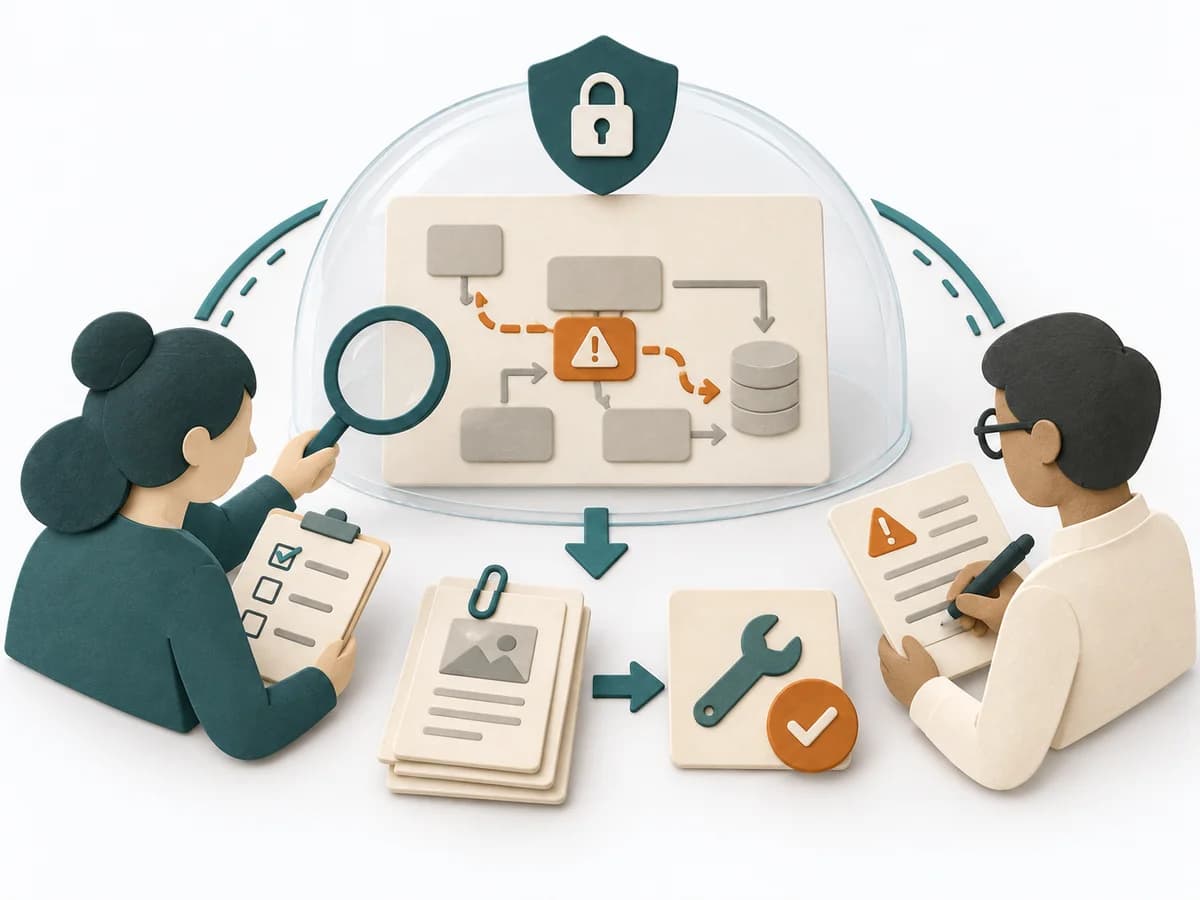 Decision Making Red Teaming |  Product Discovery Smoke Test |  Product Discovery Fake Door Test |
|---|---|---|---|---|
Purposedifferent | With a stuck problem carrying many implicit assumptions, the method translates observations into open, workable questions. It sharpens the problem frame without pre-thinking the solution, turning frustration or fuzziness into a search space with clear direction. | For strategic decisions with high reach, agreement and gut feeling are often not enough. Red teaming brings deliberate opposition into the situation and tests where a plan breaks under real counterarguments. | When demand only needs to be roughly verified, it tests interest with minimal effort. It measures whether people would take a next step at all. | When demand is still unclear, it measures interest in a feature before it is built. It separates real behavior from polite agreement and deliberately keeps build effort small. |
Complexitydifferent | Low | High | Low | Medium |
Timedifferent | 30–45 min | 1-4 h | 1-5 Tage | 1-5 Tage |
Participantsdifferent | 1-10 | 3-8 | Nutzertraffic | Nutzertraffic |
Formatdifferent | Workshop + async | Workshop | Async | Async |
Outputdifferent | HMW Questions, Challenge Framing, Idea Prompts | Challenge Findings, Risk Register, Mitigation Plan | Interest Metrics, Conversion Signal, Learning Note | Click Data, Interest Signal, Learning Decision |
Tagsno overlap | FramingOpportunityIdeationQuestions | RiskDecisionSensemaking | ValidationExperimentsDemandGrowth | ValidationExperimentsDemandDiscovery |