View methods side by side.
Choose up to four methods. Add them using the search and share the comparison by copying its link.
| Criterion | 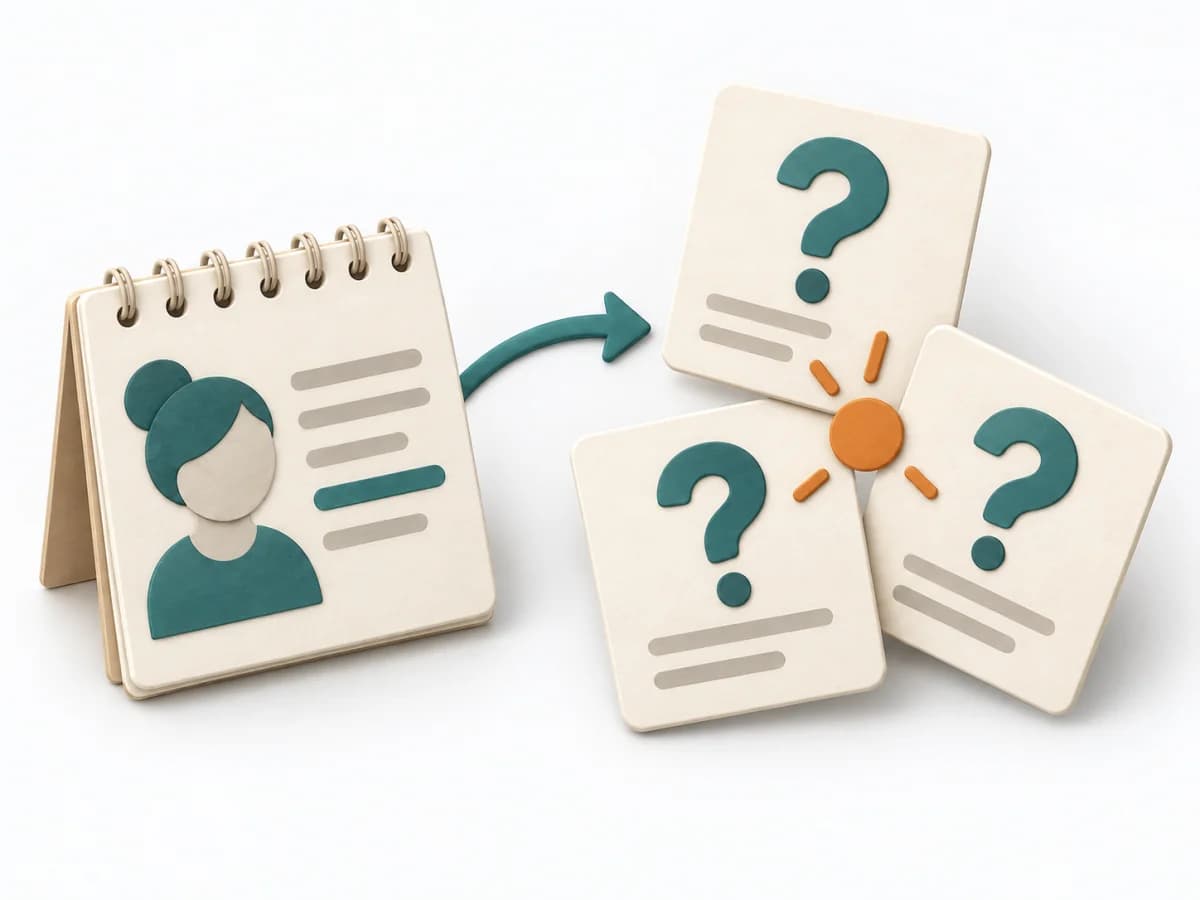 Innovation How Might We |  Operations Fault Tree Analysis |  Innovation Reverse Brainstorming | 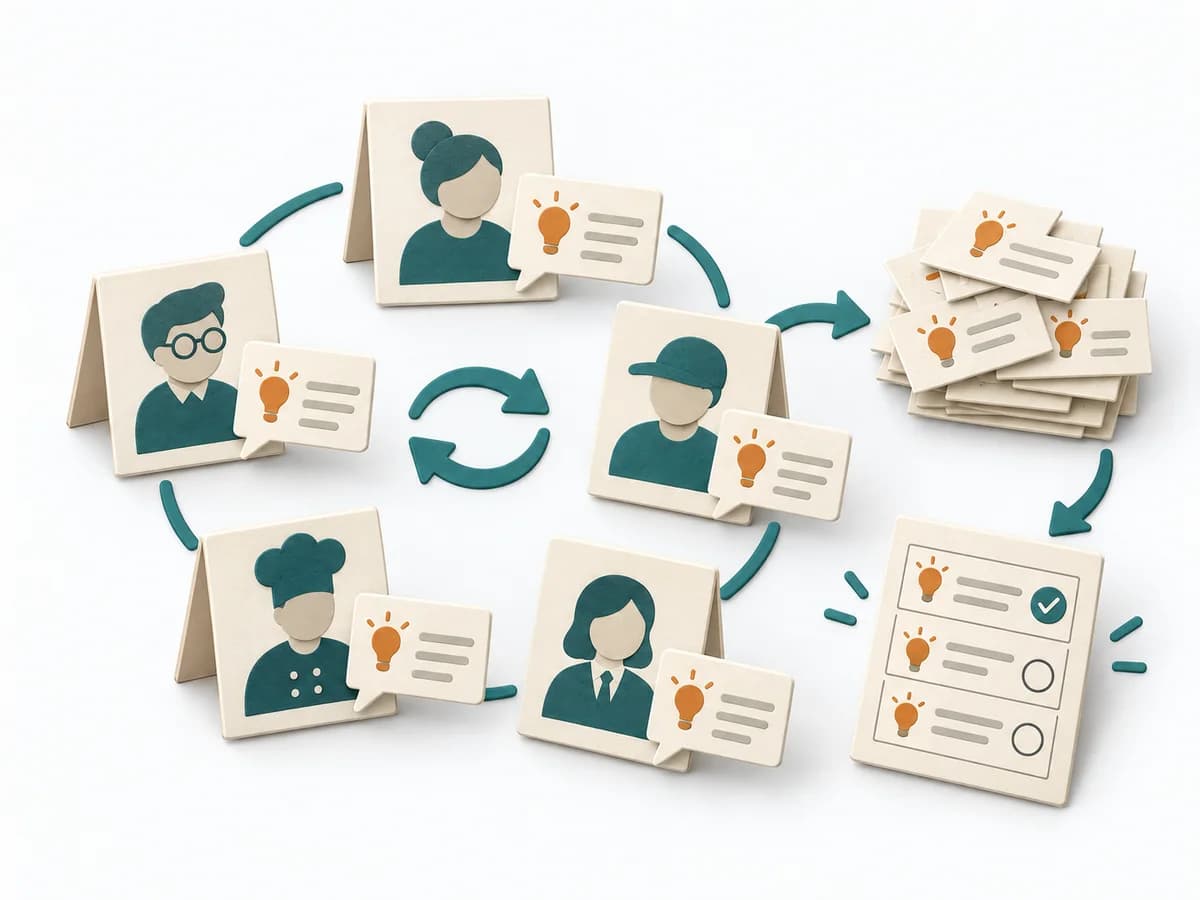 Innovation Rolestorming |
|---|---|---|---|---|
Purposedifferent | With a stuck problem carrying many implicit assumptions, the method translates observations into open, workable questions. It sharpens the problem frame without pre-thinking the solution, turning frustration or fuzziness into a search space with clear direction. | For a critical top event with several possible triggers, the method logically models failure paths. It makes visible which combinations of conditions can lead to damage. | For persistent errors or blockages, the method shifts the view to the opposite of the desired effect. It exposes the mechanics of failure and makes hidden causes easier to grasp. This makes improvement more concrete and the problem clearer. | When a search for ideas stalls, switching roles helps people step outside their own perspective and activate new logics of action. The method reduces habit because contributions arise from a different stance. This brings unfamiliar, often fitting solution approaches into play. |
Complexitydifferent | Low | High | Low | Low |
Timedifferent | 30–45 min | 2-6 h | 30-60 min | 30-60 min |
Participantsdifferent | 1-10 | 3-8 | 3-12 | 3-12 |
Formatdifferent | Workshop + async | Workshop + async | Workshop | Workshop |
Outputdifferent | HMW Questions, Challenge Framing, Idea Prompts | Fault Tree, Critical Paths, Cause Hypotheses, Control Actions | Reverse Ideas, Risk Themes, Solution Ideas | Rollenkarten, Ideenpool pro Rolle, Konsolidierte Shortlist |
Tagsno overlap | FramingOpportunityIdeationQuestions | RiskRoot causeSafety | BrainstormingIdeationCreativityRisk | BrainstormingIdeationCreativity |