View methods side by side.
Choose up to four methods. Add them using the search and share the comparison by copying its link.
| Criterion | 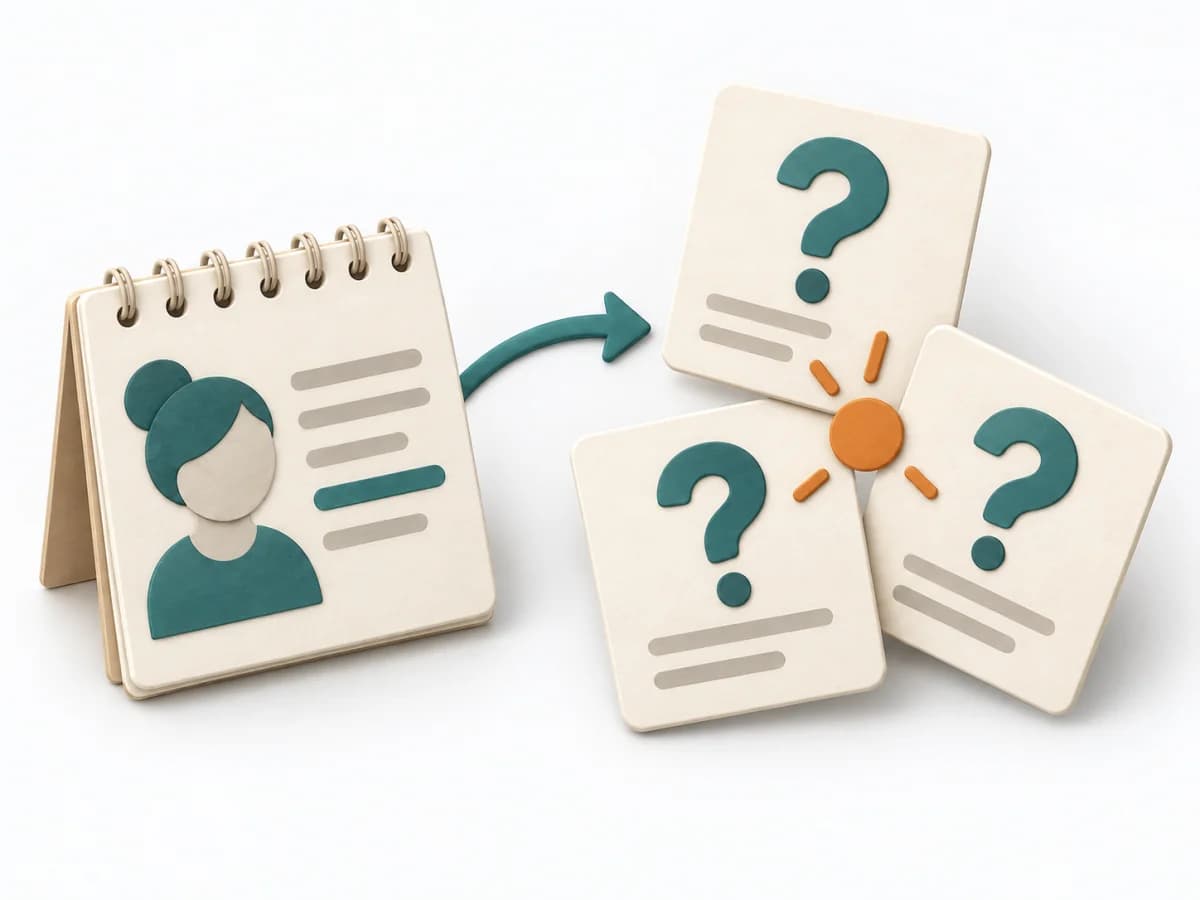 Innovation How Might We |  Domain Modeling EventStorming |  Knowledge Modeling Event Modeling | 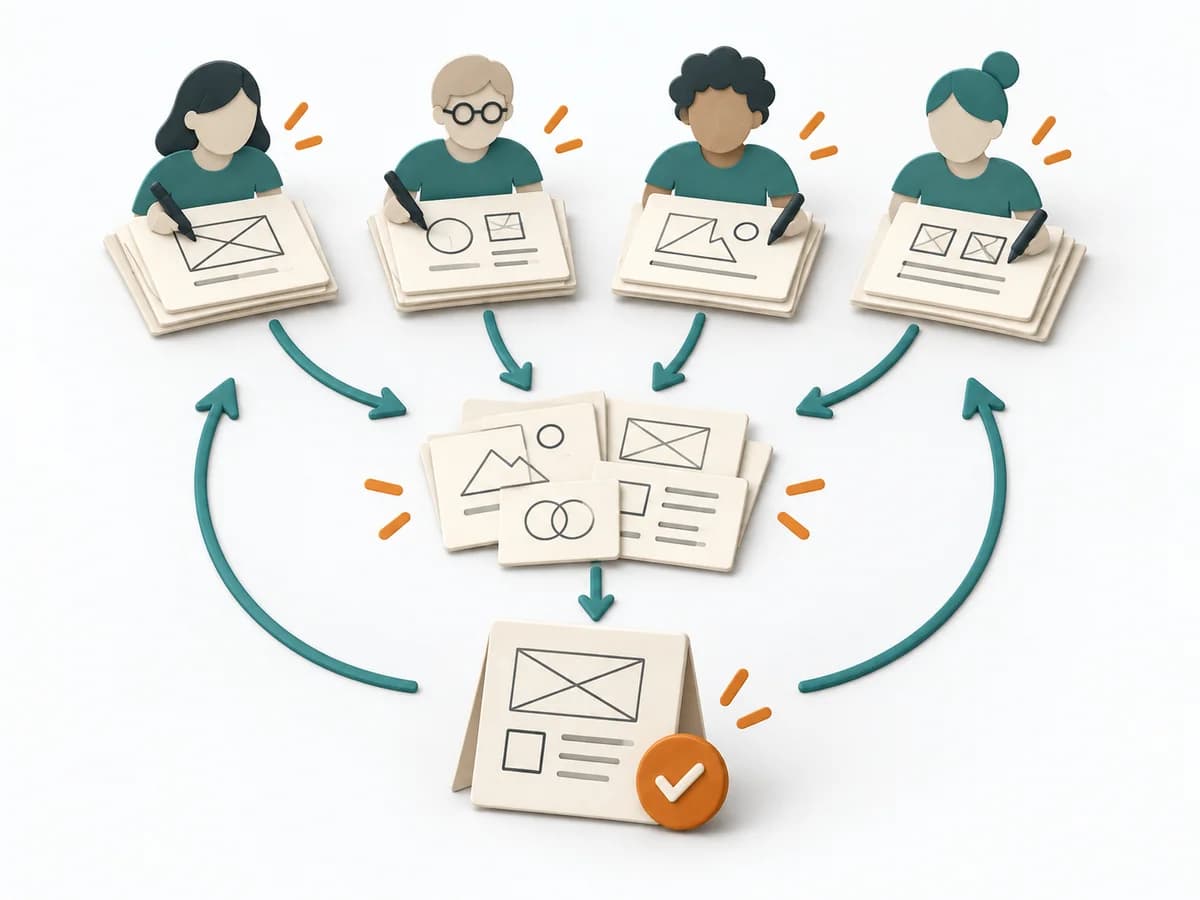 Innovation Design Charrette |
|---|---|---|---|---|
Purposedifferent | With a stuck problem carrying many implicit assumptions, the method translates observations into open, workable questions. It sharpens the problem frame without pre-thinking the solution, turning frustration or fuzziness into a search space with clear direction. | When a domain consists of many events, rules, and states, it creates a shared modeling space for the team. It bundles language, flows, and boundaries before domain knowledge fragments into siloed views. | Event Modeling connects business workflows with commands, events, and views into one coherent mental model. It helps design behavior, UI, and technical slices from the same underlying logic. | In a tightly timed design process with many participants, the method pools several lines of thinking in a short time. It brings parallel design energy without letting the discussion tip into endless coordination. This quickly produces solid directions for architecture or space. |
Complexitydifferent | Low | Medium | Medium | Medium |
Timedifferent | 30–45 min | 2-8 h | 2-6 h | Halber Tag bis mehrere Tage |
Participantsdifferent | 1-10 | 5-12 | 2-8 | 10-50 |
Formatdifferent | Workshop + async | Workshop | Workshop + async | Workshop |
Outputdifferent | HMW Questions, Challenge Framing, Idea Prompts | Event Timeline, Ubiquitous Language, Boundaries, Open Questions | Event Model, UI Flow, Commands, Read Models | Sketches and Concepts, Consolidated Solution Sketch, Prioritized Direction |
Tagsno overlap | FramingOpportunityIdeationQuestions | Domain-Driven DesignEventsDiscoveryWorkshop | EventsBlueprintDomain-Driven DesignBehavior | BrainstormingWorkshopCollaborationIdeation |