View methods side by side.
Choose up to four methods. Add them using the search and share the comparison by copying its link.
| Criterion | 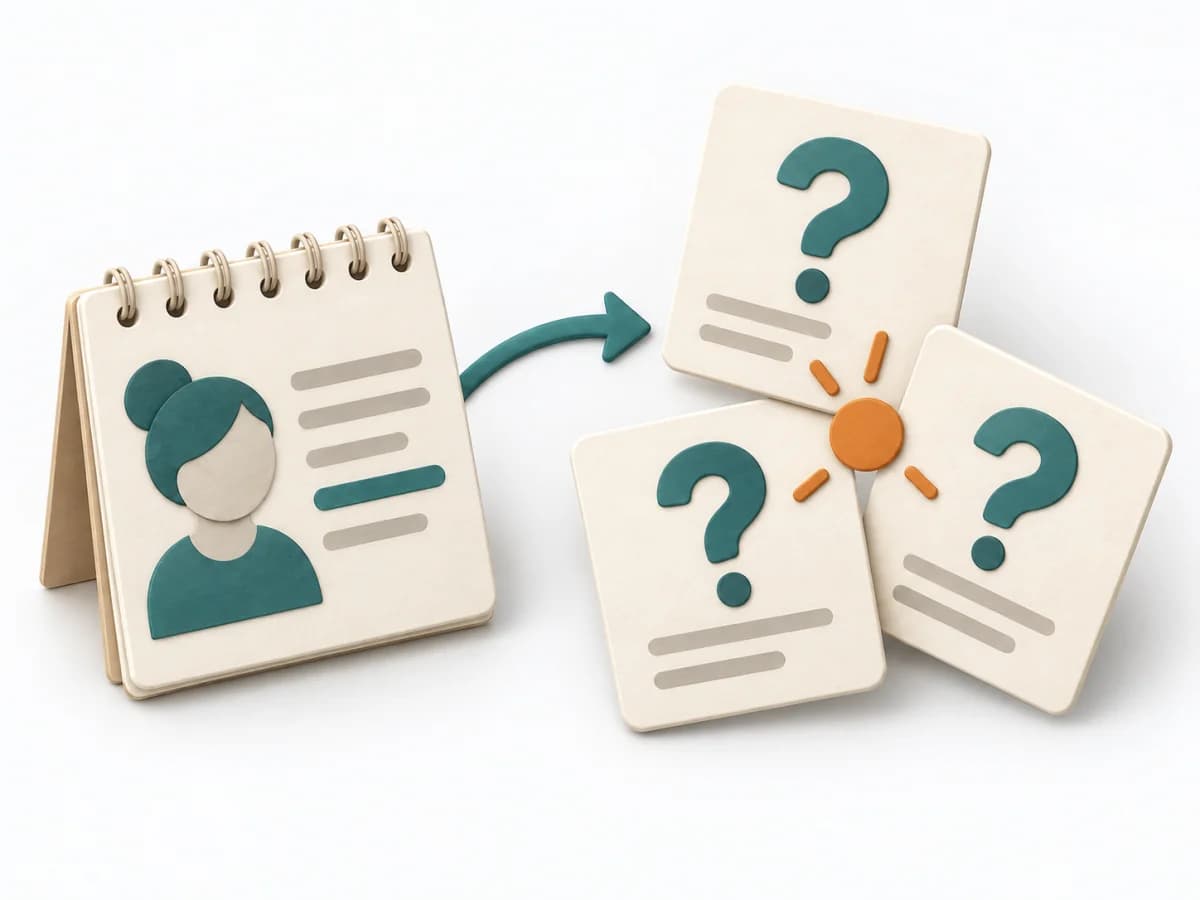 Innovation How Might We | 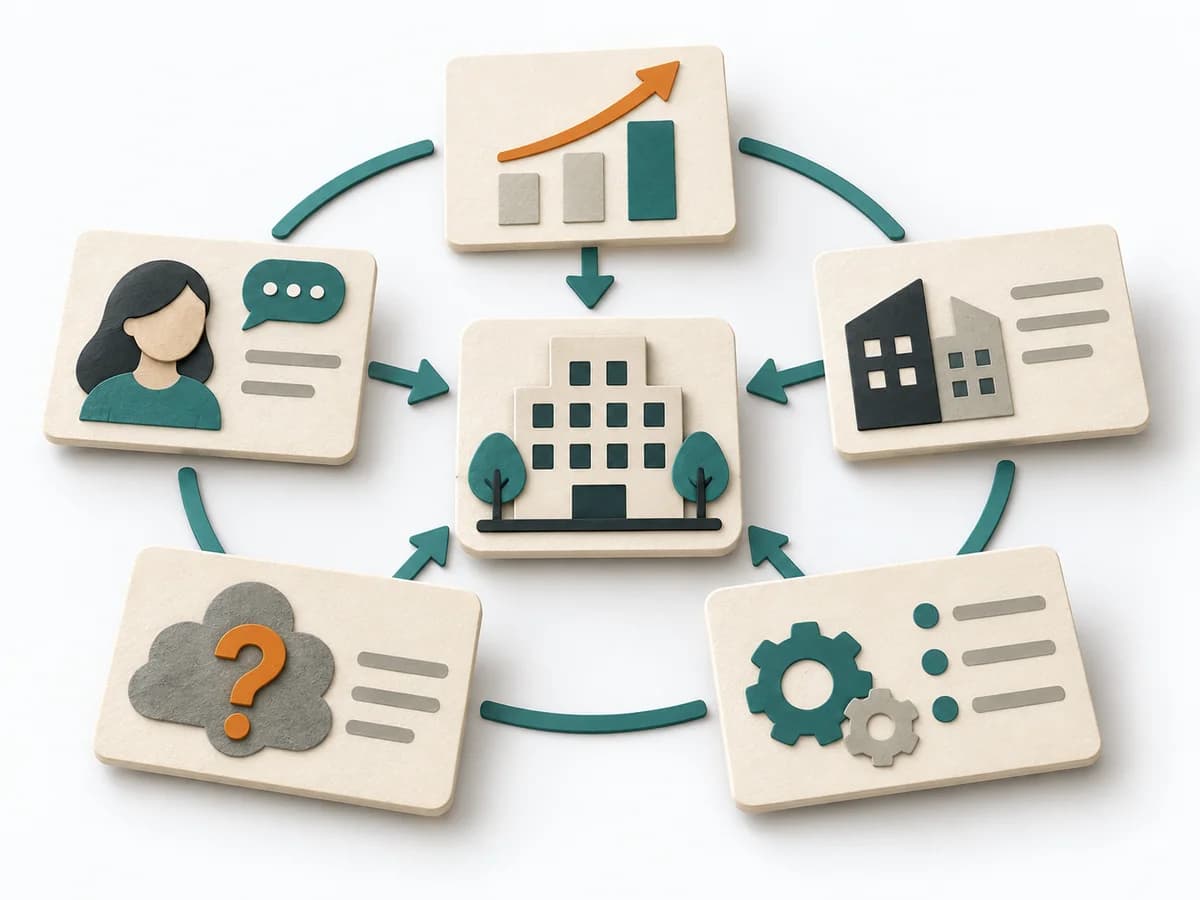 Product Discovery Context Canvas |  Operations Causal Factor Analysis | 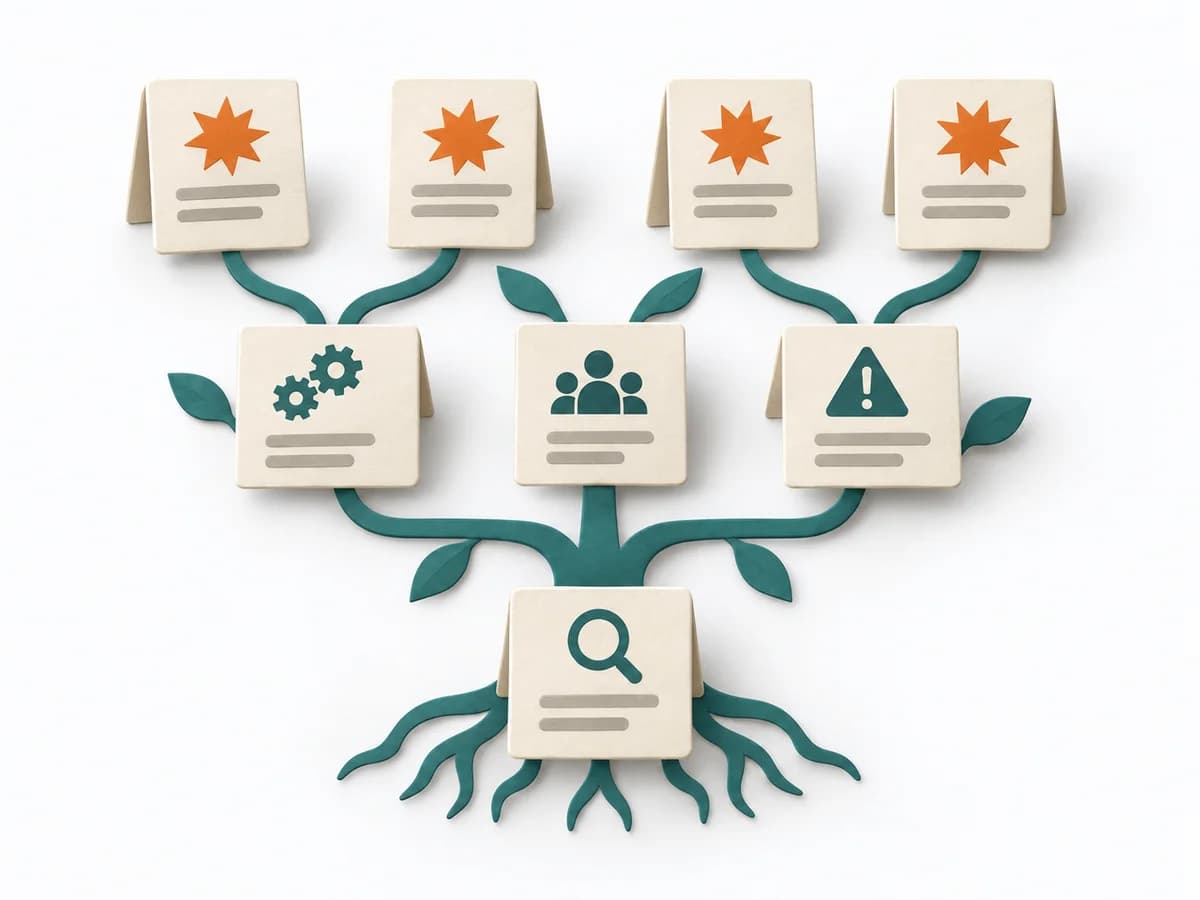 Operations Family Tree Analysis |
|---|---|---|---|---|
Purposedifferent | With a stuck problem carrying many implicit assumptions, the method translates observations into open, workable questions. It sharpens the problem frame without pre-thinking the solution, turning frustration or fuzziness into a search space with clear direction. | When an environment of users, systems, and constraints is hard to grasp, it puts the context compactly on the table. It creates a clear reading of influence, boundary, and dependency. | For an event with a complicated course, the method breaks down the contributing factors along the timeline. It shows how conditions, decisions, and reactions together produce a course of events. | For a series of incidents with a similar pattern, the method arranges individual events as branches of a common origin. It makes visible which conditions keep recurring. |
Complexitydifferent | Low | Low | High | Medium |
Timedifferent | 30–45 min | 45-90 min | 2-6 h | 2-4 h |
Participantsdifferent | 1-10 | 3-10 | 3-10 | 2-6 |
Formatdifferent | Workshop + async | Workshop | Workshop + async | Workshop + async |
Outputdifferent | HMW Questions, Challenge Framing, Idea Prompts | Context canvas, Open questions, Shared context notes | Event Timeline, Causal Factor Chart, Cause List, Corrective Actions | Family Tree Diagram, Pattern Notes, Systemic Measures |
Tagsno overlap | FramingOpportunityIdeationQuestions | ContextFramingRequirementsCanvas | CausalityIncidentRoot causeTimeline | Root causePatternsIncidentSystemic |