View methods side by side.
Choose up to four methods. Add them using the search and share the comparison by copying its link.
| Criterion |  Innovation How Might We | 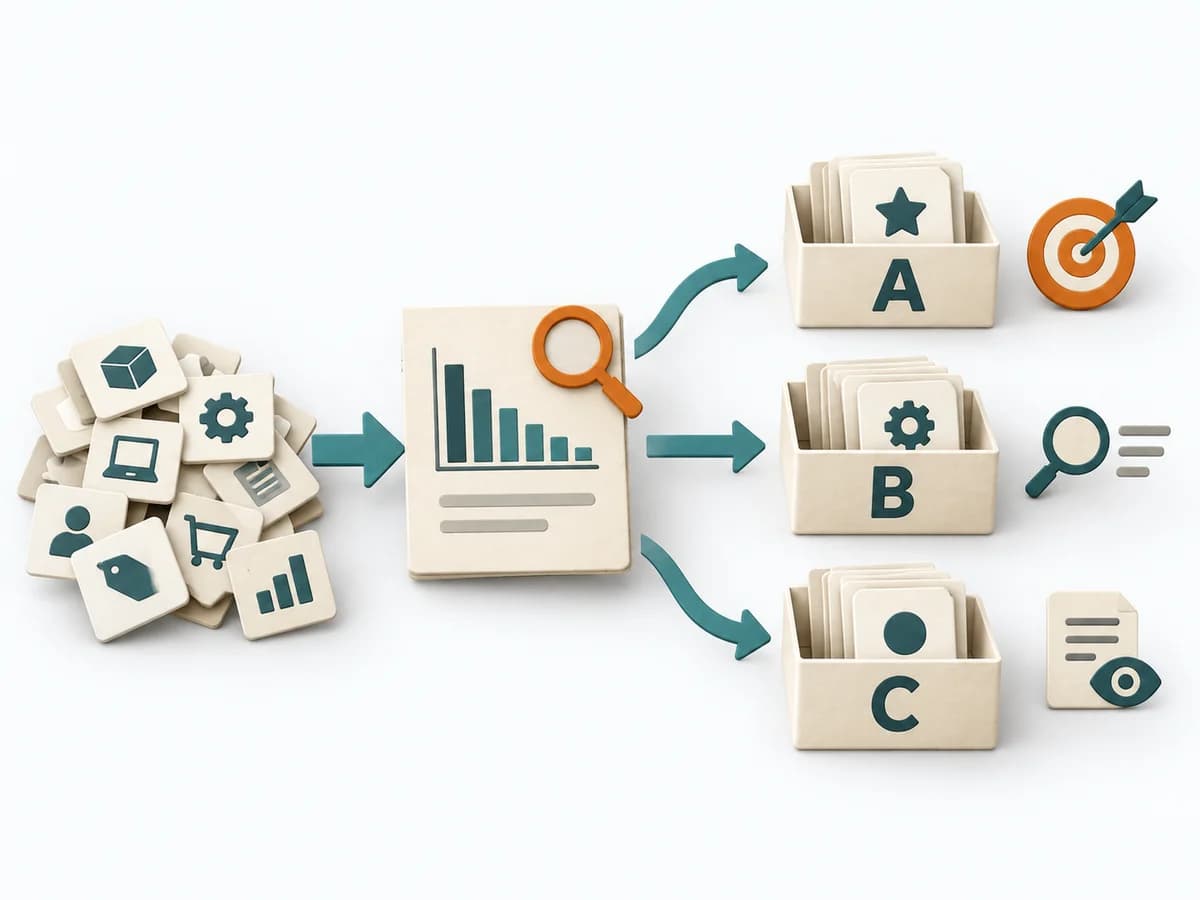 Operations ABC Analysis |  Operations After-Action Review | 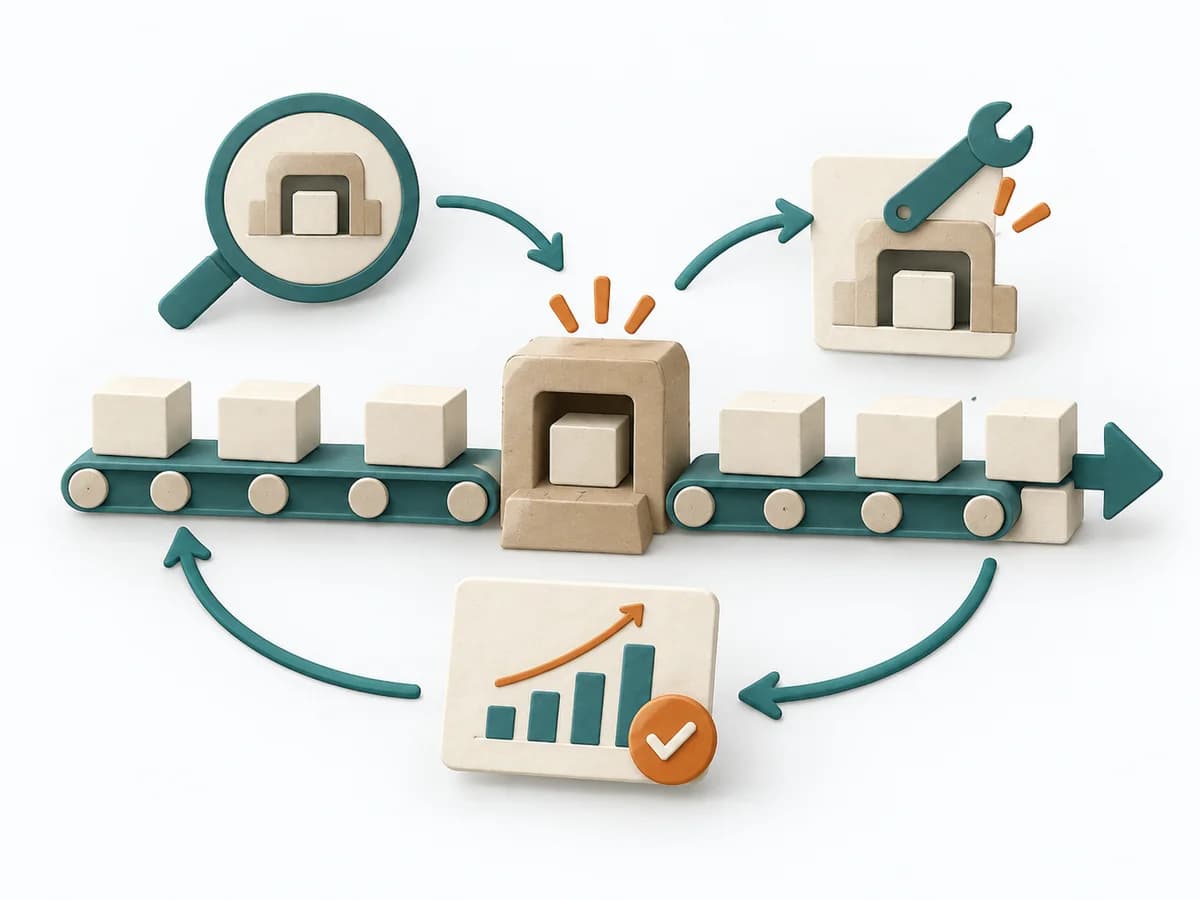 Operations Theory of Constraints |
|---|---|---|---|---|
Purposedifferent | With a stuck problem carrying many implicit assumptions, the method translates observations into open, workable questions. It sharpens the problem frame without pre-thinking the solution, turning frustration or fuzziness into a search space with clear direction. | With many similar objects of differing economic significance, the method prioritizes effort by effect. It separates what needs regular steering from what rarely needs attention. | After missions or project phases with unclear outcomes, the method makes visible what actually happened and what can be learned from it. It separates course, effect, and causes so experience turns into solid improvement. | For a system that does not get faster despite effort, the method directs attention to the bottleneck. It concentrates improvement on the point that actually limits throughput. |
Complexitydifferent | Low | Low | Low | High |
Timedifferent | 30–45 min | 30-60 min | 20-45 min | 2-4 h Analyse, laufend |
Participantsdifferent | 1-10 | 1-5 | 3-12 | 3-12 |
Formatdifferent | Workshop + async | Async | Workshop + async | Workshop + async |
Outputdifferent | HMW Questions, Challenge Framing, Idea Prompts | ABC Classification, Focus Rules, Control List | Lessons learned, Action items, Event summary | Constraint Map, Improvement Plan, Flow Metrics |
Tagsno overlap | FramingOpportunityIdeationQuestions | PrioritizationOperationsPortfolio | LearningOperationsImprovement | OperationsConstraintsFlowImprovement |