View methods side by side.
Choose up to four methods. Add them using the search and share the comparison by copying its link.
| Criterion |  Growth Hooked Model | 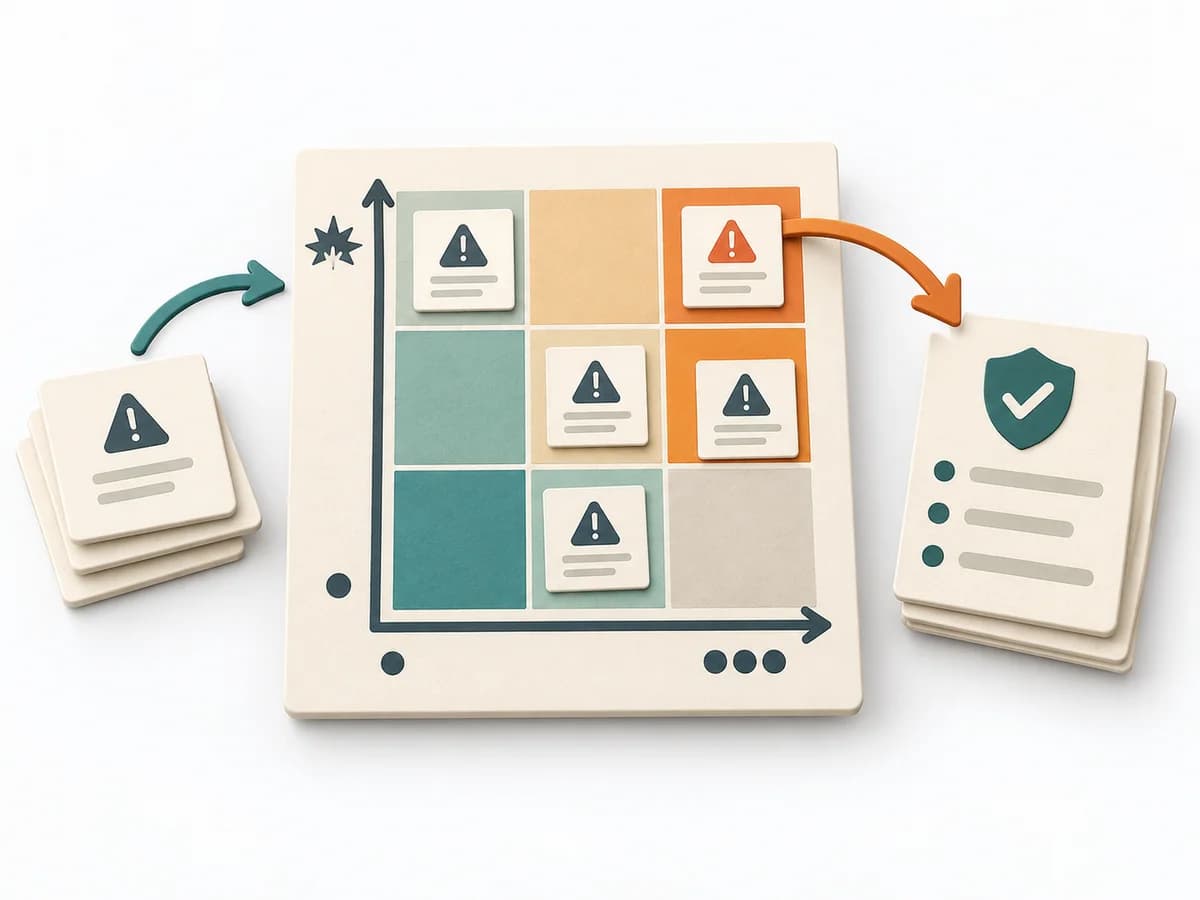 Decision Making Risk Matrix | 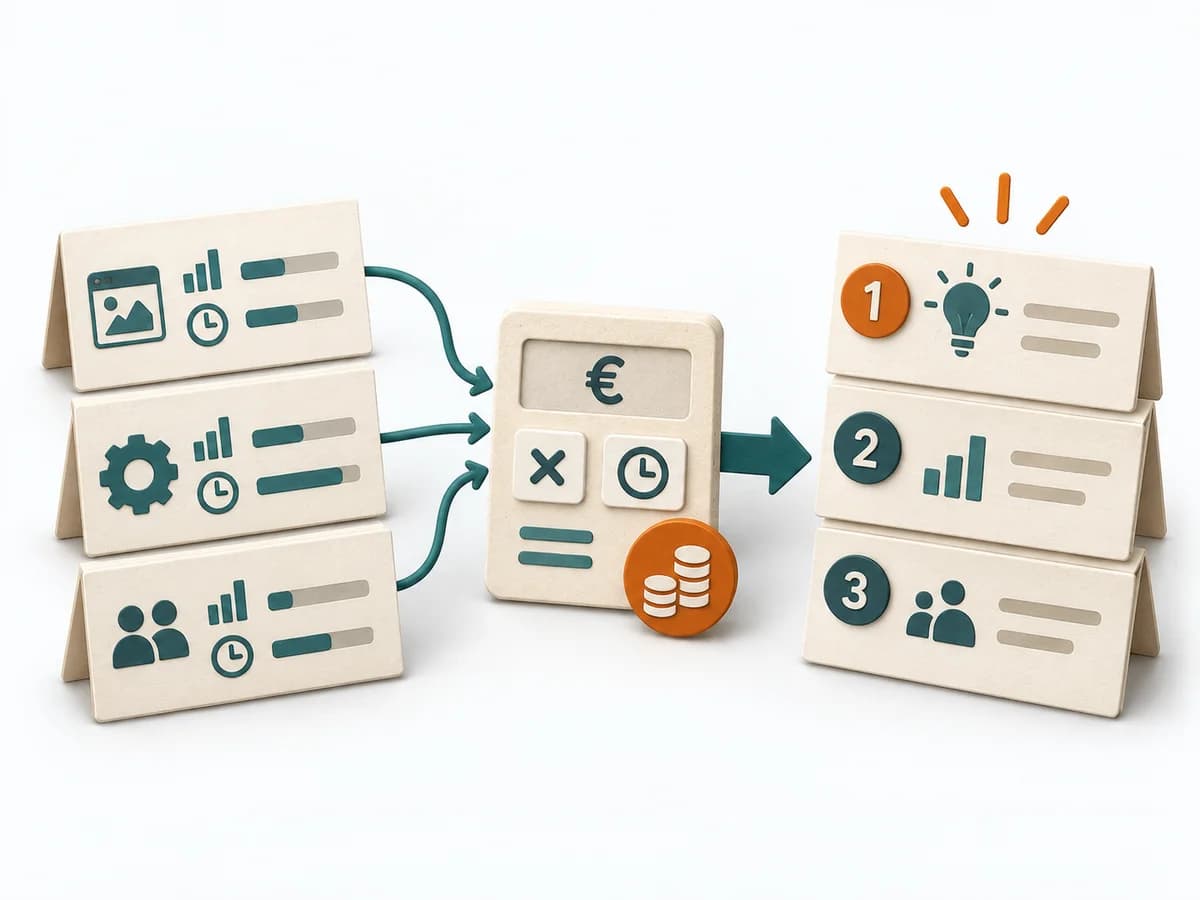 Delivery Cost of Delay | 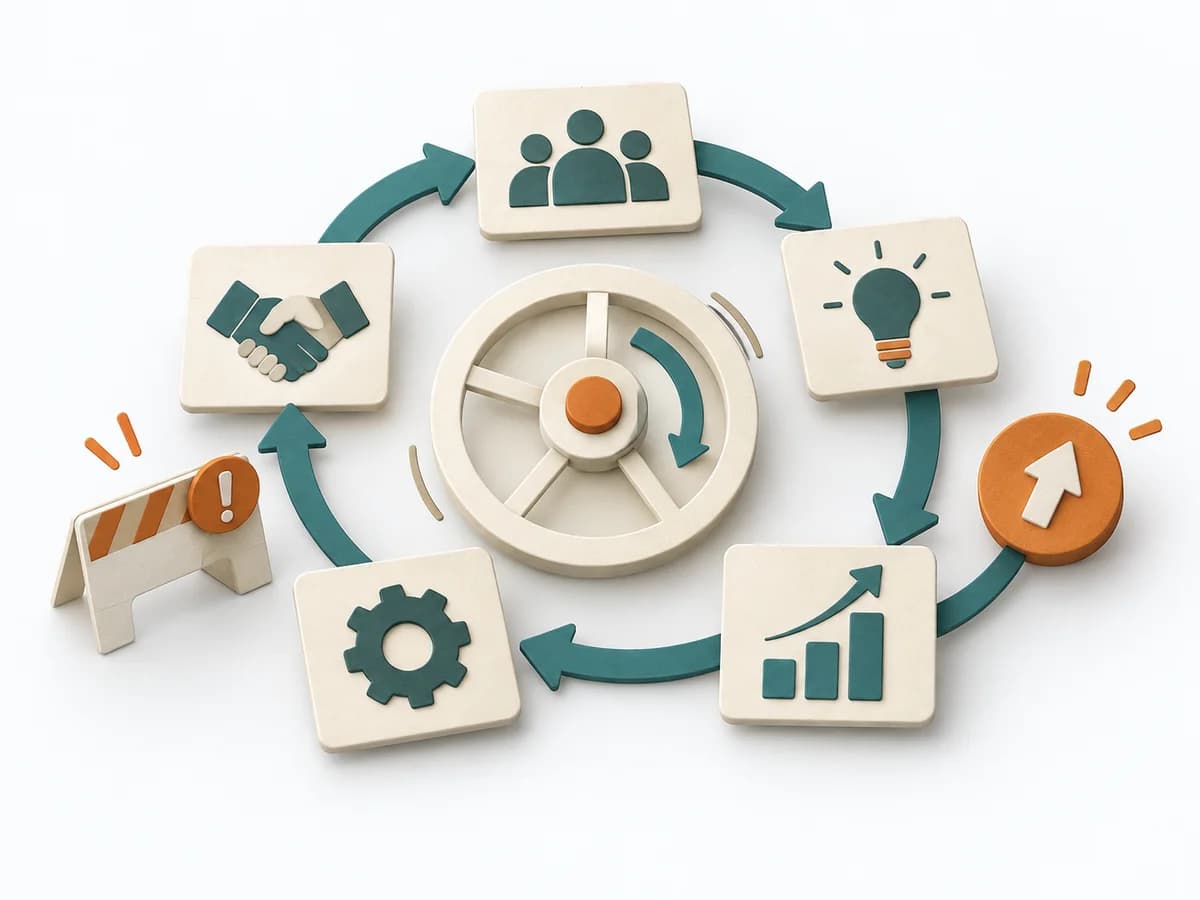 Growth Flywheel |
|---|---|---|---|---|
Purposedifferent | The Hooked Model helps clarify engagement loops, user behavior, and experiments. It makes repeat behavior measurable and captures the result as a hooked loop, trigger map, and reward design. | When a project faces many possible disruptions, it quickly becomes unclear which risks deserve attention first. It separates options, evaluation criteria, and open risks. The result is captured as a Risk Matrix and a Top Risk List. | Helps clarify scope, order, and delivery flow in concrete terms. It makes work, constraints, and sequence manageable. The result is captured as a Cost of Delay table and prioritization sequence. | Growth often breaks down where a reinforcing mechanism builds up too much friction. A Flywheel shows the cycle of value, repetition, and reinforcement meant to sustain growth. |
Complexitydifferent | Medium | Low | High | Medium |
Timedifferent | Multiple workshops over several weeks | 30-60 min | 90-180 min | 60-120 min |
Participantsdifferent | 2-8 | 3-10 | 3-8 | 3-8 |
Formatdifferent | Workshop + async | Workshop + async | Workshop | Workshop |
Outputdifferent | Hooked loop, Trigger map, Reward design, Ethics check | Risk Matrix, Top Risk List | CoD Table, Prioritization Sequence | Flywheel Map, Friction Points, Growth Levers, Experiment Backlog |
Tagsno overlap | GrowthBehaviorRetention | RiskDecisionPrioritizationAssessment | PrioritizationDeliveryEconomicsDecision | GrowthRetentionConversion |