View methods side by side.
Choose up to four methods. Add them using the search and share the comparison by copying its link.
| Criterion |  Growth Hooked Model | 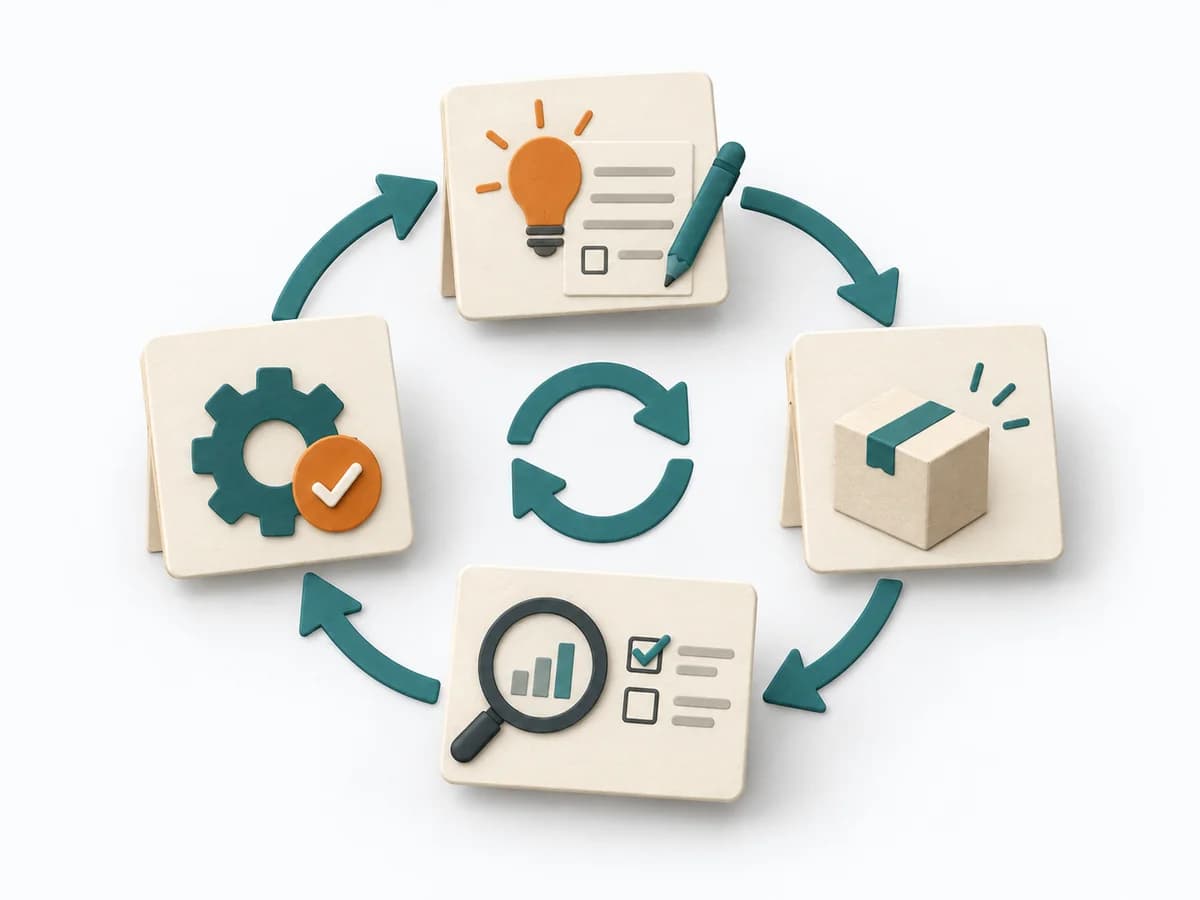 Operations PDCA Cycle | 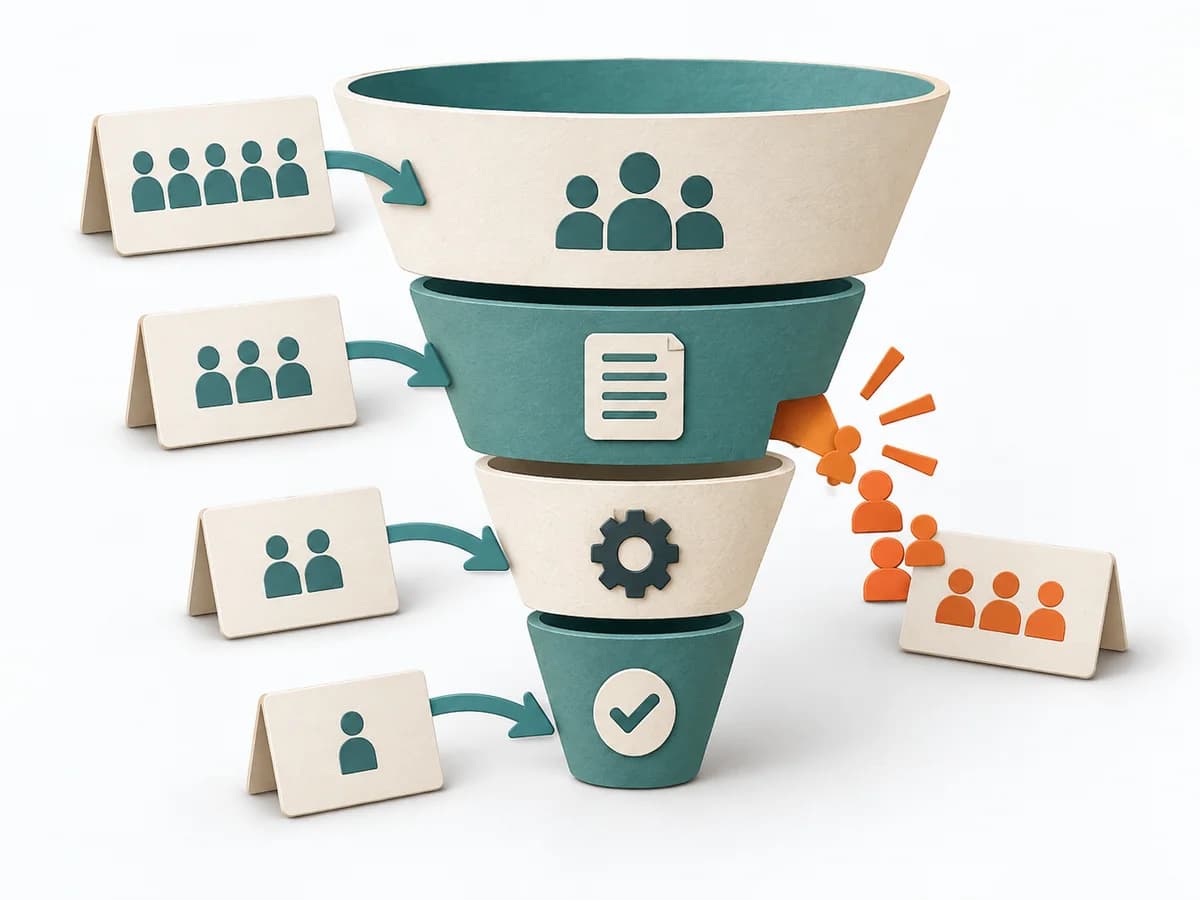 Growth Funnel Analysis | 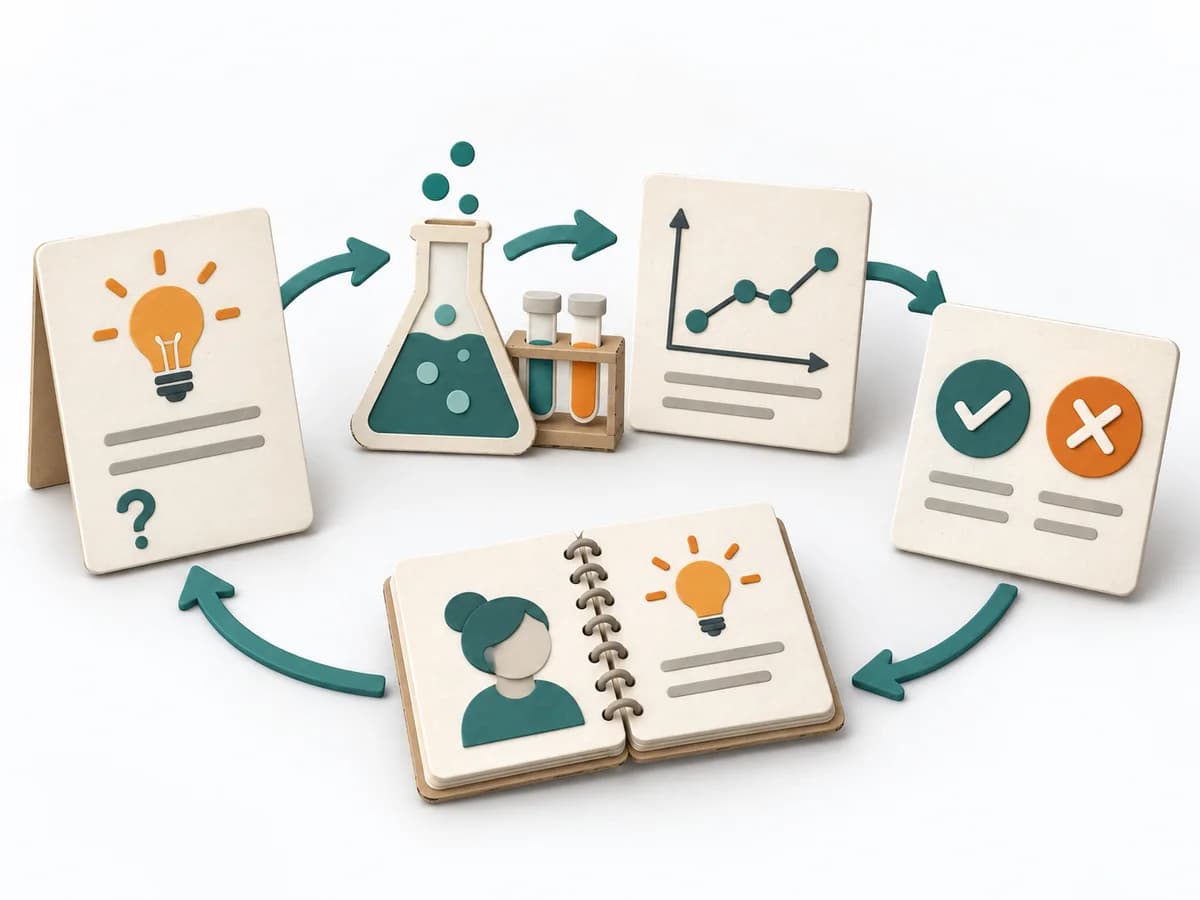 Growth Growth Experiment |
|---|---|---|---|---|
Purposedifferent | The Hooked Model helps clarify engagement loops, user behavior, and experiments. It makes repeat behavior measurable and captures the result as a hooked loop, trigger map, and reward design. | For an improvement that still has to prove itself in everyday work, the method runs it through small learning loops. It connects planning, checking, and standardization into a repeatable learning mode. | When many visitors or users drop off along the way, the reason behind the number often stays hidden. Funnel Analysis exposes these transitions and makes visible exactly where the path collapses. | When growth ideas surface quickly, the temptation to build immediately instead of learning is high. A Growth Experiment frames an assumption so target group, lever, and measurement are clear before the first deployment. |
Complexitydifferent | Medium | Low | Medium | Medium |
Timedifferent | Multiple workshops over several weeks | 1 h bis mehrere Wochen | 1-3 h | 1-2 Wochen |
Participantsdifferent | 2-8 | 1-8 | 1-5 | 1-6 |
Formatdifferent | Workshop + async | Workshop + async | Async | Workshop + async |
Outputdifferent | Hooked loop, Trigger map, Reward design, Ethics check | PDCA Log, Experiment Plan, Learning Outcome, Standard Change | Funnel report, Drop-off analysis, Optimization hypotheses | Experiment card, Result summary, Next bet |
Tagsno overlap | GrowthBehaviorRetention | Continuous improvementLeanExperiments | AnalyticsConversionGrowth | MarketingGrowthExperimentsLearning |