View methods side by side.
Choose up to four methods. Add them using the search and share the comparison by copying its link.
| Criterion |  Growth Hooked Model | 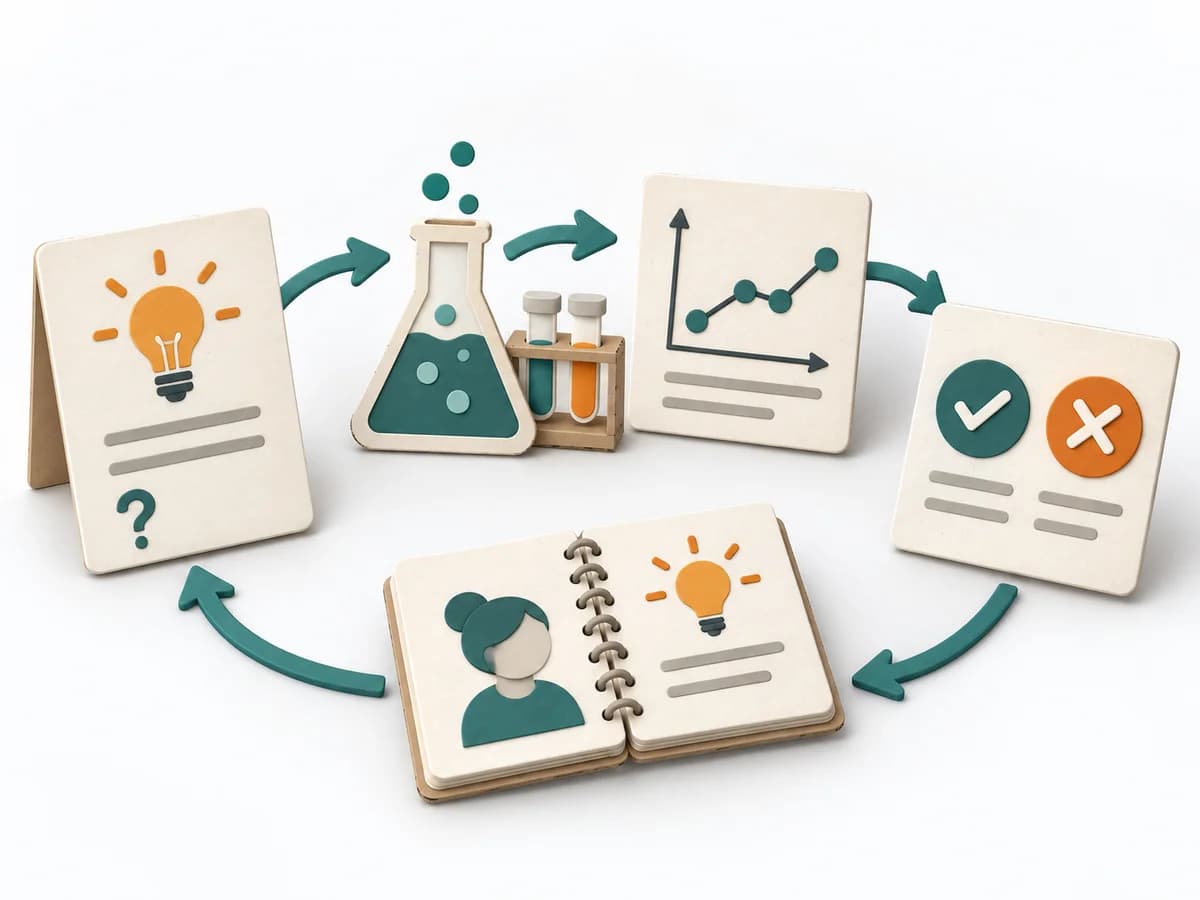 Growth Growth Experiment |  Agile Start Stop Continue | 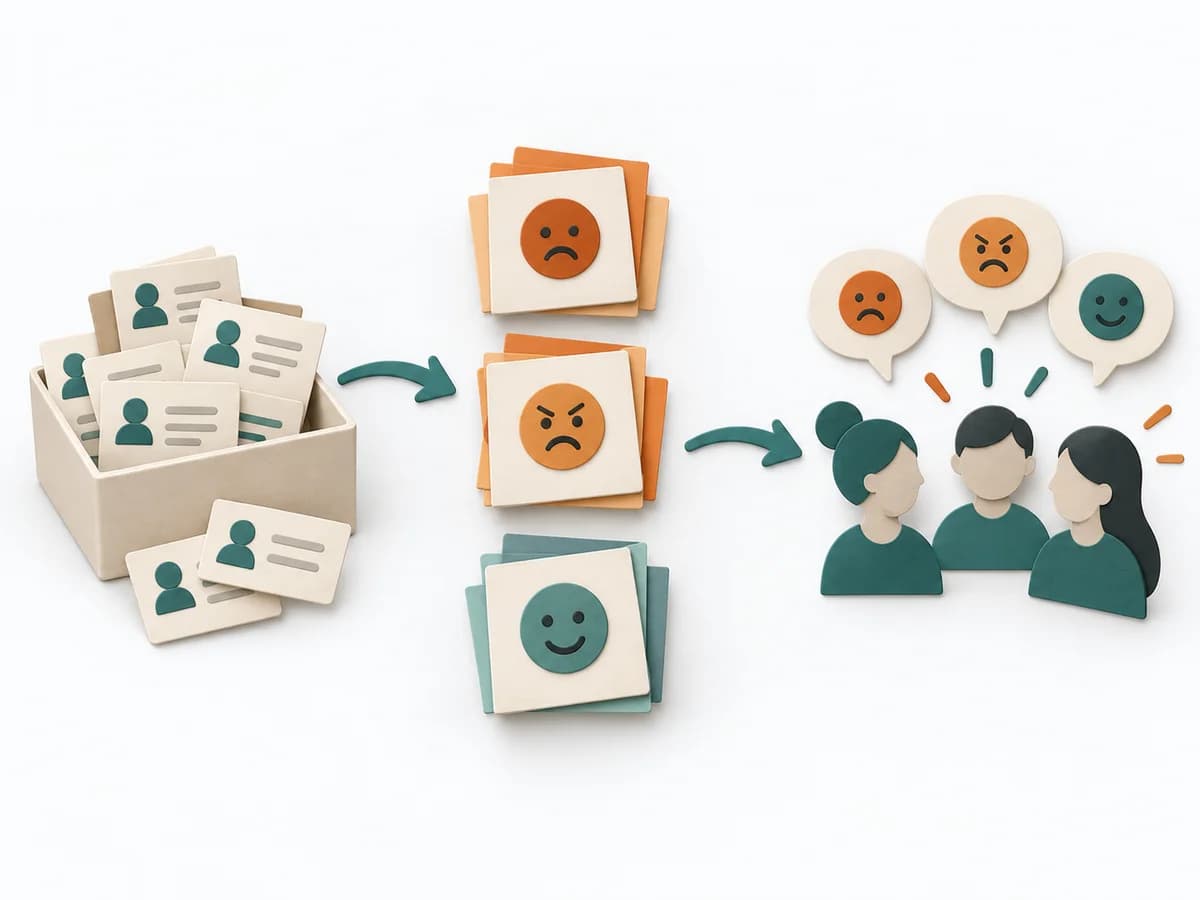 Agile Mad Sad Glad |
|---|---|---|---|---|
Purposedifferent | The Hooked Model helps clarify engagement loops, user behavior, and experiments. It makes repeat behavior measurable and captures the result as a hooked loop, trigger map, and reward design. | When growth ideas surface quickly, the temptation to build immediately instead of learning is high. A Growth Experiment frames an assumption so target group, lever, and measurement are clear before the first deployment. | When a team wants to deliberately adjust its working behavior, it makes habits visible and assessable. It focuses on concrete changes instead of diffuse mood. | When a team's or workshop's mood needs to become readable, it structures emotional signals with little setup. It makes strain, relief, and sources of energy tangible. |
Complexitydifferent | Medium | Medium | Low | Low |
Timedifferent | Multiple workshops over several weeks | 1-2 Wochen | 30-60 min | 30-60 min |
Participantsdifferent | 2-8 | 1-6 | 3-12 | 3-10 |
Formatdifferent | Workshop + async | Workshop + async | Workshop | Workshop |
Outputdifferent | Hooked loop, Trigger map, Reward design, Ethics check | Experiment card, Result summary, Next bet | Start Stop Continue Board, Improvement Actions | Emotion Board, Themes, Action Items |
Tagsno overlap | GrowthBehaviorRetention | MarketingGrowthExperimentsLearning | RetrospectiveImprovementTeamReflection | RetrospectiveTeamReflection |