View methods side by side.
Choose up to four methods. Add them using the search and share the comparison by copying its link.
| Criterion | 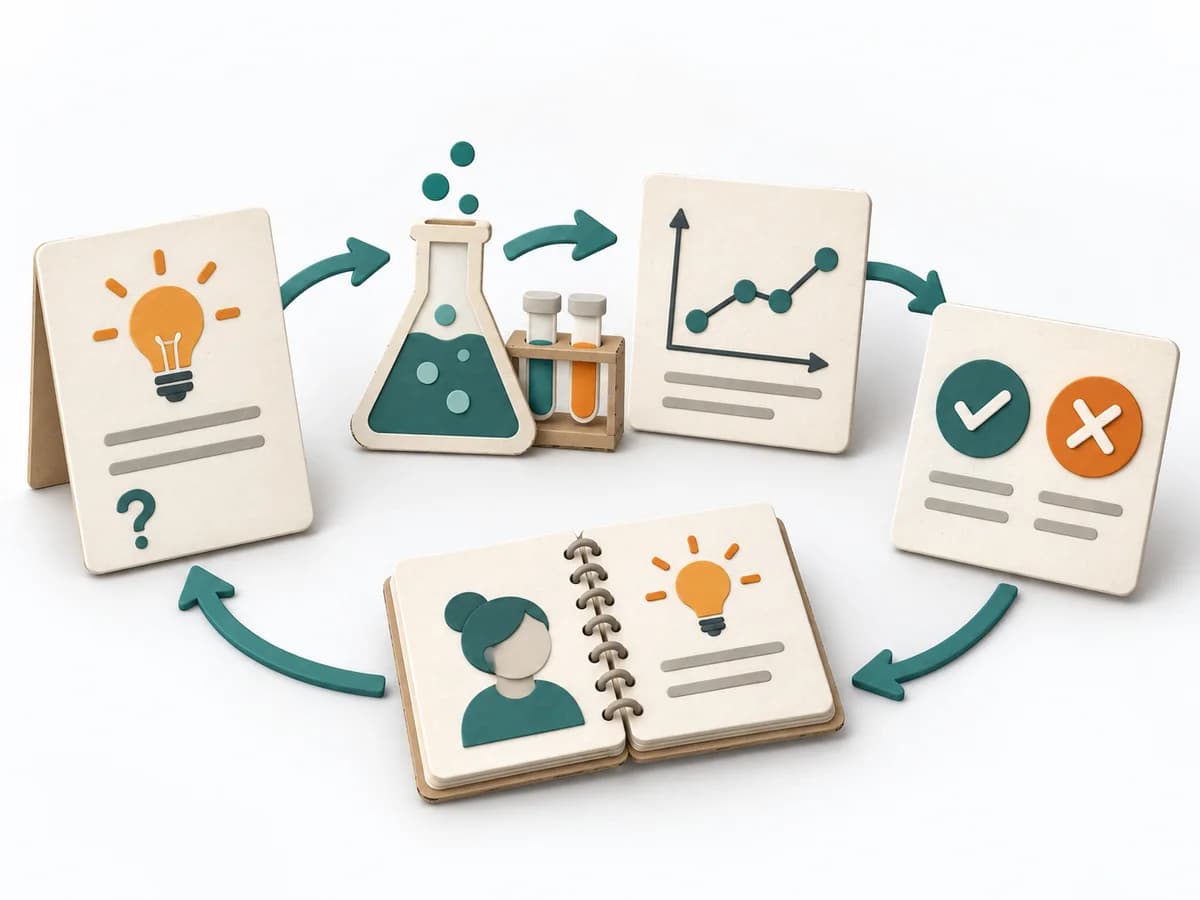 Growth Growth Experiment |  Facilitation Stakeholder Mapping |  Decision Making Force Field Analysis |  Facilitation Alignment Mapping |
|---|---|---|---|---|
Purposedifferent | When growth ideas surface quickly, the temptation to build immediately instead of learning is high. A Growth Experiment frames an assumption so target group, lever, and measurement are clear before the first deployment. | When an initiative depends on many people, interests, and power dynamics, Stakeholder Mapping systematically orders the environment. It shows who influences, who is affected, and where relationship management or safeguarding matters first. | In change initiatives, supporting and restraining forces sit at the table at the same time. Force Field Analysis makes these tensions explicit and shows where change can be pushed forward by strengthening or relieving. | When several people work toward one goal but hold different mental maps, Alignment Mapping makes the discrepancies visible. It arranges goals, assumptions, and priorities so shared direction becomes verifiable. |
Complexitydifferent | Medium | Low | Low | Medium |
Timedifferent | 1-2 Wochen | 60–90 min | 45-90 min | 1-2 h |
Participantsdifferent | 1-6 | 2-8 | 3-12 | 4-12 |
Formatdifferent | Workshop + async | Workshop + async | Workshop | Workshop |
Outputdifferent | Experiment card, Result summary, Next bet | Stakeholder Map, Engagement Plan, Risk Notes | Force Field Map, Change Levers, Risk Notes | Alignment Map, Open Issues, Decision Questions |
Tagsno overlap | MarketingGrowthExperimentsLearning | StakeholdersAlignmentFacilitationChange | ChangeDecisionStrategy | AlignmentStakeholdersStrategyFacilitation |