View methods side by side.
Choose up to four methods. Add them using the search and share the comparison by copying its link.
| Criterion | 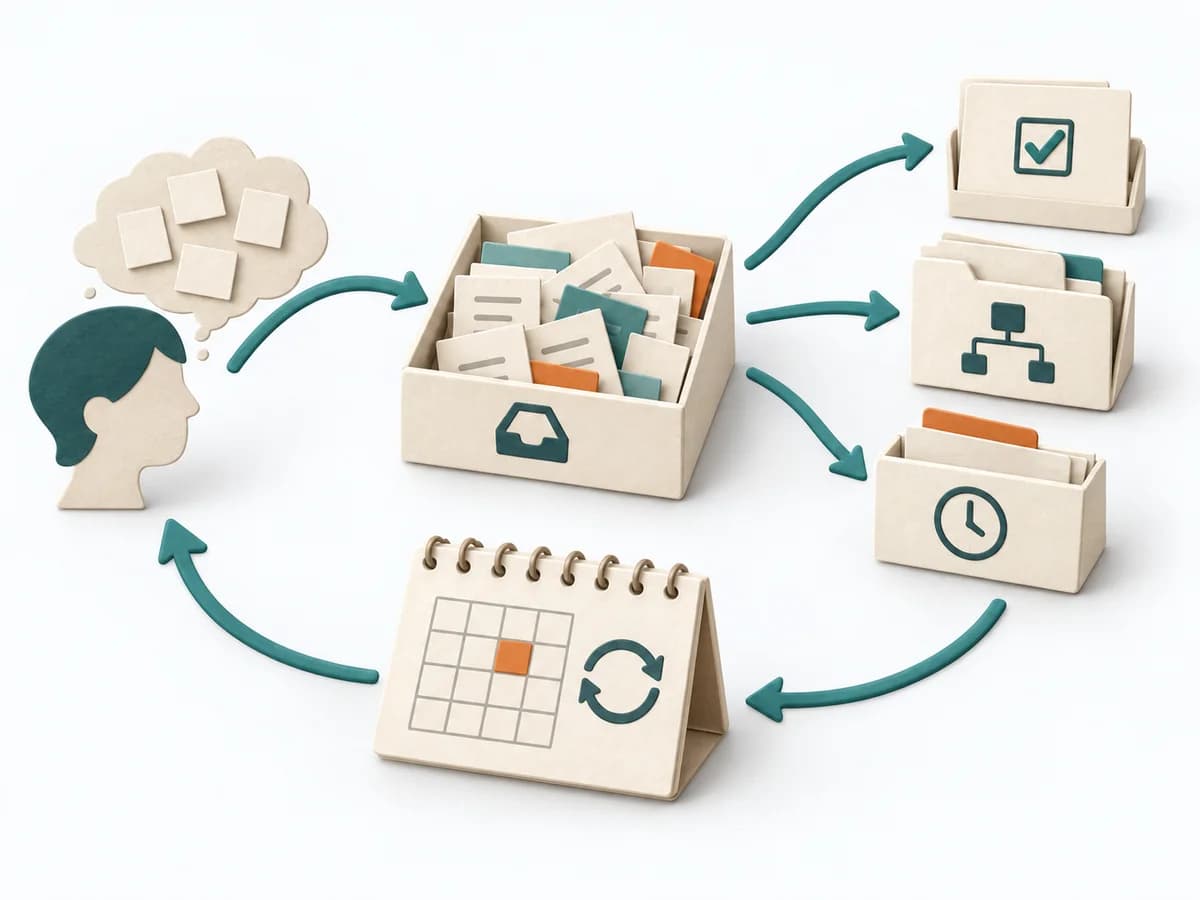 Operations Getting Things Done |  Architecture ATAM (Architecture Tradeoff Analysis Method) | 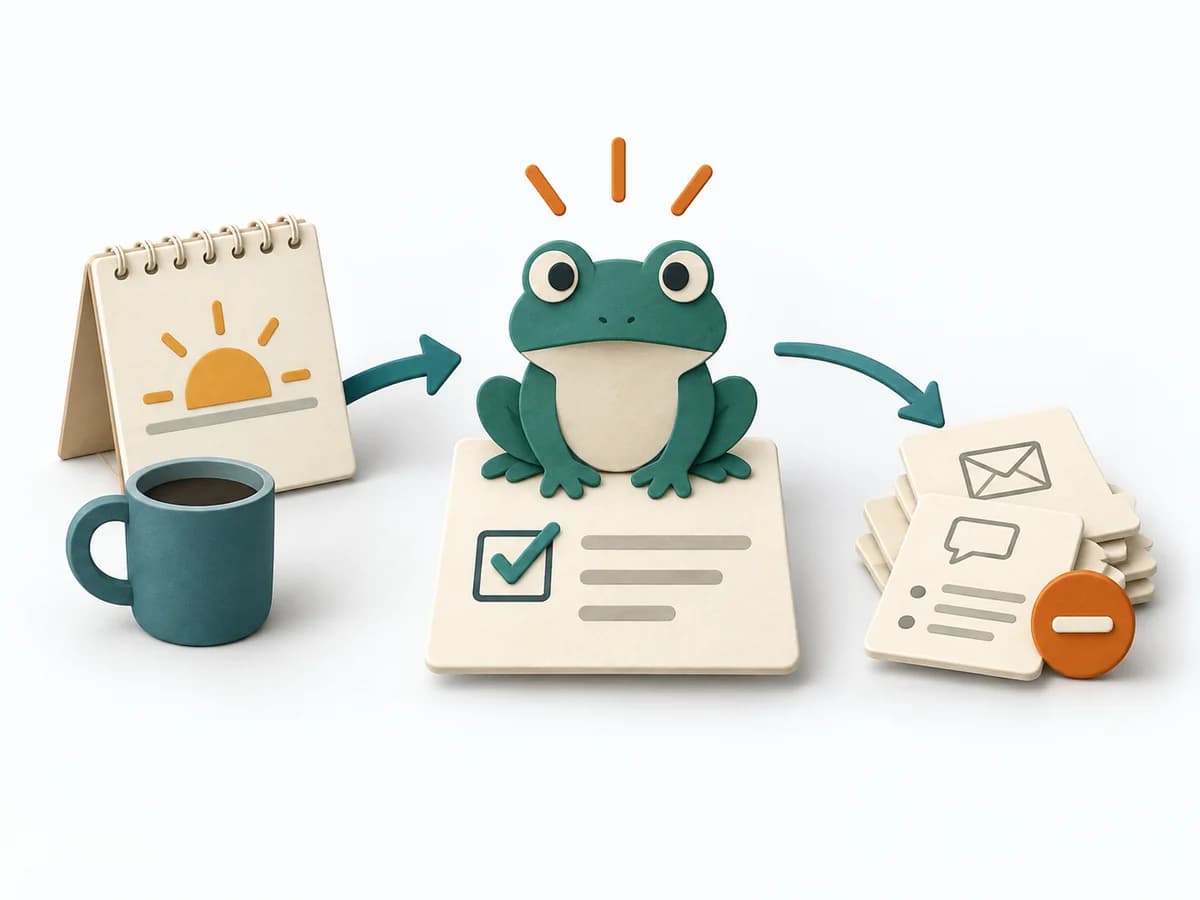 Operations Eat the Frog | 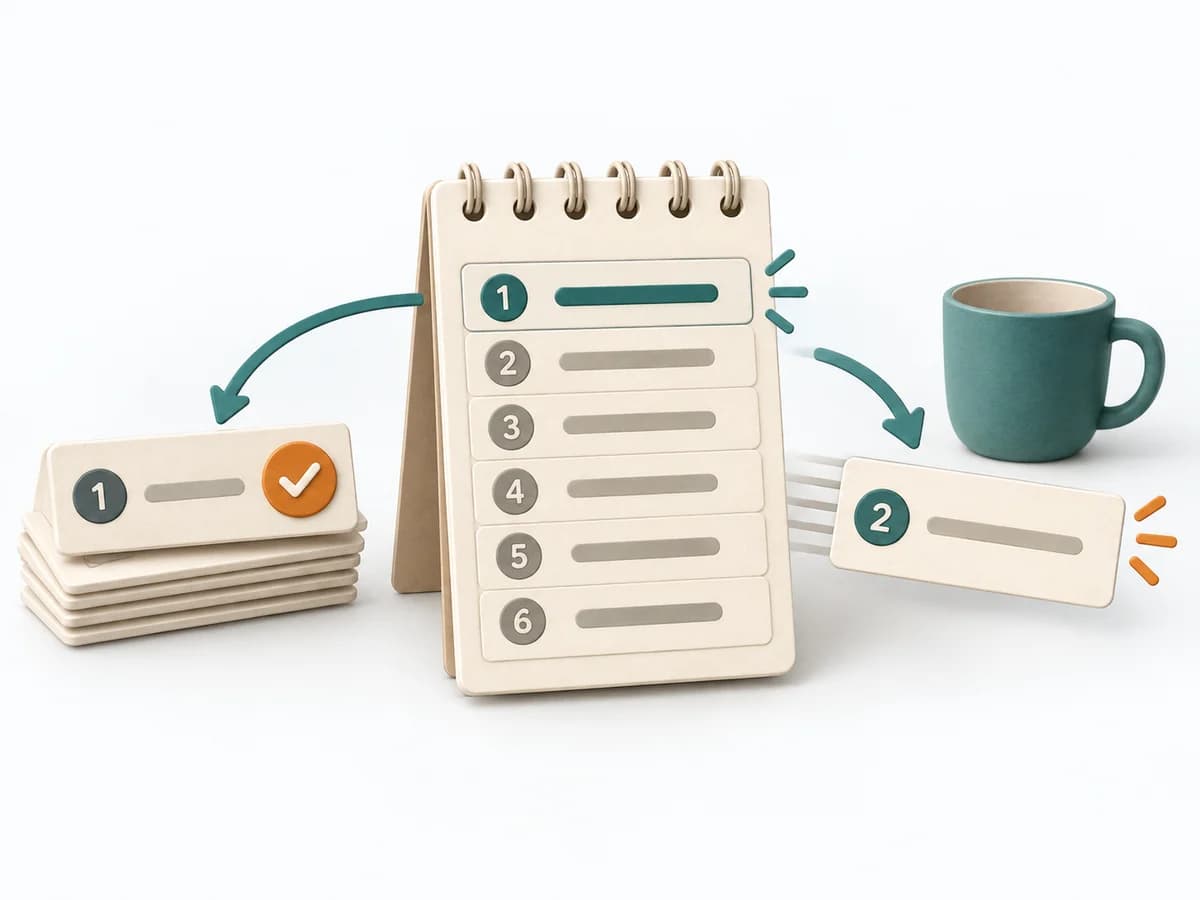 Operations Ivy Lee Method |
|---|---|---|---|---|
Purposedifferent | With many open commitments and ideas in daily life, a reliable external storage system emerges. The method relieves the mind so priority and context don't have to compete in memory. | ATAM helps teams weigh architecture decisions when quality goals compete. The team considers business goals, stakeholder expectations, and technical decisions together. The evaluation shows which risks need further investigation. | The method protects energy and attention for the task that creates the largest progress and is often postponed. | With a restless workday full of too many open items, the method creates radical simplicity. It directs attention to a short sequence instead of a broad, still-open field. |
Complexitydifferent | Medium | High | Low | Low |
Timedifferent | 1-2 h Setup, laufend | Several meetings plus preparation and analysis; total effort depends on scope | 15-90 min daily | 5-10 min daily |
Participantsdifferent | 1 | Evaluation team, architects, and relevant stakeholders | 1 | 1 |
Formatdifferent | Async | Workshop + async | Async | Async |
Outputdifferent | Action Lists, Project List, Review Routine | Prioritized quality scenarios in a utility tree, Architecture risks with reasoning and assumptions, Sensitivity and trade-off points, Findings report with open investigations | Priority Task, Completion Note, Daily Focus | Daily Priority List, Completion Notes |
Tagsno overlap | ProductivityPlanningTasksExecution | ArchitectureQualityRiskTradeoffsStakeholders | PrioritizationProductivityFocusExecution | PrioritizationProductivityExecution |