View methods side by side.
Choose up to four methods. Add them using the search and share the comparison by copying its link.
| Criterion |  Business Strategy GAP Analysis | 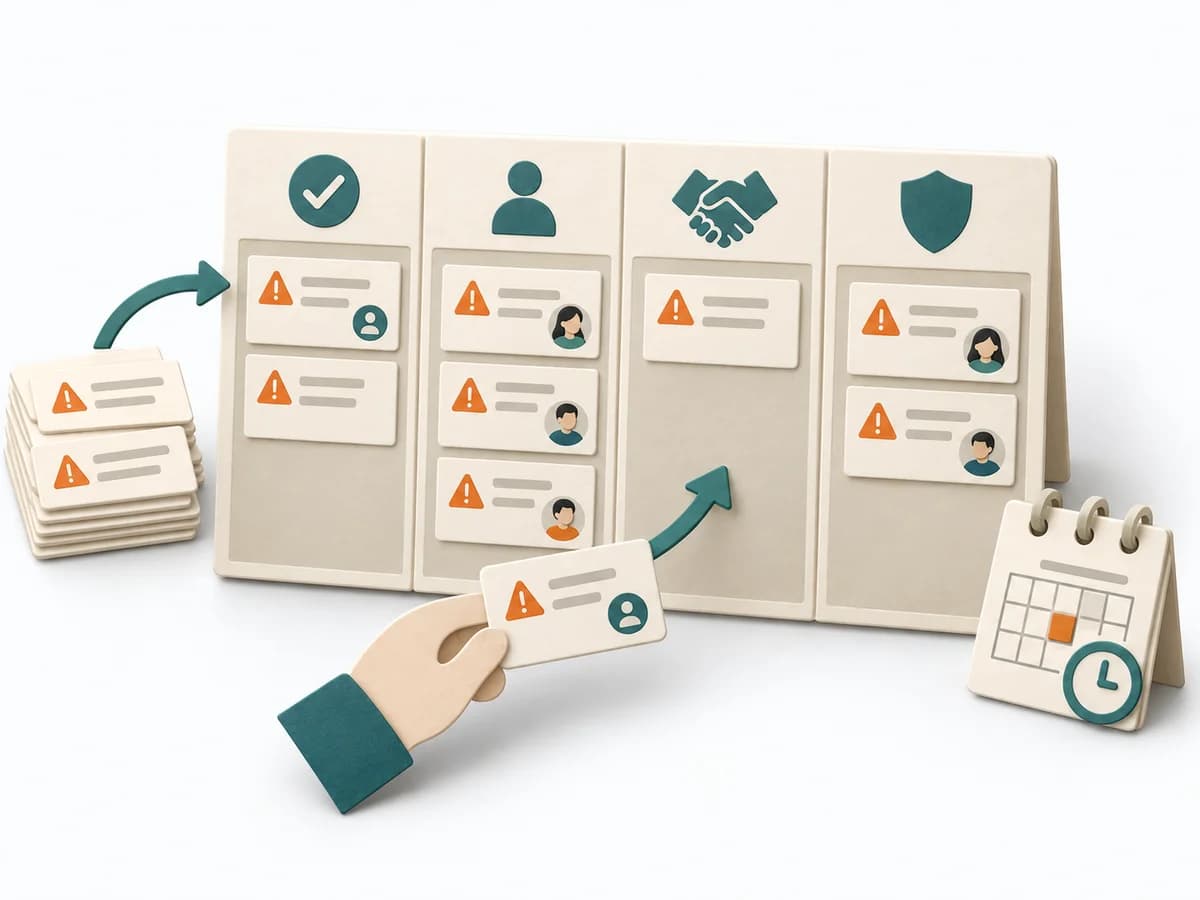 Agile ROAM Board | 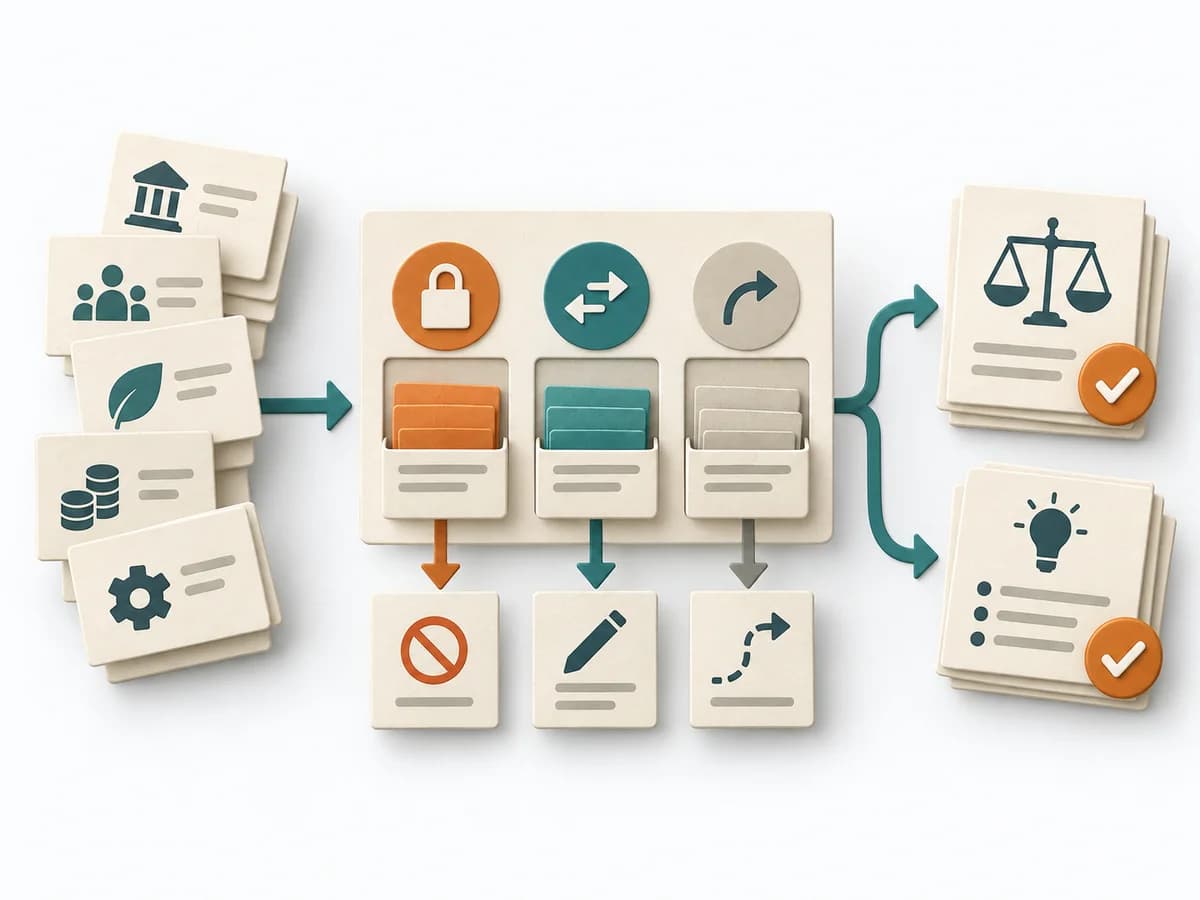 Decision Making Constraint Analysis |  Facilitation Alignment Mapping |
|---|---|---|---|---|
Purposedifferent | GAP Analysis compares the current state with a target picture and makes the distance manageable. It becomes useful when, ahead of new initiatives, it must become clear which capabilities, processes, or resources are missing. | When work needs to move between different states or columns, it makes that movement and its handoffs legible. It sorts work by value, risk, and delivery ability. The result is captured as a ROAM Board and an Owner List. | When an initiative stalls, the limit often lies not in the idea but in hard or soft boundary conditions. Constraint Analysis separates these limits and shows which of them can actually be shaped. | When several people work toward one goal but hold different mental maps, Alignment Mapping makes the discrepancies visible. It arranges goals, assumptions, and priorities so shared direction becomes verifiable. |
Complexitydifferent | Medium | Low | Low | Medium |
Timedifferent | 1-3 h | 20-40 min initial, dann laufend | 30-90 min | 1-2 h |
Participantsdifferent | 2-8 | 3-15 | 2-8 | 4-12 |
Formatdifferent | Workshop + async | Workshop + async | Workshop + async | Workshop |
Outputdifferent | Gap Matrix, Action Plan, Risk Notes | ROAM Board, Owner List | Constraint List, Hard/Soft Classification, Option Impact Notes, Decision Boundaries | Alignment Map, Open Issues, Decision Questions |
Tagsno overlap | StrategyAnalysisPlanning | RiskAgileTrackingAlignment | ConstraintsDecisionPlanningOptions | AlignmentStakeholdersStrategyFacilitation |