View methods side by side.
Choose up to four methods. Add them using the search and share the comparison by copying its link.
| Criterion |  Business Strategy GAP Analysis | 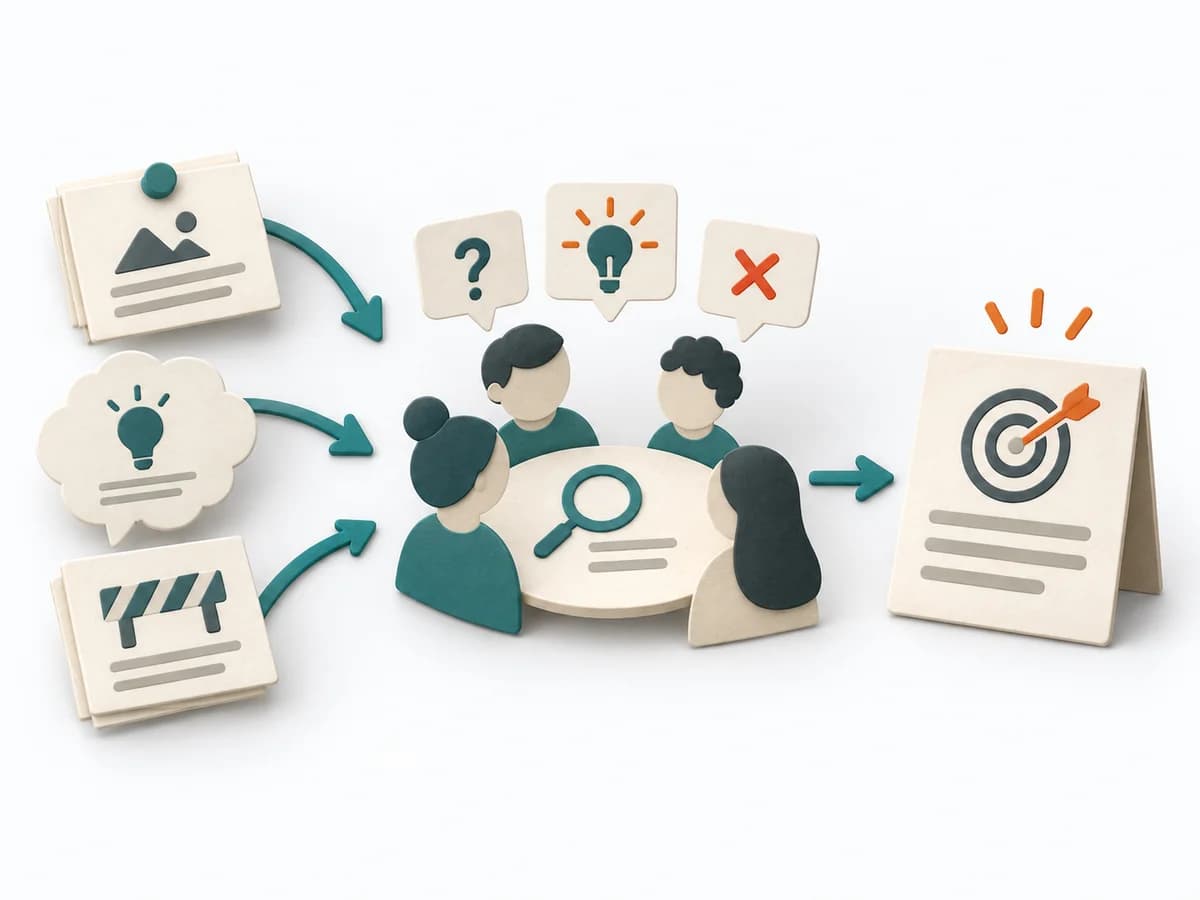 Facilitation Problem Framing Workshop | 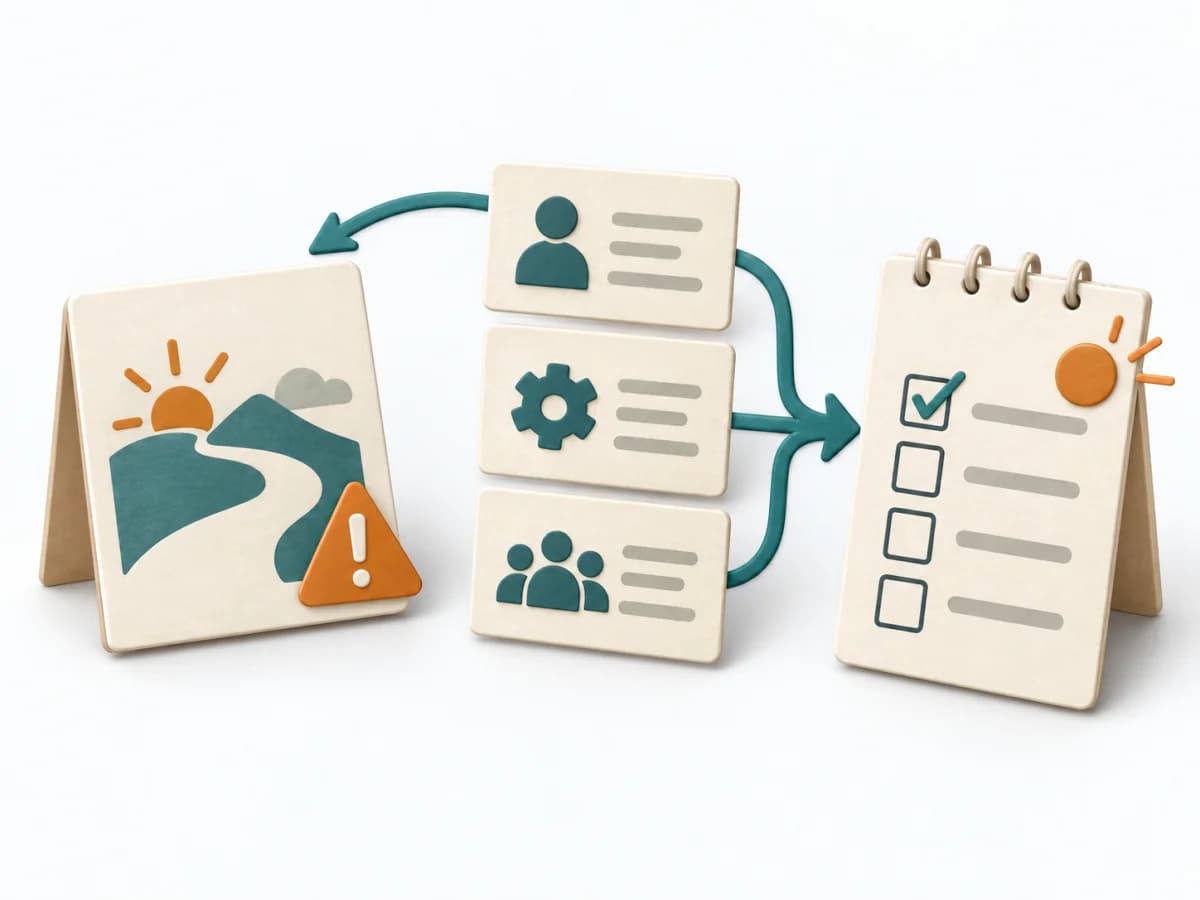 Decision Making Pre-Mortem |  Facilitation Alignment Mapping |
|---|---|---|---|---|
Purposedifferent | GAP Analysis compares the current state with a target picture and makes the distance manageable. It becomes useful when, ahead of new initiatives, it must become clear which capabilities, processes, or resources are missing. | When a team works on symptoms but the real question stays fuzzy, a Problem Framing Workshop sharpens the view of the right problem. It separates observation, interpretation, and target picture from each other. | In early initiatives with many uncertainties, planning quickly turns too optimistic. A pre-mortem makes the expected failure visible in advance and sharpens the view of causes, gaps, and countermeasures. | When several people work toward one goal but hold different mental maps, Alignment Mapping makes the discrepancies visible. It arranges goals, assumptions, and priorities so shared direction becomes verifiable. |
Complexitydifferent | Medium | Low | Low | Medium |
Timedifferent | 1-3 h | 60-120 min | 20–45 min | 1-2 h |
Participantsdifferent | 2-8 | 4-10 | Small cross-functional group | 4-12 |
Formatdifferent | Workshop + async | Workshop | Workshop | Workshop |
Outputdifferent | Gap Matrix, Action Plan, Risk Notes | Problem Statement, Scope Boundaries, Assumption List, Next Analysis Questions | Risk list, Mitigation plan, Assumption log | Alignment Map, Open Issues, Decision Questions |
Tagsno overlap | StrategyAnalysisPlanning | FacilitationAlignmentDiscovery | RiskDecisionFailurePlanning | AlignmentStakeholdersStrategyFacilitation |