View methods side by side.
Choose up to four methods. Add them using the search and share the comparison by copying its link.
| Criterion |  Business Strategy GAP Analysis | 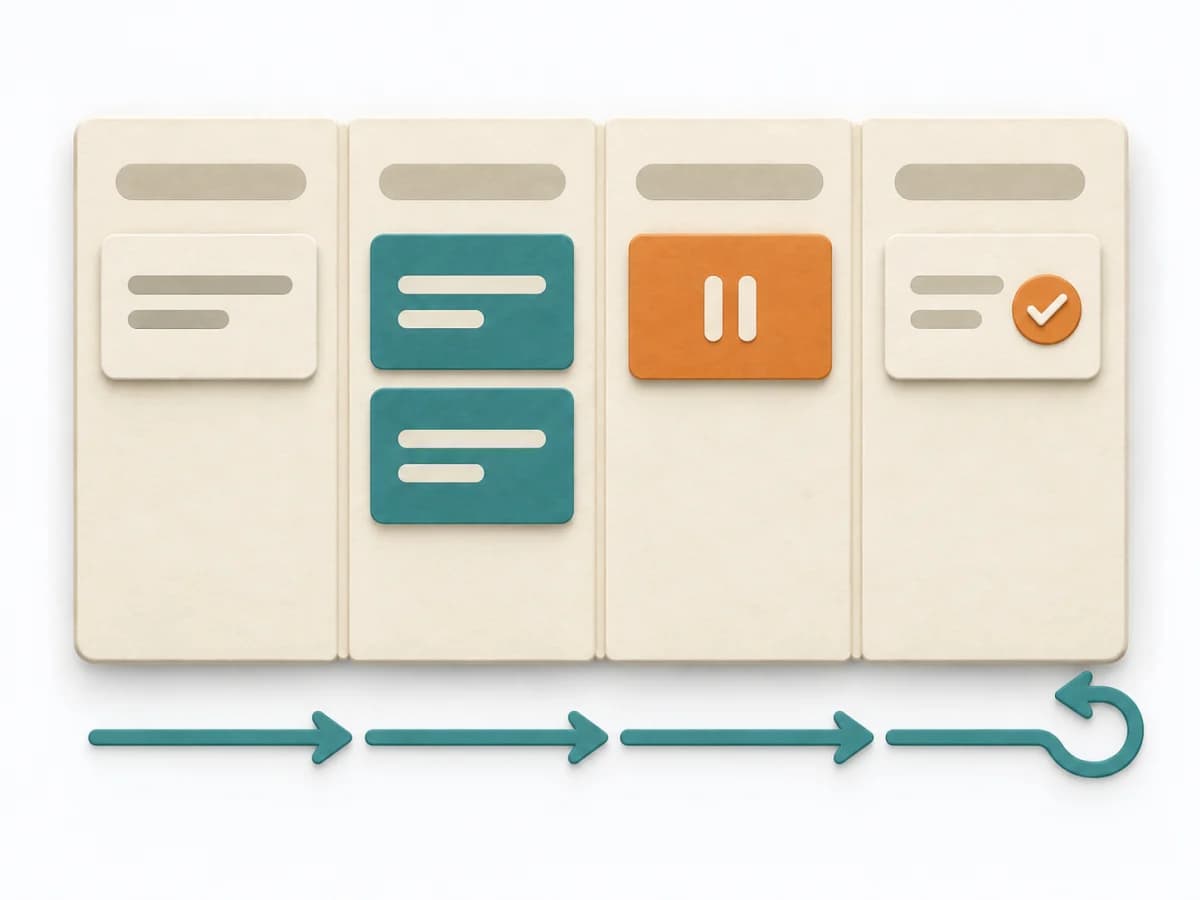 Engineering Kanban |  Decision Making Constraint Analysis | 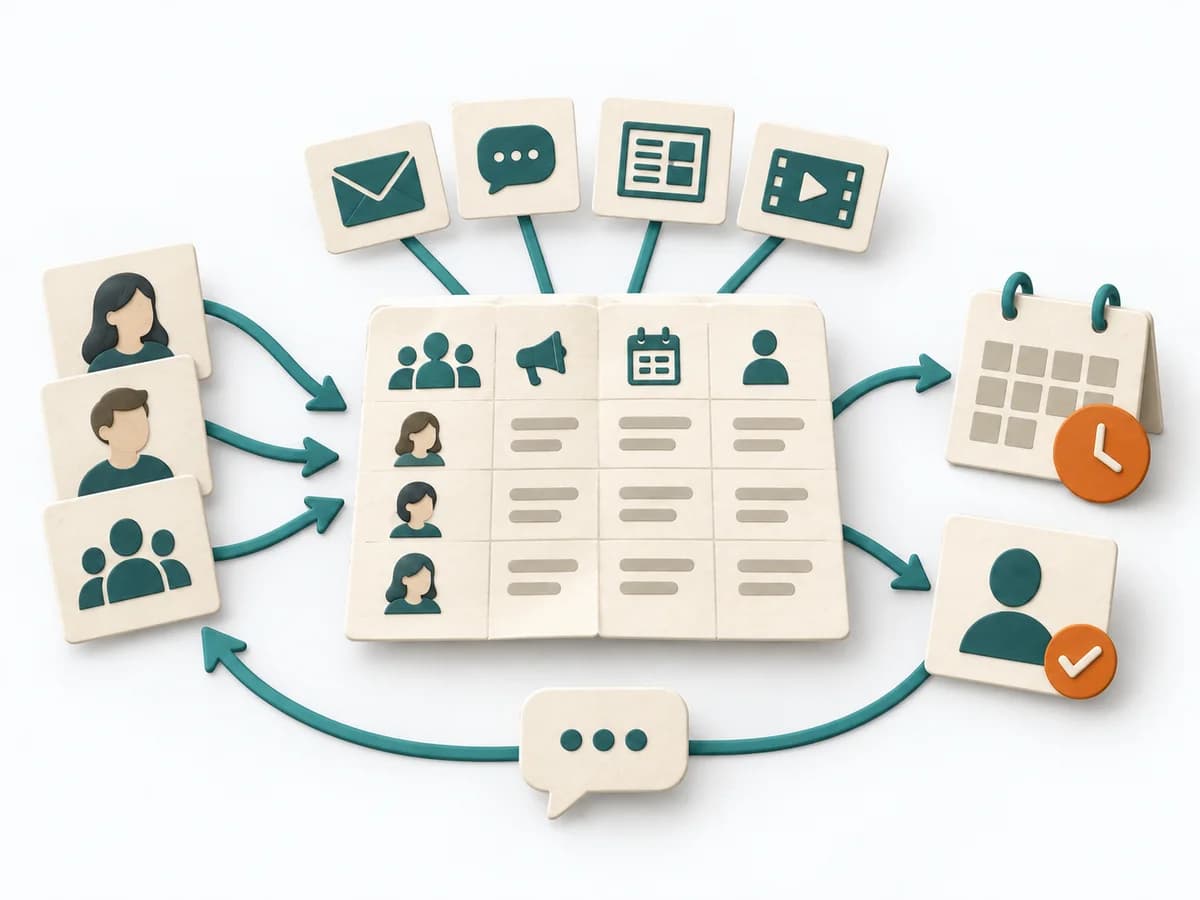 Delivery Communication Plan |
|---|---|---|---|---|
Purposedifferent | GAP Analysis compares the current state with a target picture and makes the distance manageable. It becomes useful when, ahead of new initiatives, it must become clear which capabilities, processes, or resources are missing. | When work sits in too many parallel streams, throughput suffers and no one sees the bottlenecks. Kanban makes the flow of work visible and limits overload so a system becomes calmer and more predictable. | When an initiative stalls, the limit often lies not in the idea but in hard or soft boundary conditions. Constraint Analysis separates these limits and shows which of them can actually be shaped. | When many people need to be informed in parallel and messages would otherwise arrive unevenly or too late, a Communication Plan orders communication reliably. Channels, audiences, and cadences interlock so important information doesn't get lost. |
Complexitydifferent | Medium | Medium | Low | Low |
Timedifferent | 1-3 h | Ongoing | 30-90 min | 45-90 min |
Participantsdifferent | 2-8 | 2-12 | 2-8 | 2-6 |
Formatsame | Workshop + async | Workshop + async | Workshop + async | Workshop + async |
Outputdifferent | Gap Matrix, Action Plan, Risk Notes | Kanban board, WIP policies, Flow metrics | Constraint List, Hard/Soft Classification, Option Impact Notes, Decision Boundaries | Communication Plan, Channel Matrix, Message Cadence |
Tagsno overlap | StrategyAnalysisPlanning | FlowVisual managementDelivery | ConstraintsDecisionPlanningOptions | CommunicationStakeholdersDeliveryPlanning |