View methods side by side.
Choose up to four methods. Add them using the search and share the comparison by copying its link.
| Criterion |  Business Strategy GAP Analysis |  Operations Failure Mode and Effects Analysis | 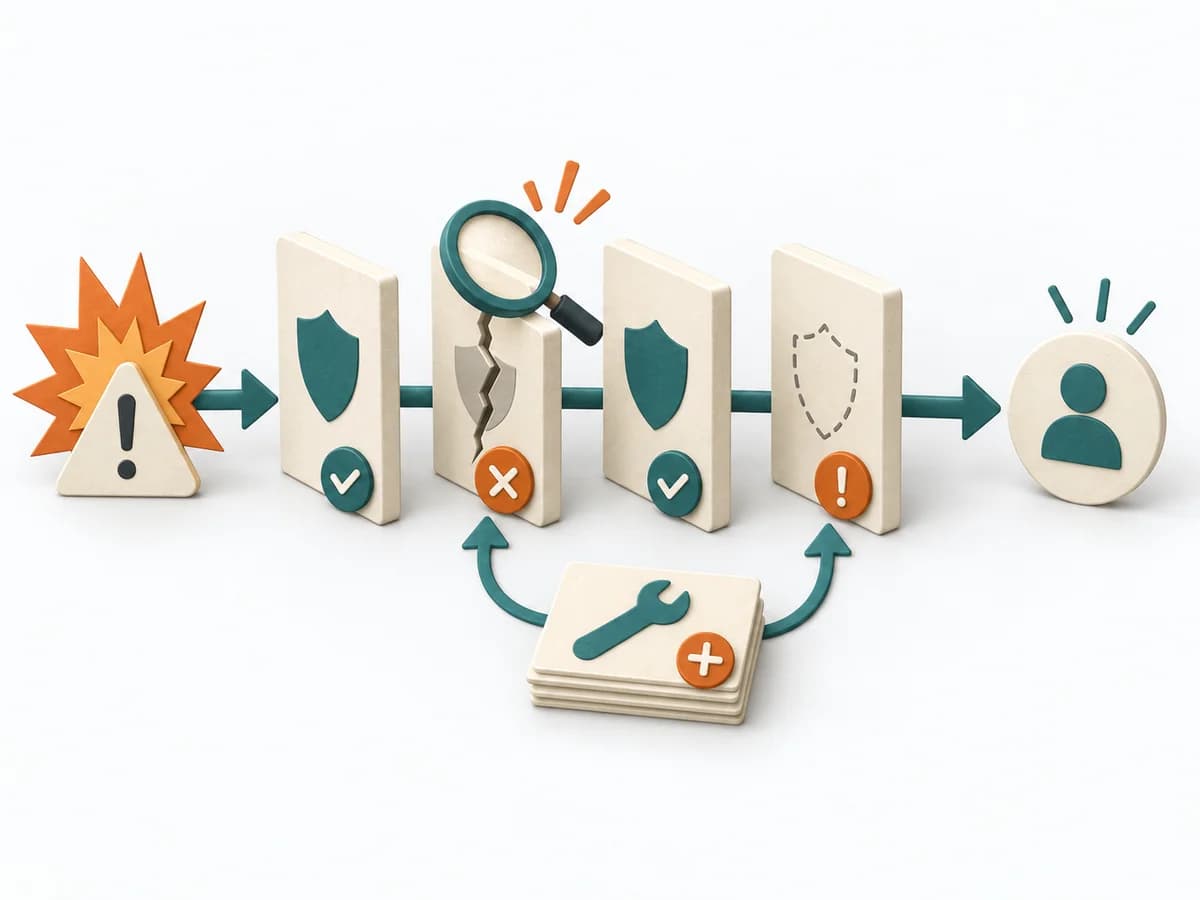 Operations Barrier Analysis | 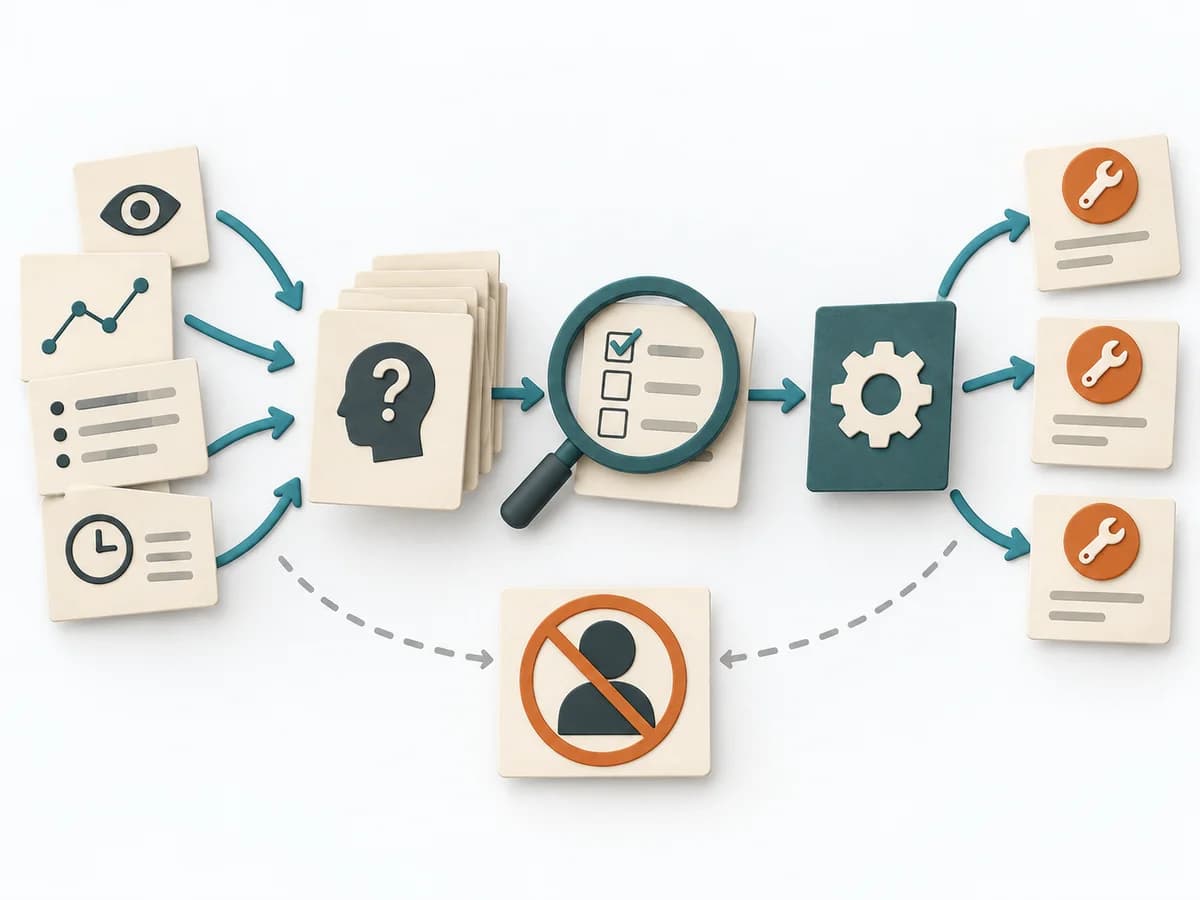 Operations Root Cause Analysis |
|---|---|---|---|---|
Purposedifferent | GAP Analysis compares the current state with a target picture and makes the distance manageable. It becomes useful when, ahead of new initiatives, it must become clear which capabilities, processes, or resources are missing. | For a process, product, or service with noticeable failure risks, the method assesses possible failure modes in advance. It directs attention to combinations of occurrence, effect, and detectability. | For a risk that can only be managed through multiple layers of protection, the method examines the effectiveness of each barrier. It shows where safeguards are missing, too weak, or fail under real conditions. | When a problem keeps recurring and the cause stays unclear, the method exposes the underlying mechanism. It separates symptom, guess, and robust explanation from one another. |
Complexitydifferent | Medium | High | Medium | Medium |
Timedifferent | 1-3 h | 2-6 h | 2-4 h | 1-4 h |
Participantsdifferent | 2-8 | 3-10 | 2-6 | 3-8 |
Formatdifferent | Workshop + async | Workshop | Workshop + async | Workshop + async |
Outputdifferent | Gap Matrix, Action Plan, Risk Notes | FMEA Table, Risk Priority, Mitigation Actions | Barrier Inventory, Failure Analysis per Barrier, Action Backlog | Problem Statement, Cause Hypotheses, Confirmed Causes, Action Plan |
Tagsno overlap | StrategyAnalysisPlanning | RiskQualityOperationsRoot cause | Root causeSafetyIncident | Root causeProblem solvingQualityIncident |