View methods side by side.
Choose up to four methods. Add them using the search and share the comparison by copying its link.
| Criterion |  Business Strategy GAP Analysis | 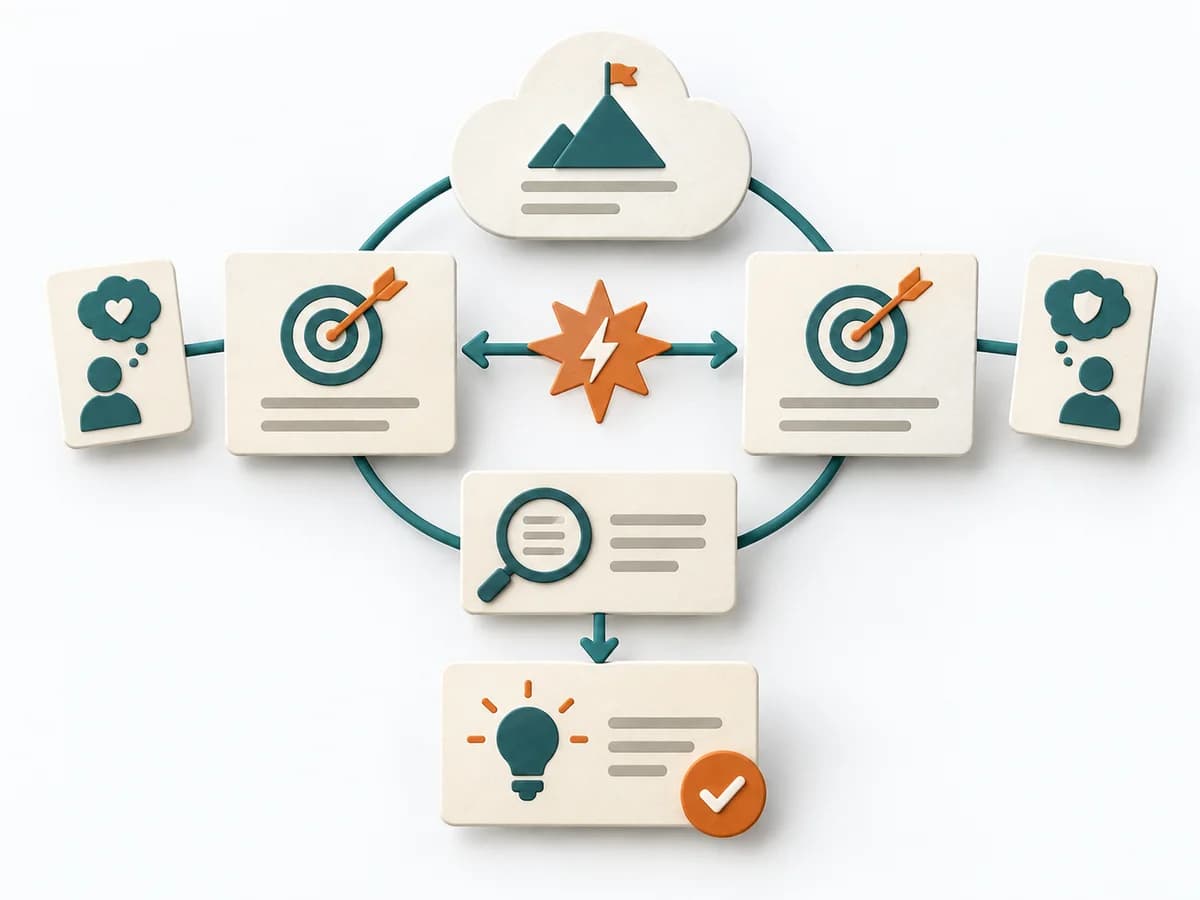 Systems Thinking Evaporating Cloud | 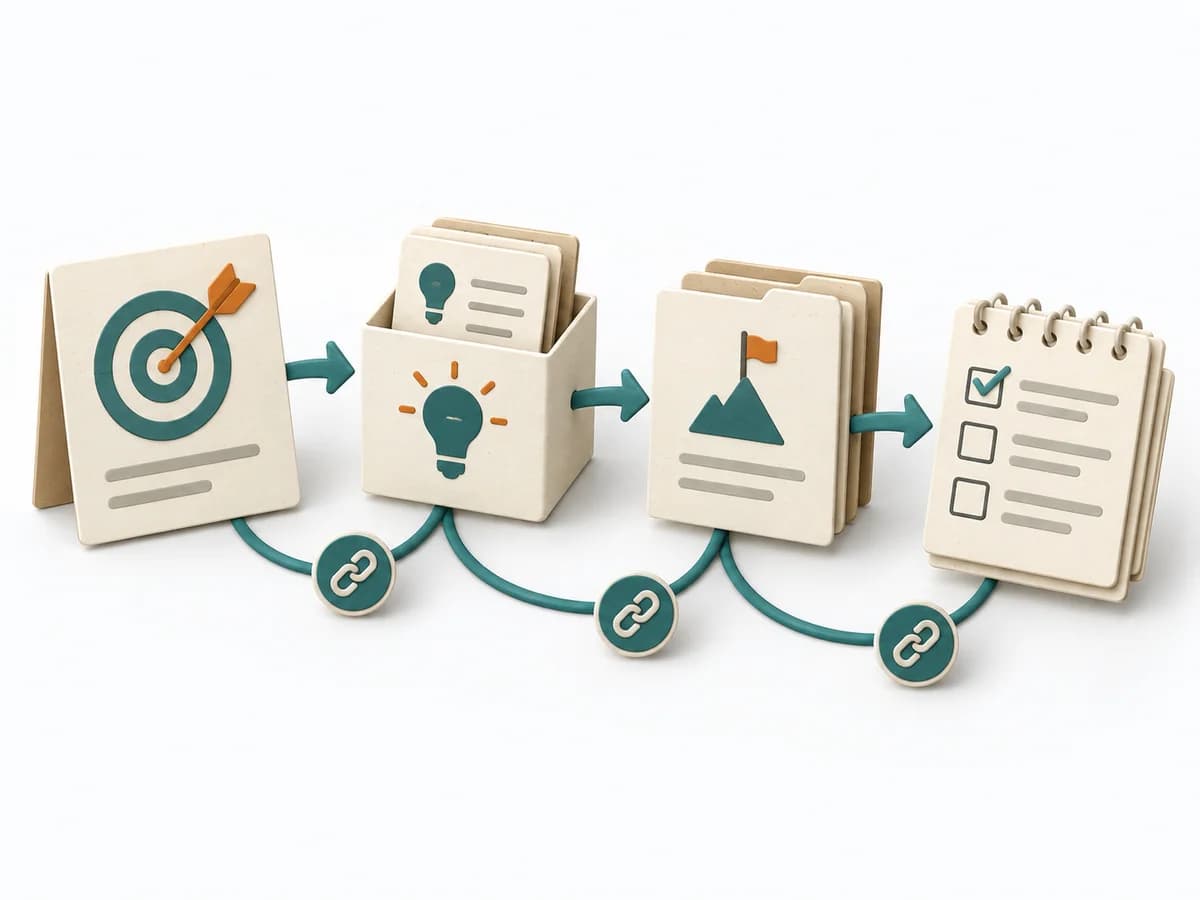 Product Strategy GIST Planning | 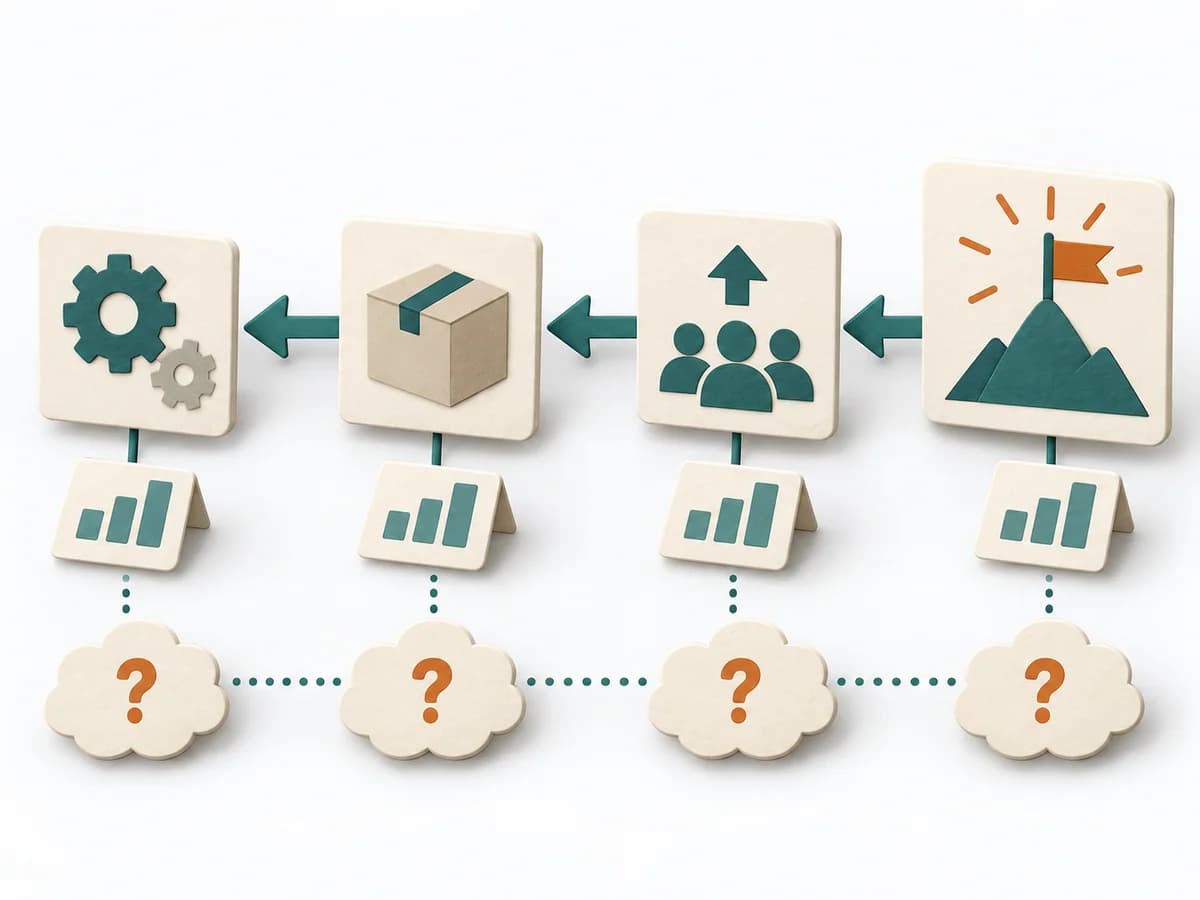 Systems Thinking Theory of Change |
|---|---|---|---|---|
Purposedifferent | GAP Analysis compares the current state with a target picture and makes the distance manageable. It becomes useful when, ahead of new initiatives, it must become clear which capabilities, processes, or resources are missing. | The method makes visible why two seemingly incompatible demands arise and which assumption must be tested to resolve the conflict. | GIST Planning helps clarify target groups, value, goals, and priorities. It links customer value, product logic, and decision priorities, and captures the result as goals, an idea bank, and a step-project list. | Theory of Change translates a desired impact into a traceable chain of change. It makes assumptions, intermediate goals, and measurement points visible before a program is rolled out at scale. |
Complexitydifferent | Medium | Medium | Medium | High |
Timedifferent | 1-3 h | 60-120 min | Wochen bis Monate je Goal | 2-6 h |
Participantsdifferent | 2-8 | 2-8 | 3-10 | 4-12 |
Formatdifferent | Workshop + async | Workshop | Workshop + async | Workshop |
Outputdifferent | Gap Matrix, Action Plan, Risk Notes | Conflict Cloud, Assumption List, Breakthrough Ideas, Next Experiments | Goals, Idea bank, Step-project list, Tasks, Learning reports | Theory of Change Map, Assumptions, Outcome Measures |
Tagsno overlap | StrategyAnalysisPlanning | Theory of ConstraintsAssumptionsSystems thinking | RoadmapOutcomesPlanningExperiments | ImpactOutcomesSystems thinkingStrategy |