View methods side by side.
Choose up to four methods. Add them using the search and share the comparison by copying its link.
| Criterion |  DevOps Game Day | 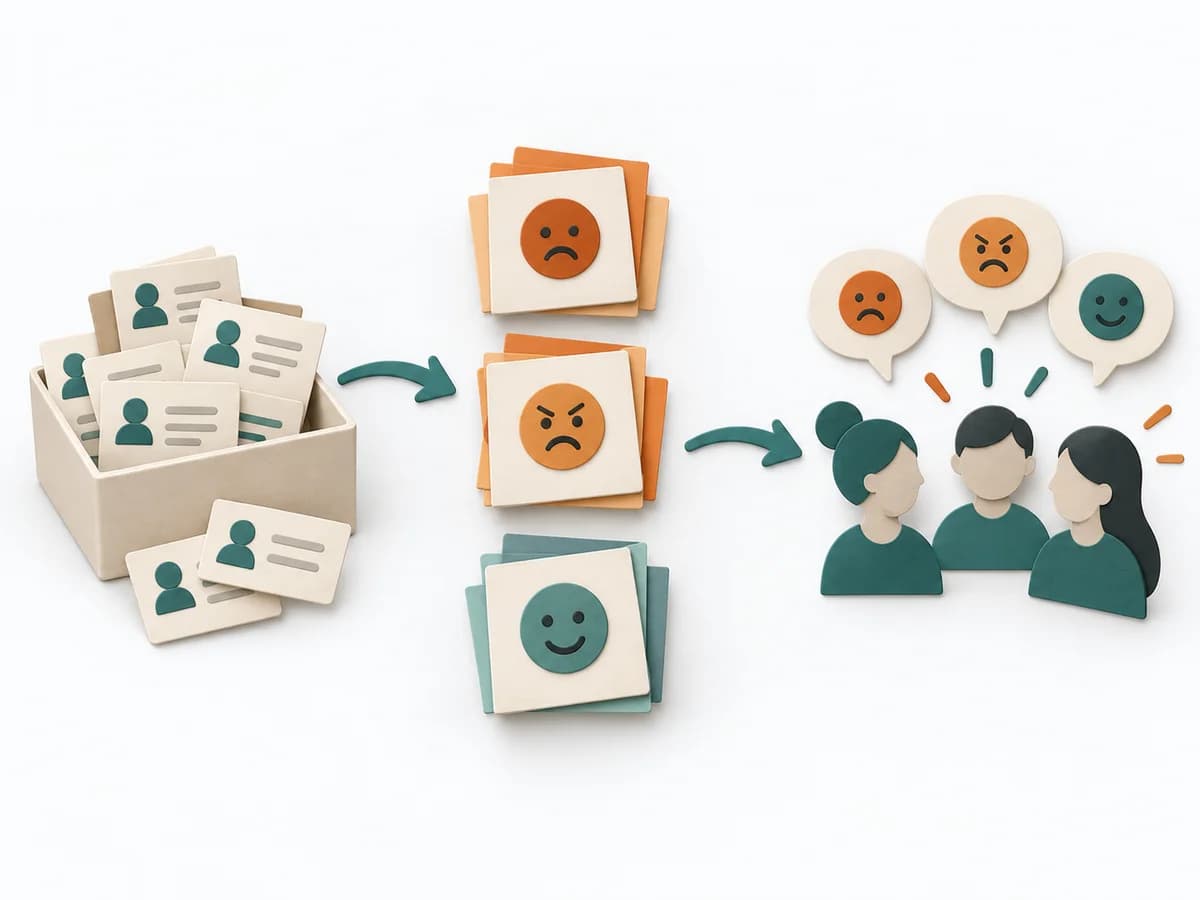 Agile Mad Sad Glad | 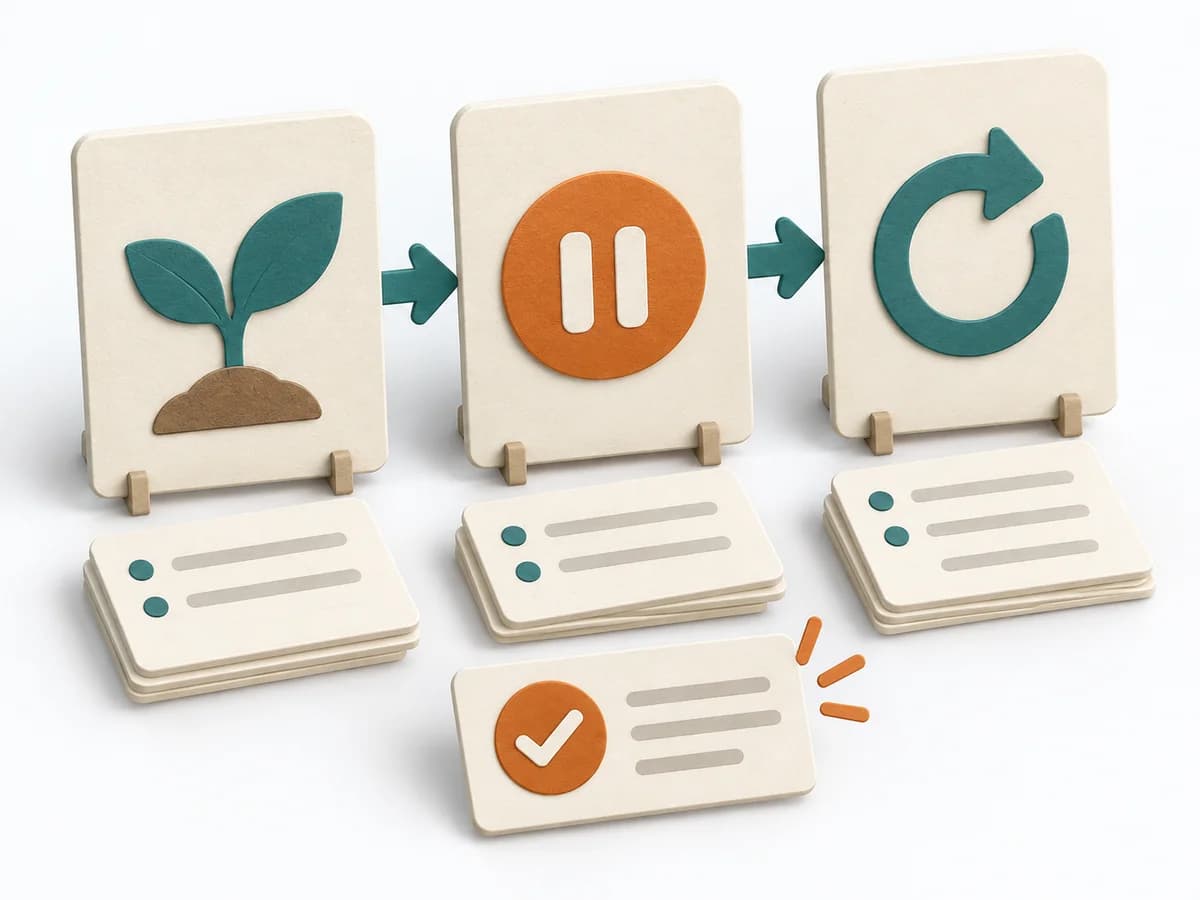 Agile Start Stop Continue | 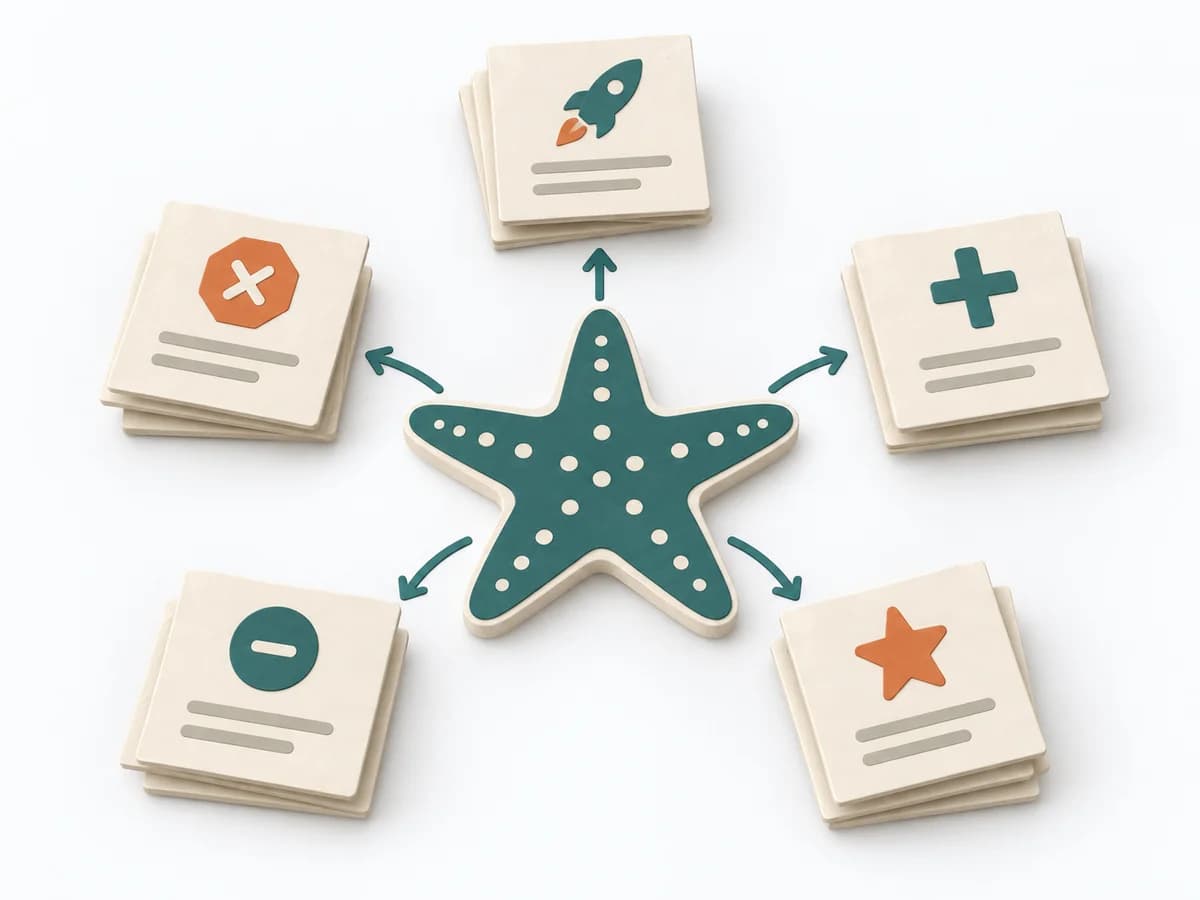 Agile Starfish Retrospective |
|---|---|---|---|---|
Purposedifferent | In preparing for rare incidents, the method tests response capability under controlled conditions. It shows where assumptions about stability, roles, and recovery are too optimistic. | When a team's or workshop's mood needs to become readable, it structures emotional signals with little setup. It makes strain, relief, and sources of energy tangible. | When a team wants to deliberately adjust its working behavior, it makes habits visible and assessable. It focuses on concrete changes instead of diffuse mood. | When improvement options need to be sorted more finely than just start and stop, it brings observations into clear kinds of action. This makes visible what should be done more, less, newly, or continued. |
Complexitydifferent | High | Low | Low | Low |
Timedifferent | Halber Tag | 30-60 min | 30-60 min | 45-90 min |
Participantsdifferent | 5-20 | 3-10 | 3-12 | 4-12 |
Formatsame | Workshop | Workshop | Workshop | Workshop |
Outputdifferent | Simulation Notes, Gaps List, Updated Runbooks | Emotion Board, Themes, Action Items | Start Stop Continue Board, Improvement Actions | Starfish Board, Practice Changes, Experiments |
Tagsno overlap | ResilienceOperationsIncident | RetrospectiveTeamReflection | RetrospectiveImprovementTeamReflection | RetrospectiveImprovementExperimentsTeam |