View methods side by side.
Choose up to four methods. Add them using the search and share the comparison by copying its link.
| Criterion | 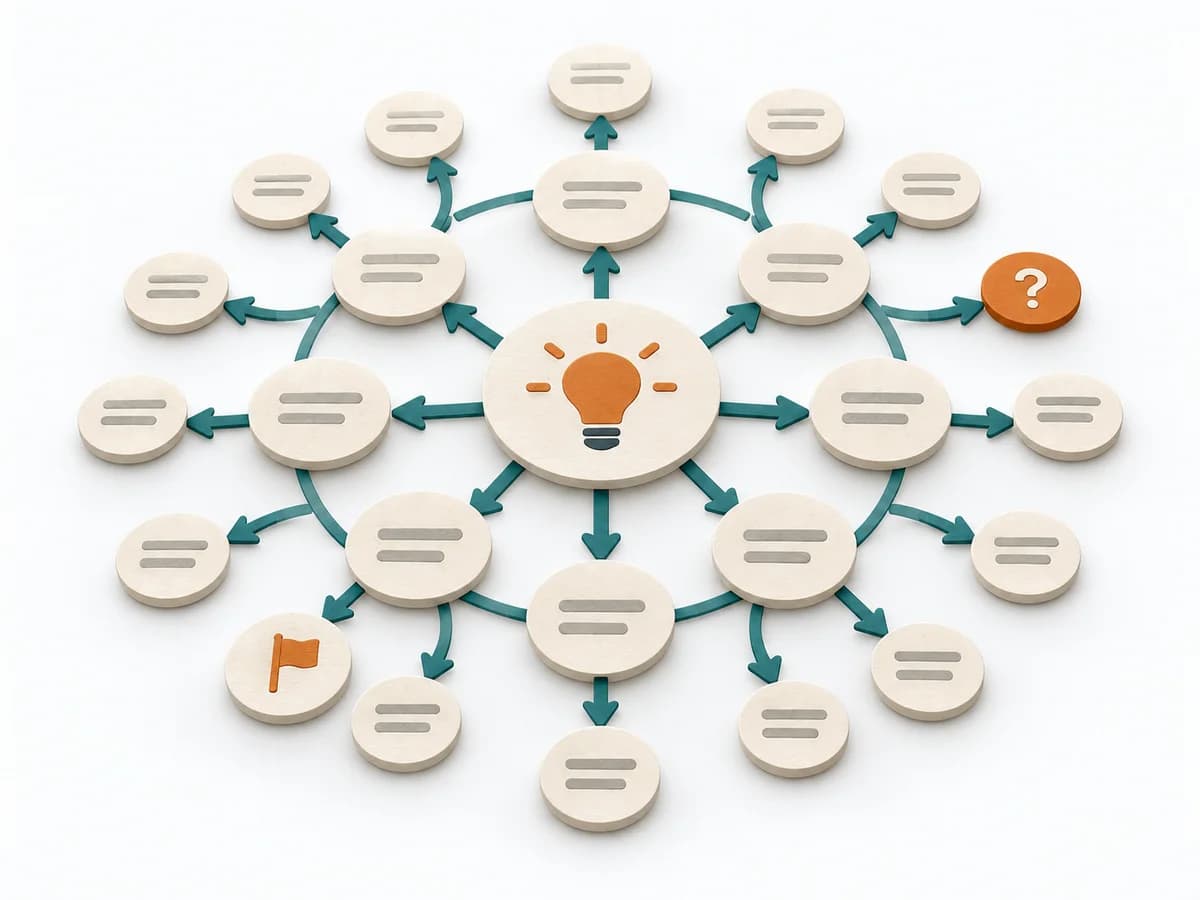 Systems Thinking Futures Wheel |  Systems Thinking Leverage Points |  Systems Thinking Iceberg Model | 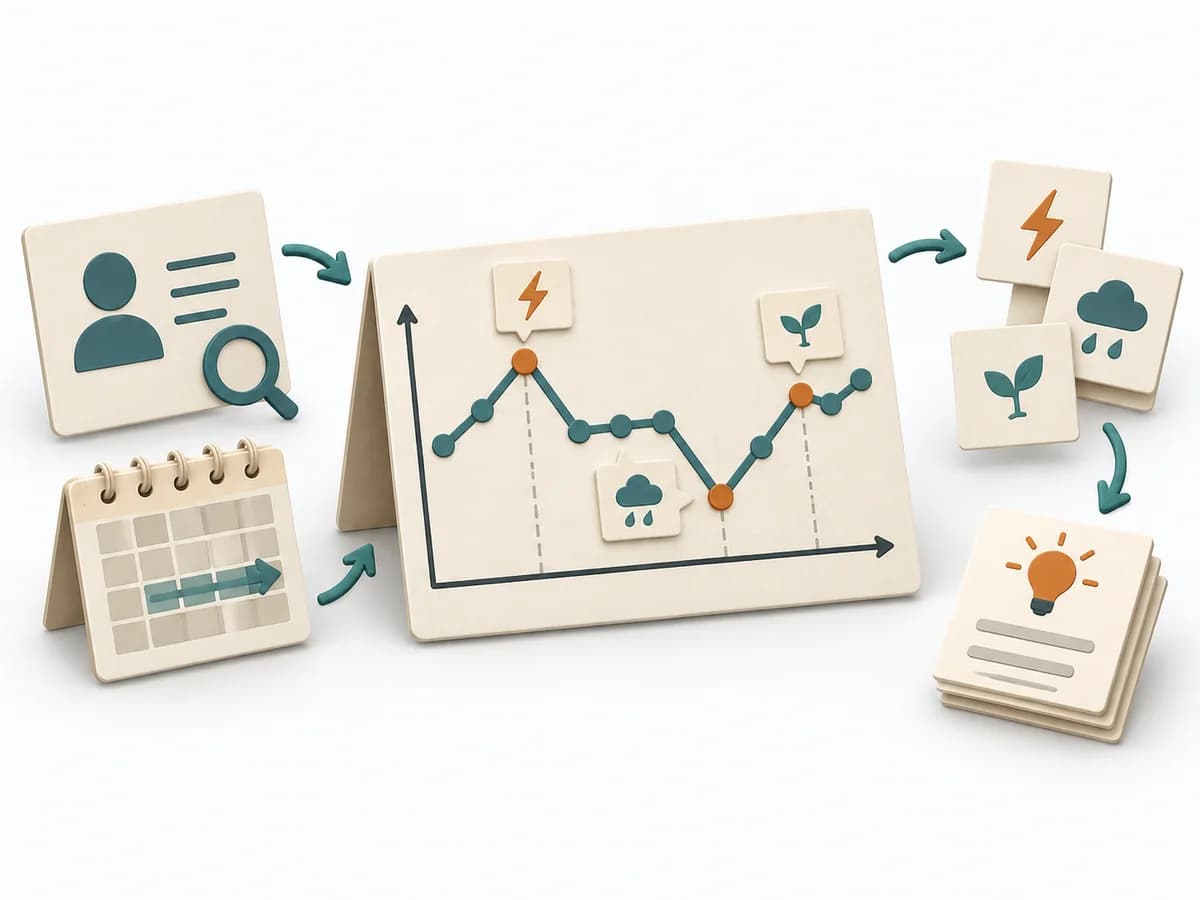 Systems Thinking Behavior Over Time Graph |
|---|---|---|---|---|
Purposedifferent | The Futures Wheel helps explore the consequences of a decision, a trend, or a strategic move in a structured way. It makes visible which first, second, and third-order effects could arise from an event. | Leverage Points show exactly where interventions in a system produce a disproportionate effect. It draws relationships, patterns, and feedback loops. The result is captured as a leverage map and action strategy. | The Iceberg Model separates visible events from patterns, structures, and mental models. This turns a single observation into a deeper understanding of why a problem keeps recurring. | A Behavior Over Time Graph shows how a metric or observation develops over time. The method makes trends, breaks, and recurring patterns visible that get lost in snapshots. |
Complexitydifferent | Medium | High | Low | Low |
Timedifferent | 60-120 min | Half day | 30-60 min | 20-45 min |
Participantsdifferent | 3-10 | 3-12 | 2-10 | 1-10 |
Formatdifferent | Workshop + async | Workshop | Workshop + async | Workshop + async |
Outputdifferent | Futures Wheel, Consequence Chains, Strategic Signals | Leverage Map, Action Strategy | Iceberg Worksheet, Pattern Notes, Intervention Ideas | Behavior Over Time Graph, Trend Hypotheses, Key Events |
Tags1 shared | ForesightSystems thinkingSignals | Systems thinkingChangeStrategy | Systems thinkingRoot causePatterns | Systems thinkingPatternsDynamics |