View methods side by side.
Choose up to four methods. Add them using the search and share the comparison by copying its link.
| Criterion | 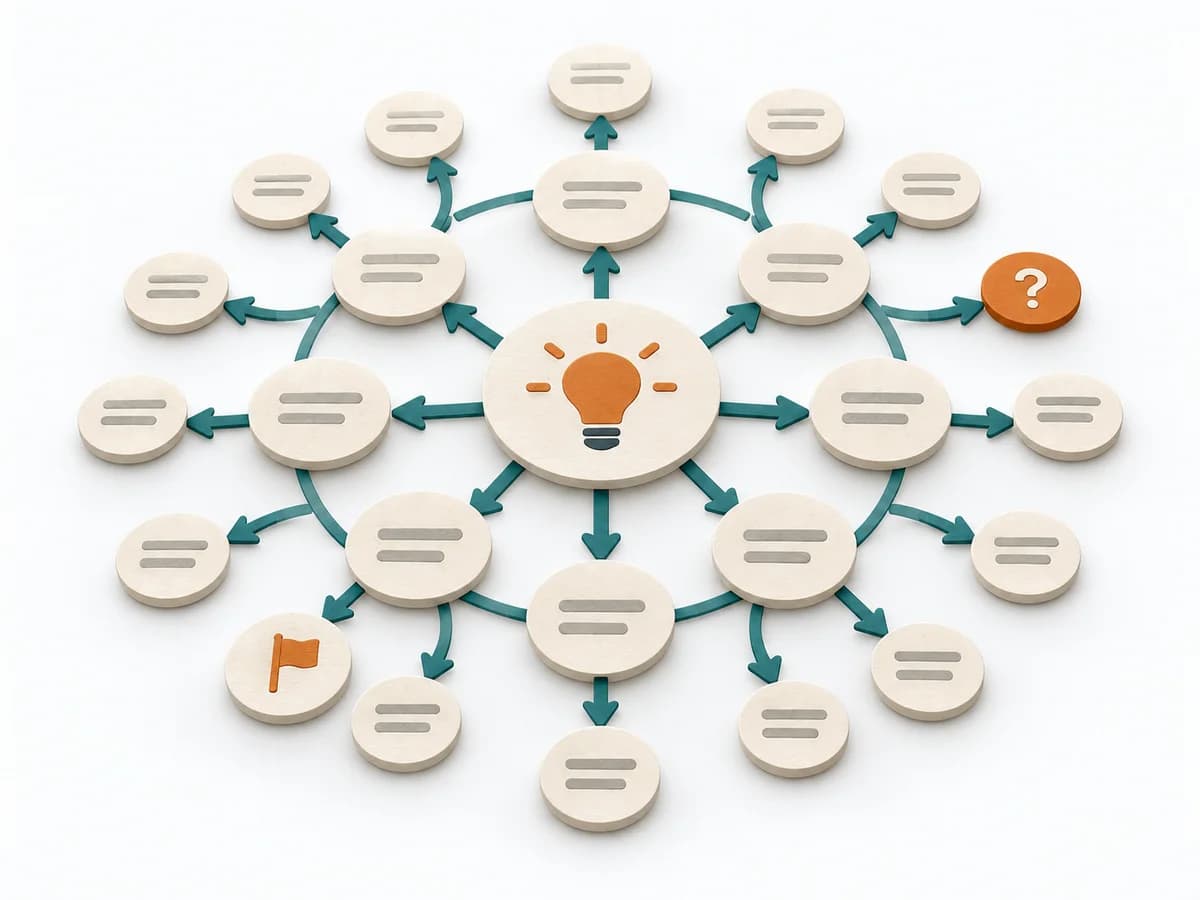 Systems Thinking Futures Wheel |  Knowledge Modeling IBIS | 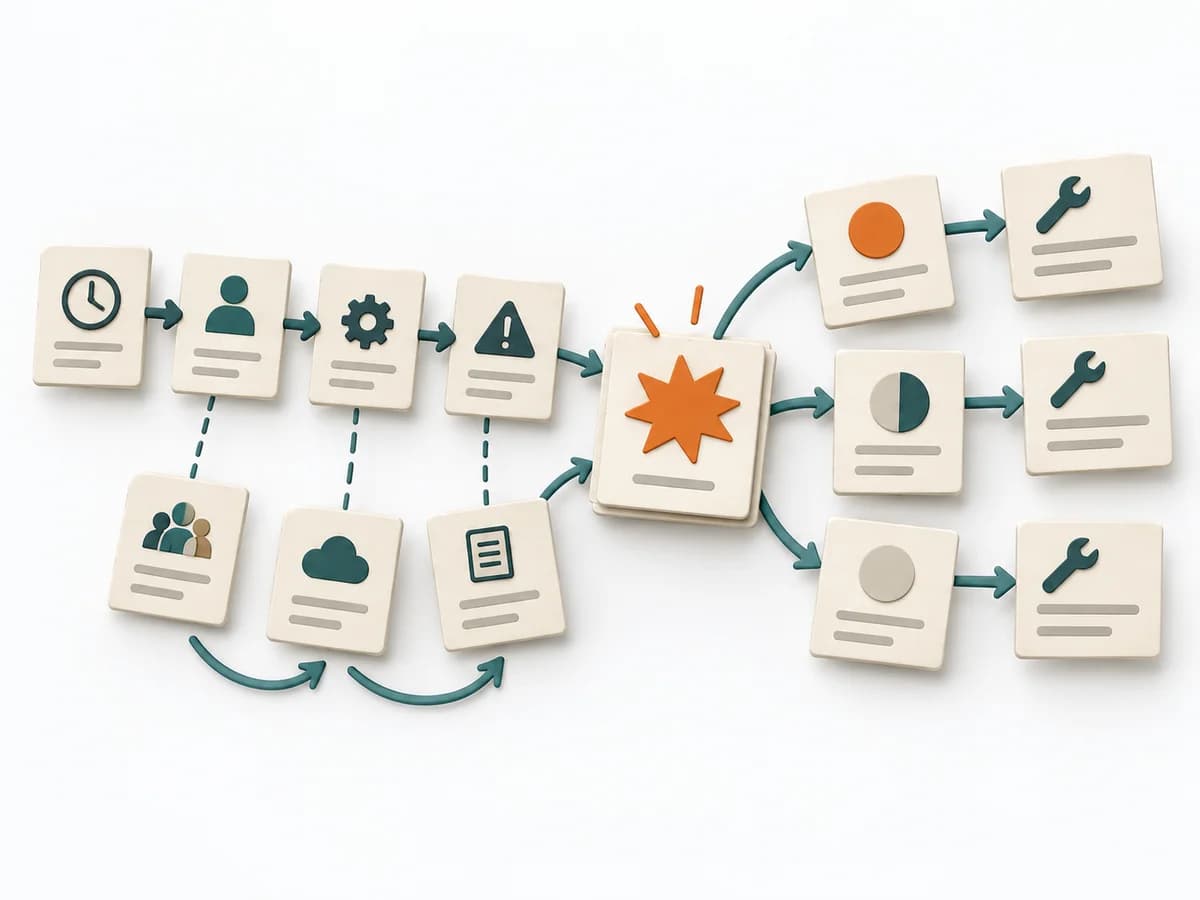 Operations Causal Factor Analysis | 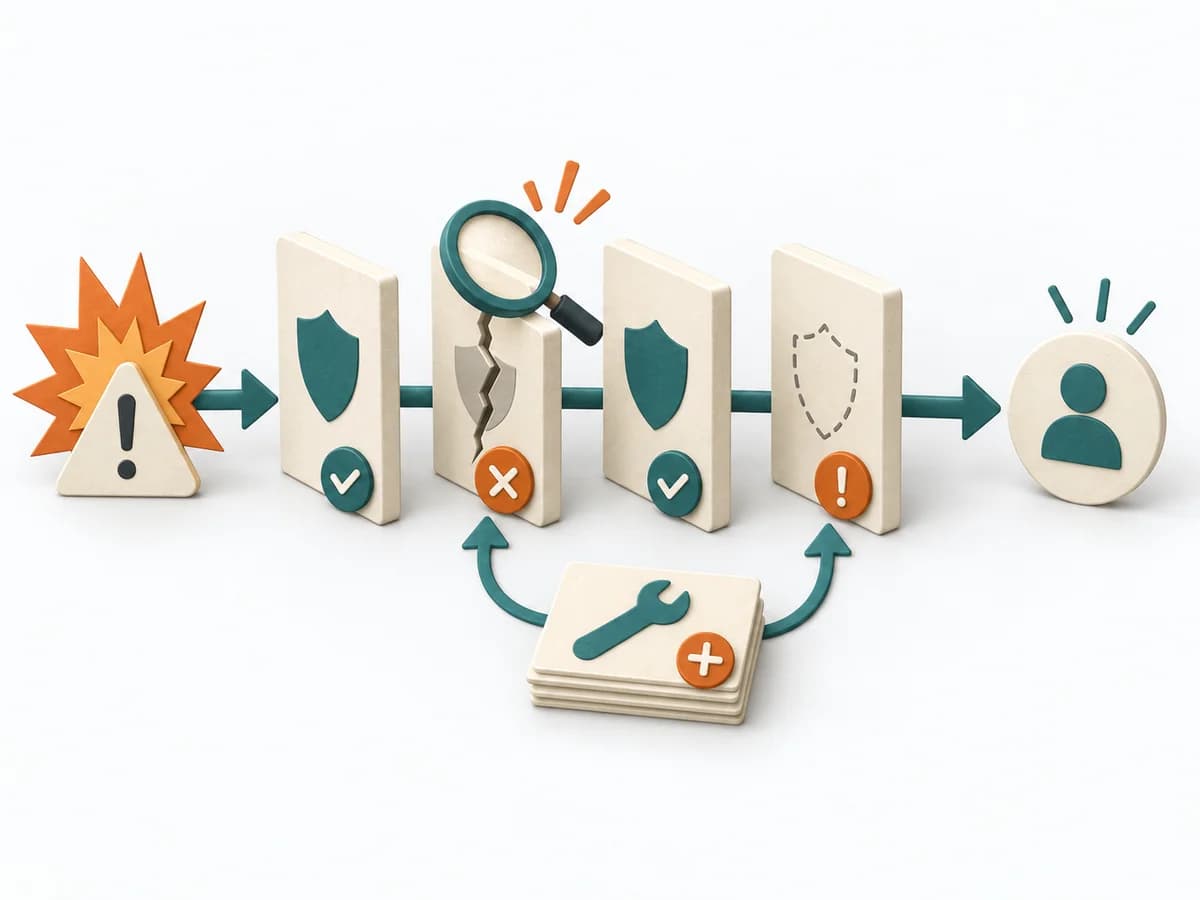 Operations Barrier Analysis |
|---|---|---|---|---|
Purposedifferent | The Futures Wheel helps explore the consequences of a decision, a trend, or a strategic move in a structured way. It makes visible which first, second, and third-order effects could arise from an event. | IBIS structures thinking about complex questions as a sequence of issues, ideas, and arguments. The method keeps discussions open without forcing them into premature consensus. | For an event with a complicated course, the method breaks down the contributing factors along the timeline. It shows how conditions, decisions, and reactions together produce a course of events. | For a risk that can only be managed through multiple layers of protection, the method examines the effectiveness of each barrier. It shows where safeguards are missing, too weak, or fail under real conditions. |
Complexitydifferent | Medium | Medium | High | Medium |
Timedifferent | 60-120 min | 1-3 h | 2-6 h | 2-4 h |
Participantsdifferent | 3-10 | 2-8 | 3-10 | 2-6 |
Formatsame | Workshop + async | Workshop + async | Workshop + async | Workshop + async |
Outputdifferent | Futures Wheel, Consequence Chains, Strategic Signals | Issue Map, Positions, Argument Notes | Event Timeline, Causal Factor Chart, Cause List, Corrective Actions | Barrier Inventory, Failure Analysis per Barrier, Action Backlog |
Tagsno overlap | ForesightSystems thinkingSignals | RationaleKnowledgeDecision | CausalityIncidentRoot causeTimeline | Root causeSafetyIncident |