View methods side by side.
Choose up to four methods. Add them using the search and share the comparison by copying its link.
| Criterion | 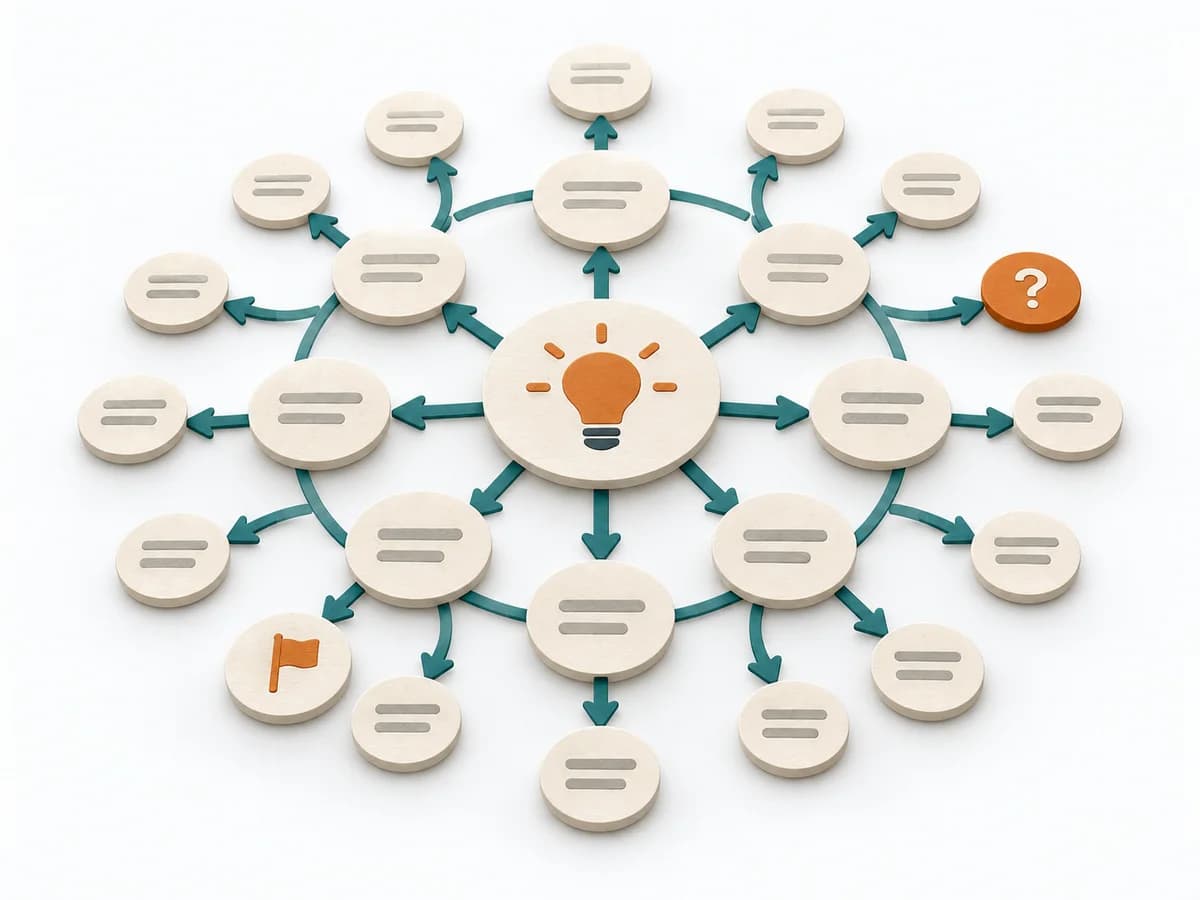 Systems Thinking Futures Wheel | 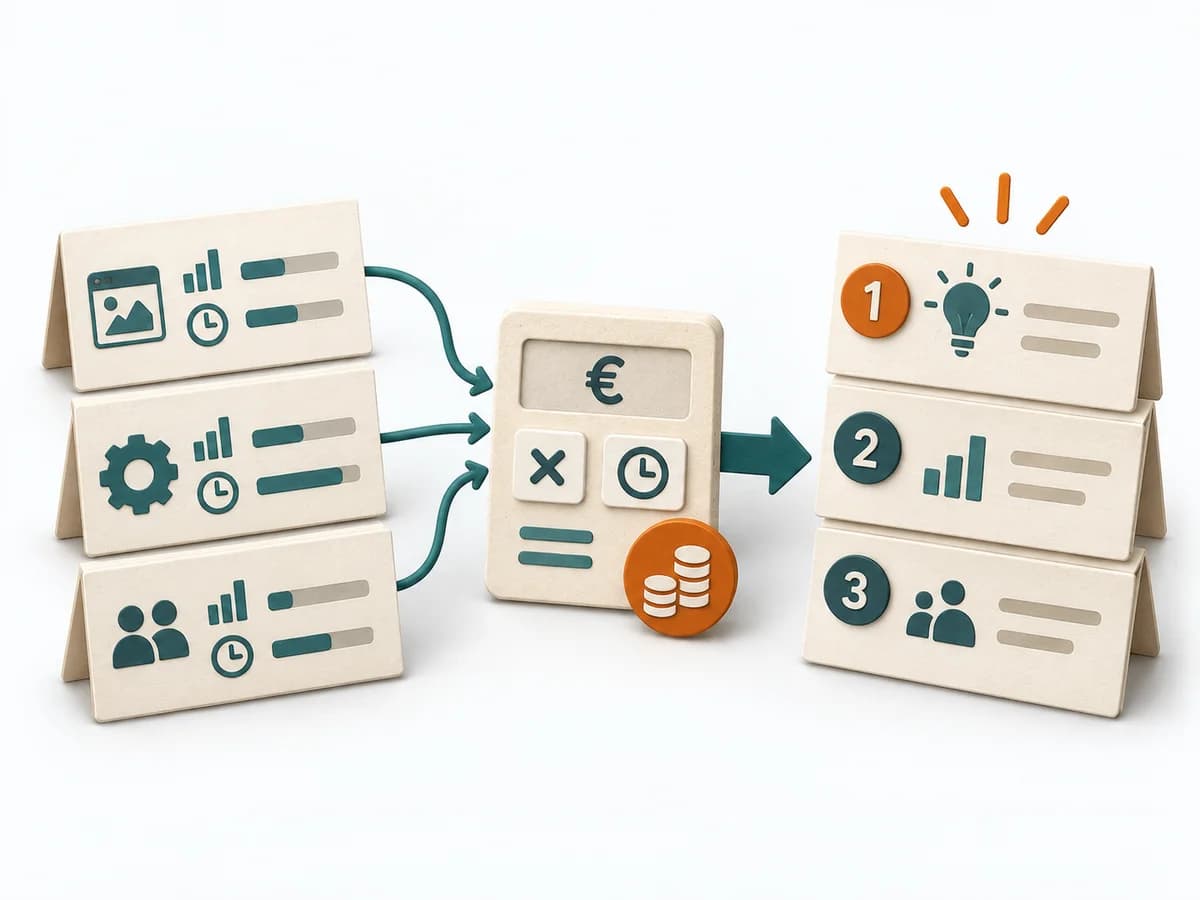 Delivery Cost of Delay |  Operations Kepner-Tregoe |  Operations 5 Whys |
|---|---|---|---|---|
Purposedifferent | The Futures Wheel helps explore the consequences of a decision, a trend, or a strategic move in a structured way. It makes visible which first, second, and third-order effects could arise from an event. | Helps clarify scope, order, and delivery flow in concrete terms. It makes work, constraints, and sequence manageable. The result is captured as a Cost of Delay table and prioritization sequence. | For a disturbance that's hard to pin down, the method cleanly separates problem, cause, and decision. It reduces mixing when symptoms allow several interpretations. | For a single, hard-to-explain deviation, the method exposes the causal chain behind the visible symptom. It keeps the cause open until a controllable condition emerges instead of a mere description. |
Complexitydifferent | Medium | High | High | Low |
Timedifferent | 60-120 min | 90-180 min | 2-8 h | 15-30 min |
Participantsdifferent | 3-10 | 3-8 | 2-8 | 2-6 |
Formatdifferent | Workshop + async | Workshop | Workshop + async | Workshop |
Outputdifferent | Futures Wheel, Consequence Chains, Strategic Signals | CoD Table, Prioritization Sequence | Problem Analysis, Decision Analysis, Risk Plan | Root cause notes, Countermeasures |
Tagsno overlap | ForesightSystems thinkingSignals | PrioritizationDeliveryEconomicsDecision | Problem solvingRoot causeDecisionOperations | Root causeIncidentLeanProblem solving |