View methods side by side.
Choose up to four methods. Add them using the search and share the comparison by copying its link.
| Criterion | 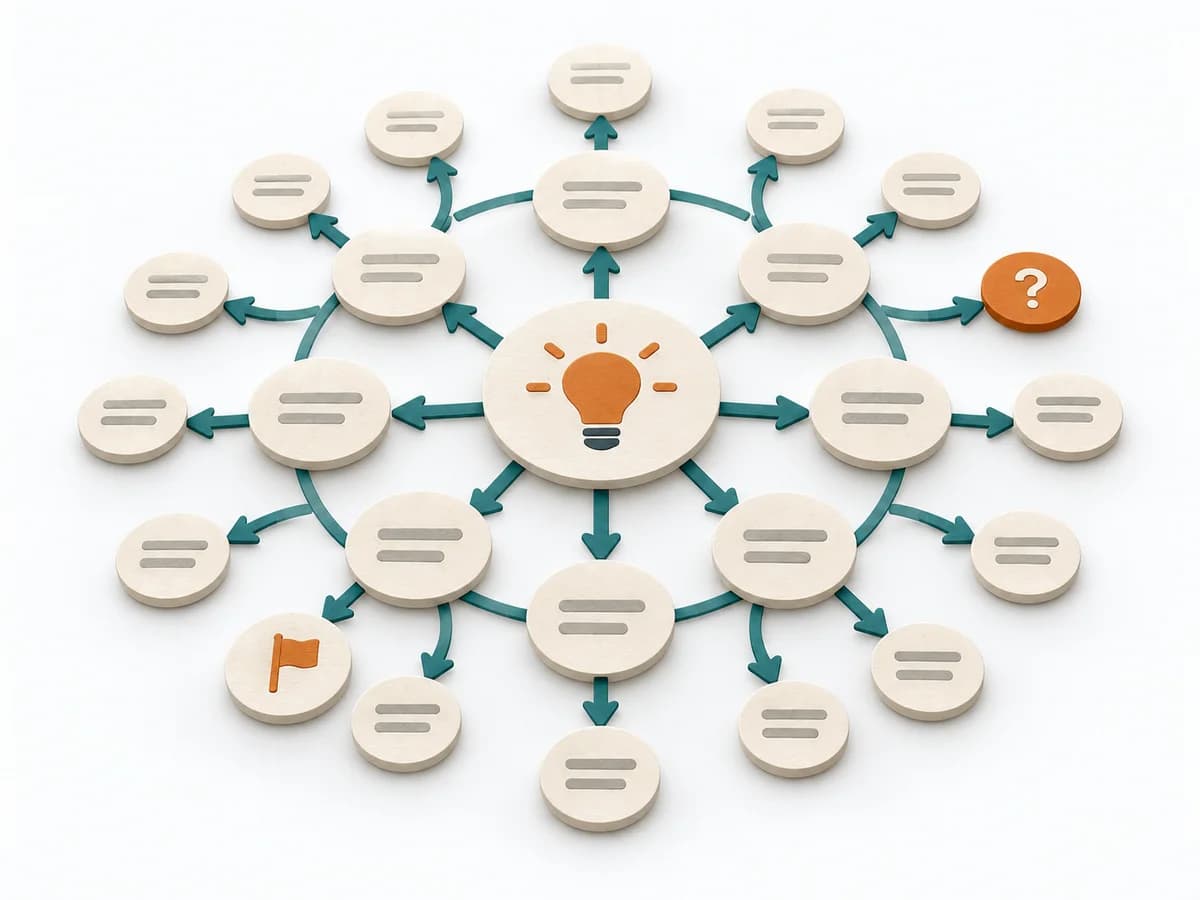 Systems Thinking Futures Wheel | 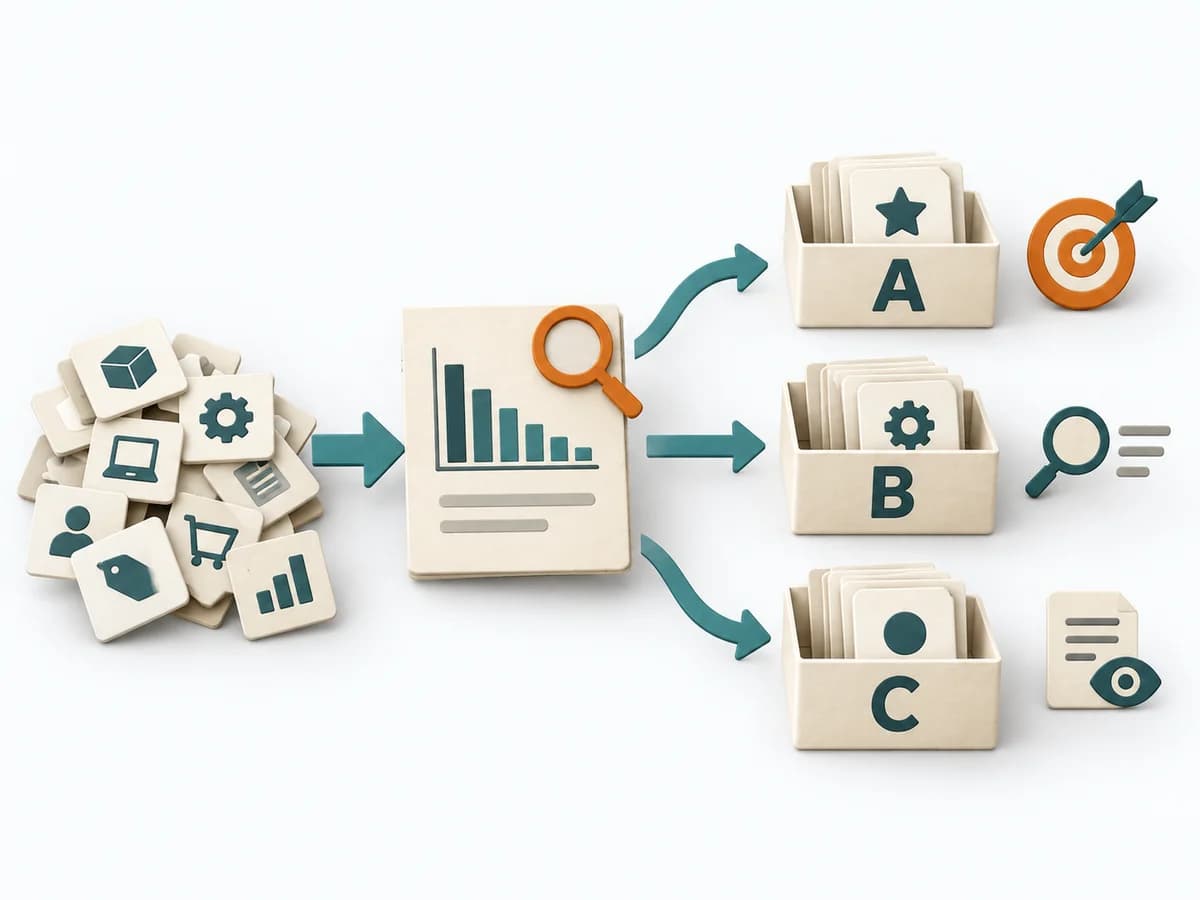 Operations ABC Analysis |  Delivery MoSCoW |  Operations Kepner-Tregoe |
|---|---|---|---|---|
Purposedifferent | The Futures Wheel helps explore the consequences of a decision, a trend, or a strategic move in a structured way. It makes visible which first, second, and third-order effects could arise from an event. | With many similar objects of differing economic significance, the method prioritizes effort by effect. It separates what needs regular steering from what rarely needs attention. | When a release carries too many demands and priorities are only ever negotiated, MoSCoW creates clear boundaries for the next cut. Must, Should, Could, and Won't make commitment, room for maneuver, and trade-off logic visible to everyone involved. | For a disturbance that's hard to pin down, the method cleanly separates problem, cause, and decision. It reduces mixing when symptoms allow several interpretations. |
Complexitydifferent | Medium | Low | Low | High |
Timedifferent | 60-120 min | 30-60 min | 30-90 min | 2-8 h |
Participantsdifferent | 3-10 | 1-5 | 3-12 | 2-8 |
Formatdifferent | Workshop + async | Async | Workshop + async | Workshop + async |
Outputdifferent | Futures Wheel, Consequence Chains, Strategic Signals | ABC Classification, Focus Rules, Control List | Prioritized Backlog, Release Scope, Tradeoff Notes | Problem Analysis, Decision Analysis, Risk Plan |
Tagsno overlap | ForesightSystems thinkingSignals | PrioritizationOperationsPortfolio | PrioritizationScopeDecision | Problem solvingRoot causeDecisionOperations |