View methods side by side.
Choose up to four methods. Add them using the search and share the comparison by copying its link.
| Criterion | 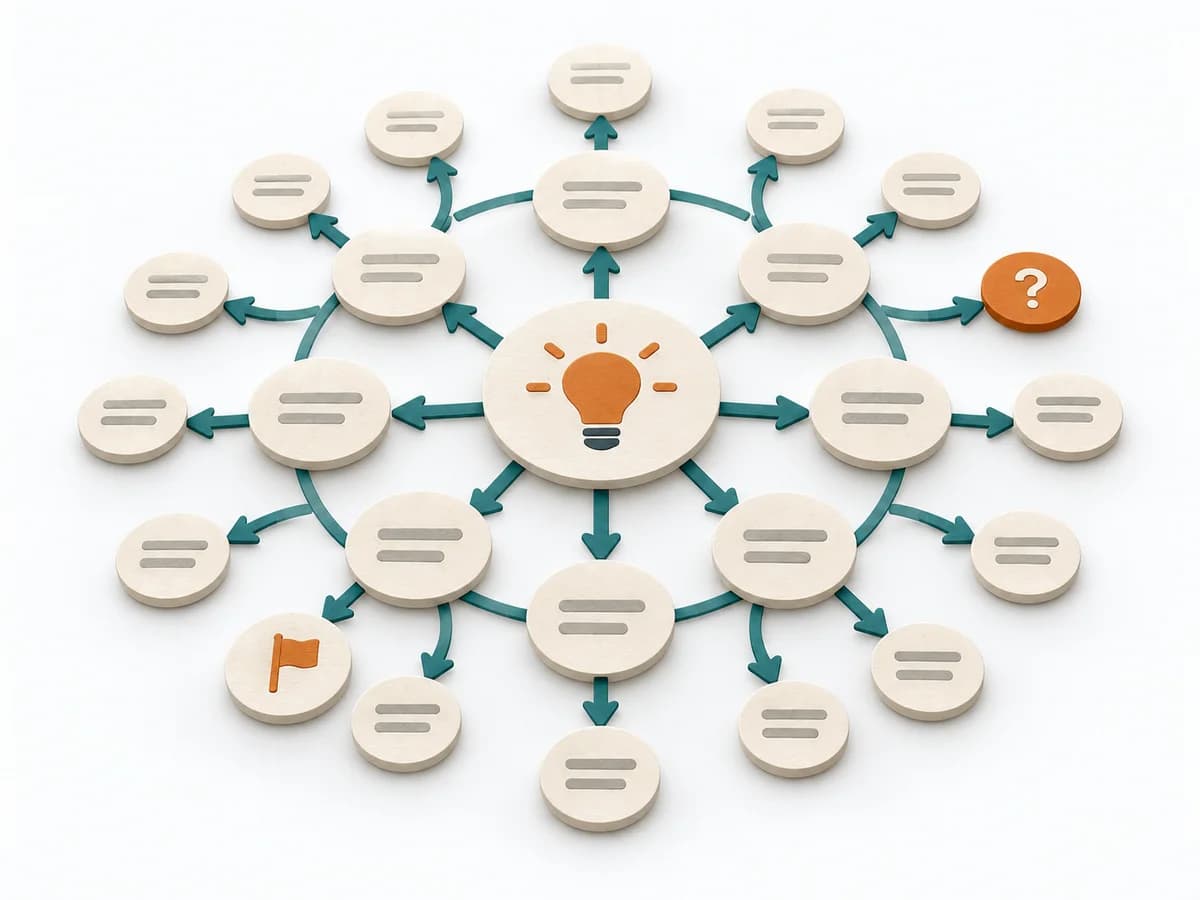 Systems Thinking Futures Wheel | 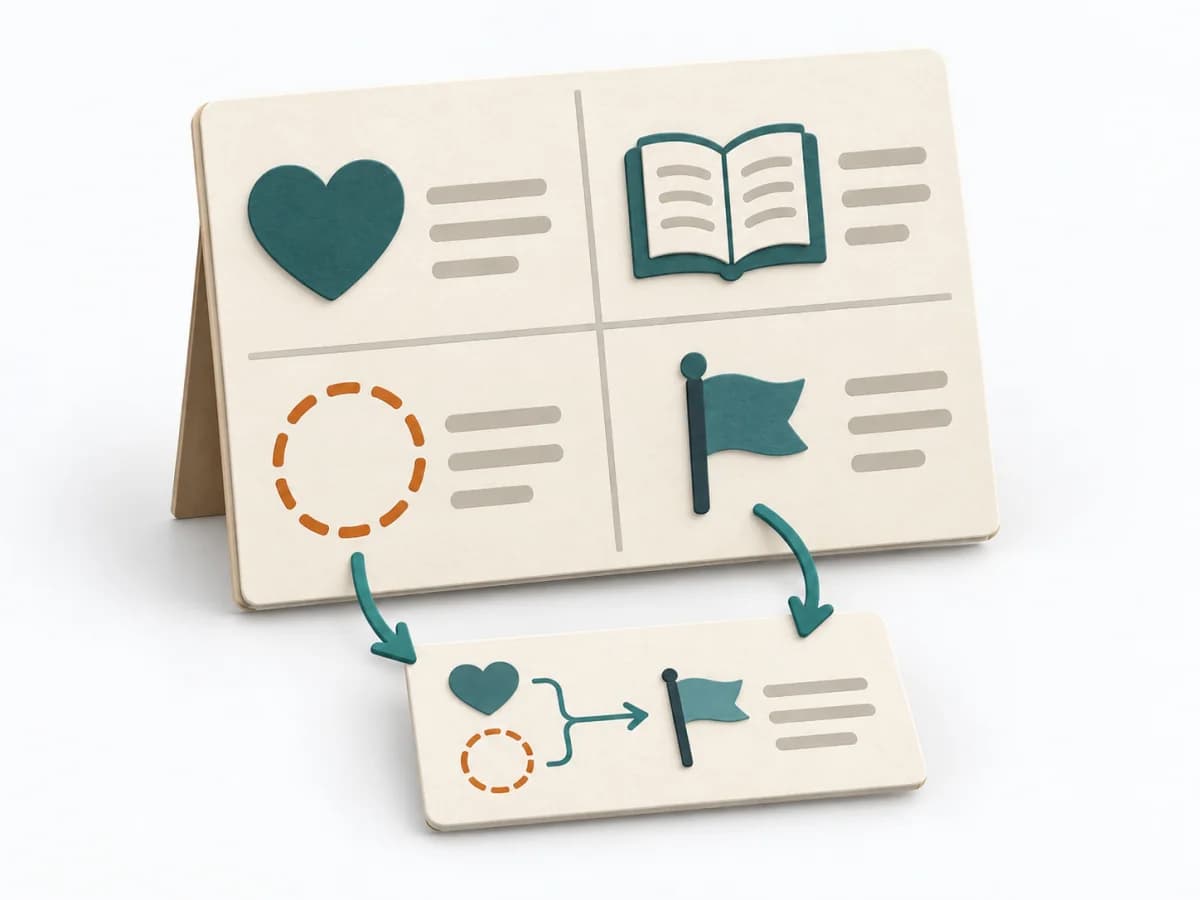 Agile 4Ls Retrospective |  DevOps Incident Command | 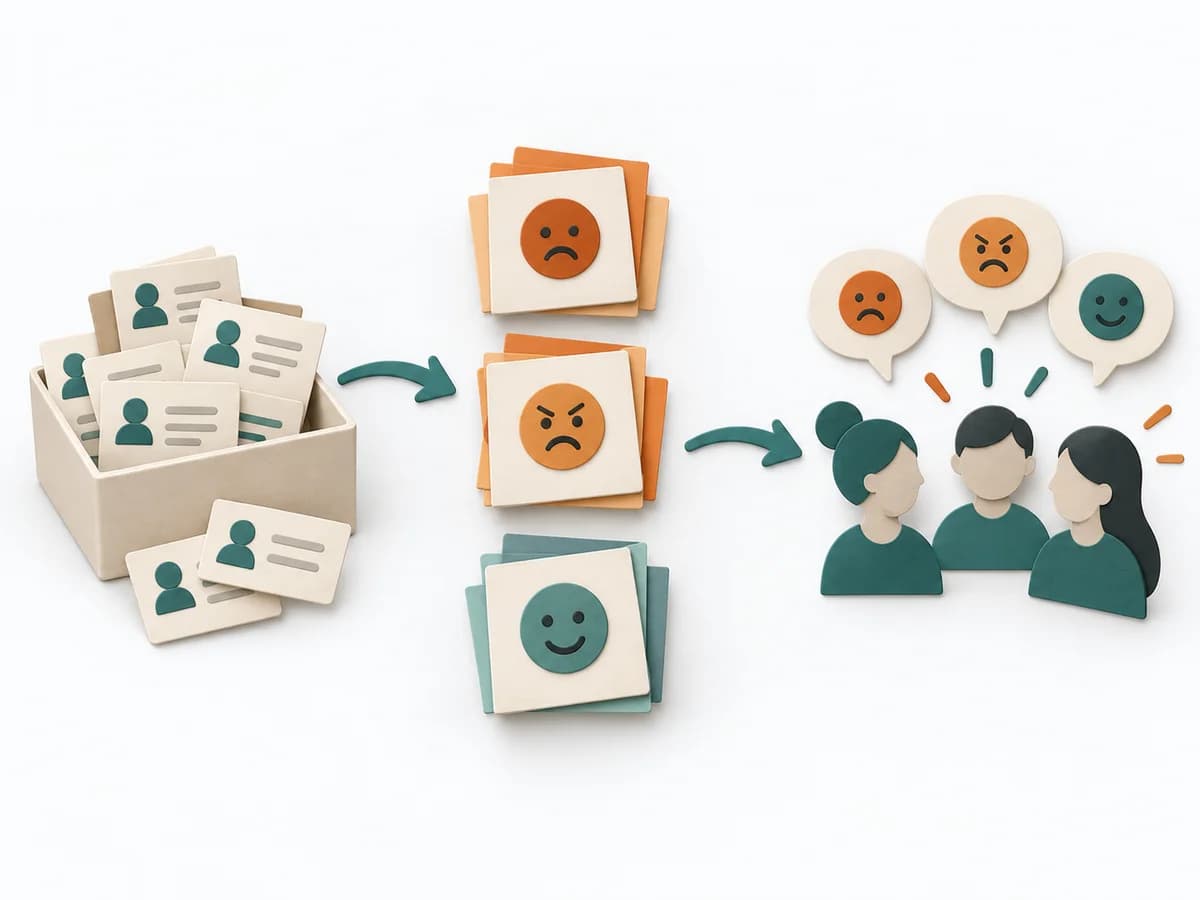 Agile Mad Sad Glad |
|---|---|---|---|---|
Purposedifferent | The Futures Wheel helps explore the consequences of a decision, a trend, or a strategic move in a structured way. It makes visible which first, second, and third-order effects could arise from an event. | When a sprint should not only be assessed but also learned from, it captures experience in clear learning categories. It records what worked, what's missing, and what should run differently next time. | During an acute incident with several people involved, the method creates a clear leadership and communication structure. It reduces chaos when fast coordination and clean situational awareness are both needed at once. | When a team's or workshop's mood needs to become readable, it structures emotional signals with little setup. It makes strain, relief, and sources of energy tangible. |
Complexitydifferent | Medium | Low | Medium | Low |
Timedifferent | 60-120 min | 45–75 min | As needed | 30-60 min |
Participantsdifferent | 3-10 | Team members involved | 4-15 | 3-10 |
Formatdifferent | Workshop + async | Workshop | Workshop + async | Workshop |
Outputdifferent | Futures Wheel, Consequence Chains, Strategic Signals | 4Ls Board, Learning Themes, Improvement Actions | Incident Log, Action Tracker, Stakeholder Updates | Emotion Board, Themes, Action Items |
Tagsno overlap | ForesightSystems thinkingSignals | RetrospectiveLearningReflectionTeam | IncidentOperationsReliability | RetrospectiveTeamReflection |