View methods side by side.
Choose up to four methods. Add them using the search and share the comparison by copying its link.
| Criterion | 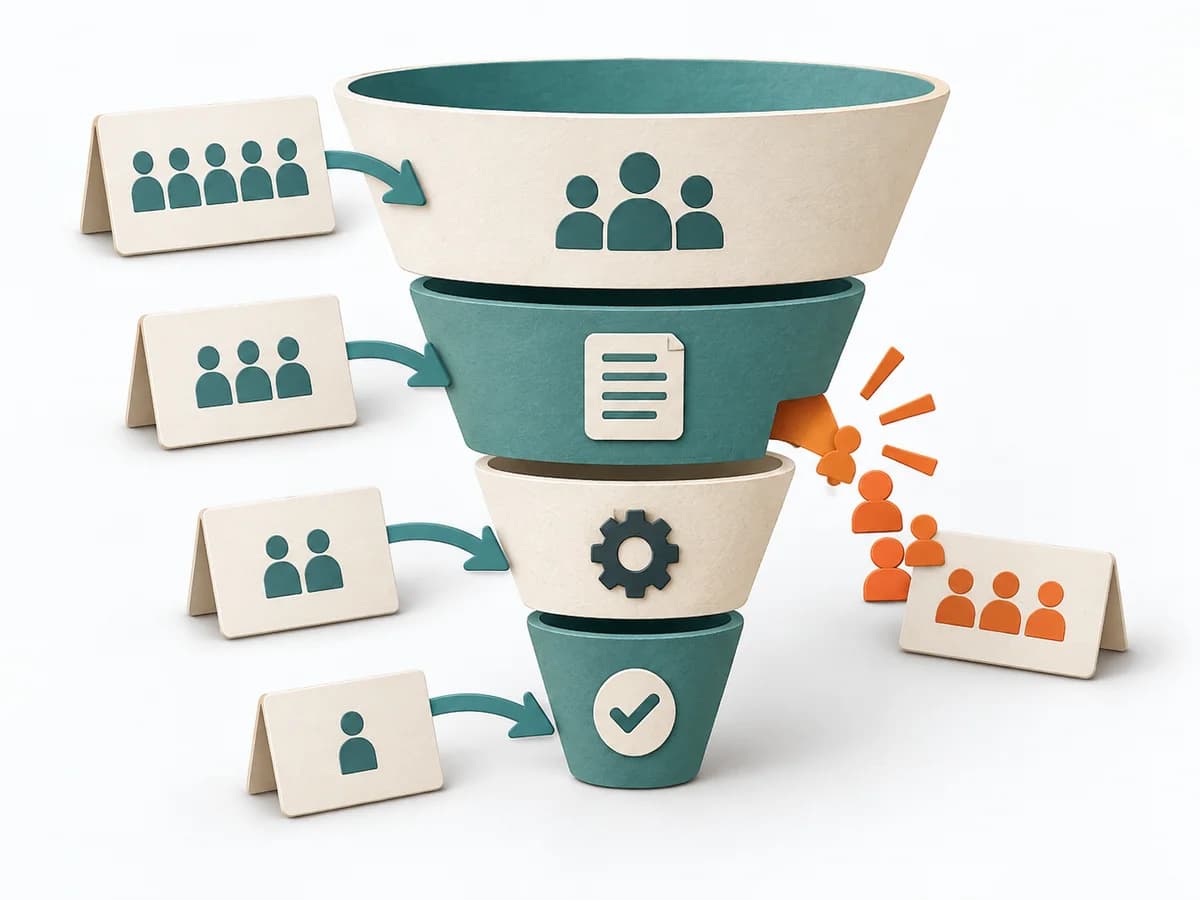 Growth Funnel Analysis | 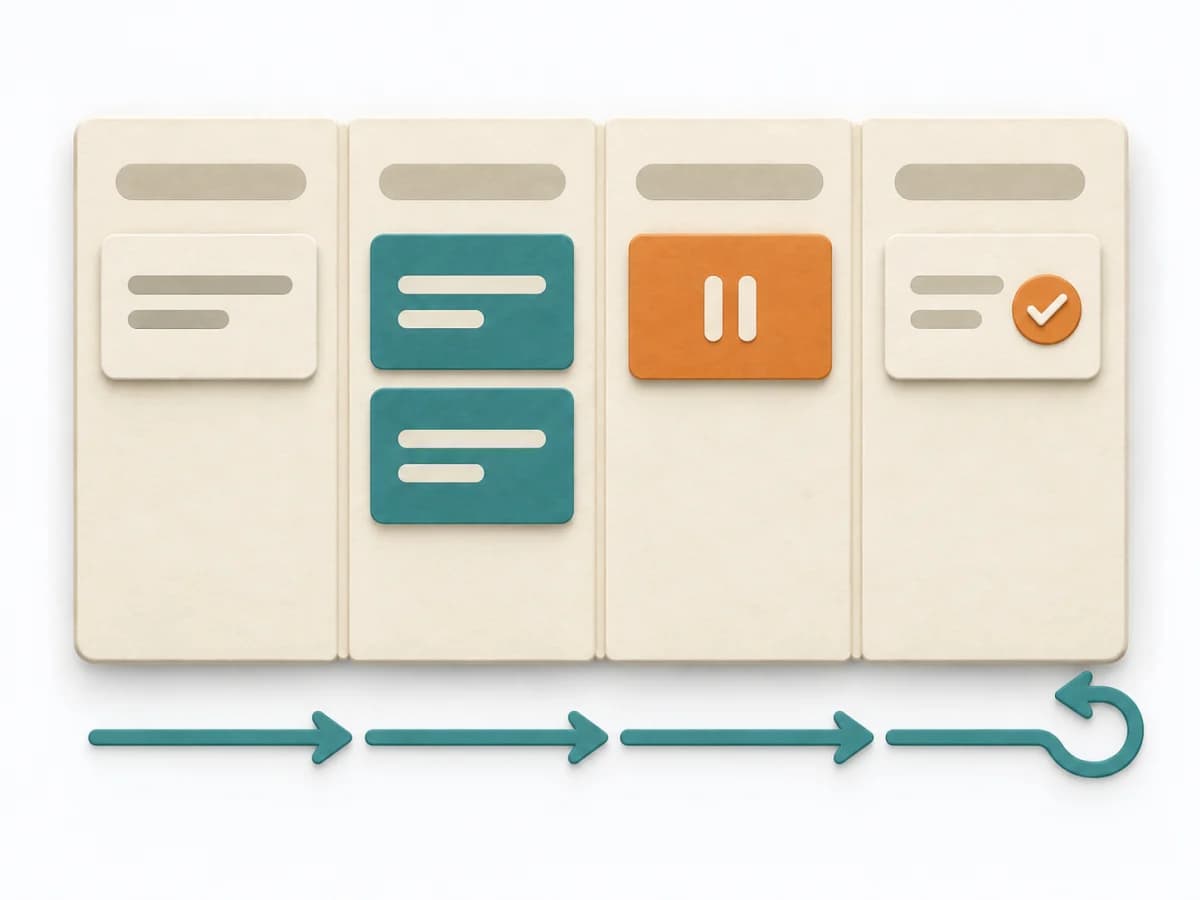 Engineering Kanban | 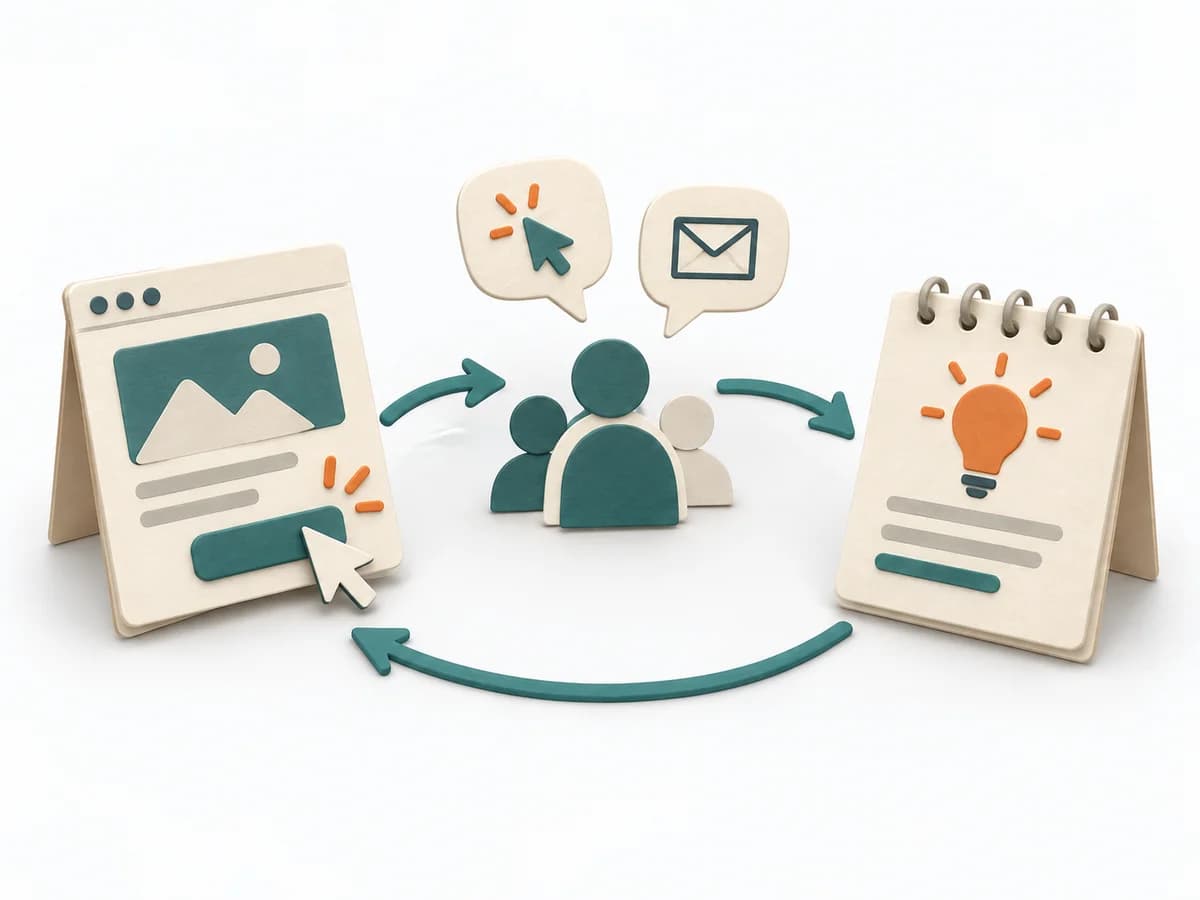 Product Discovery Smoke Test | 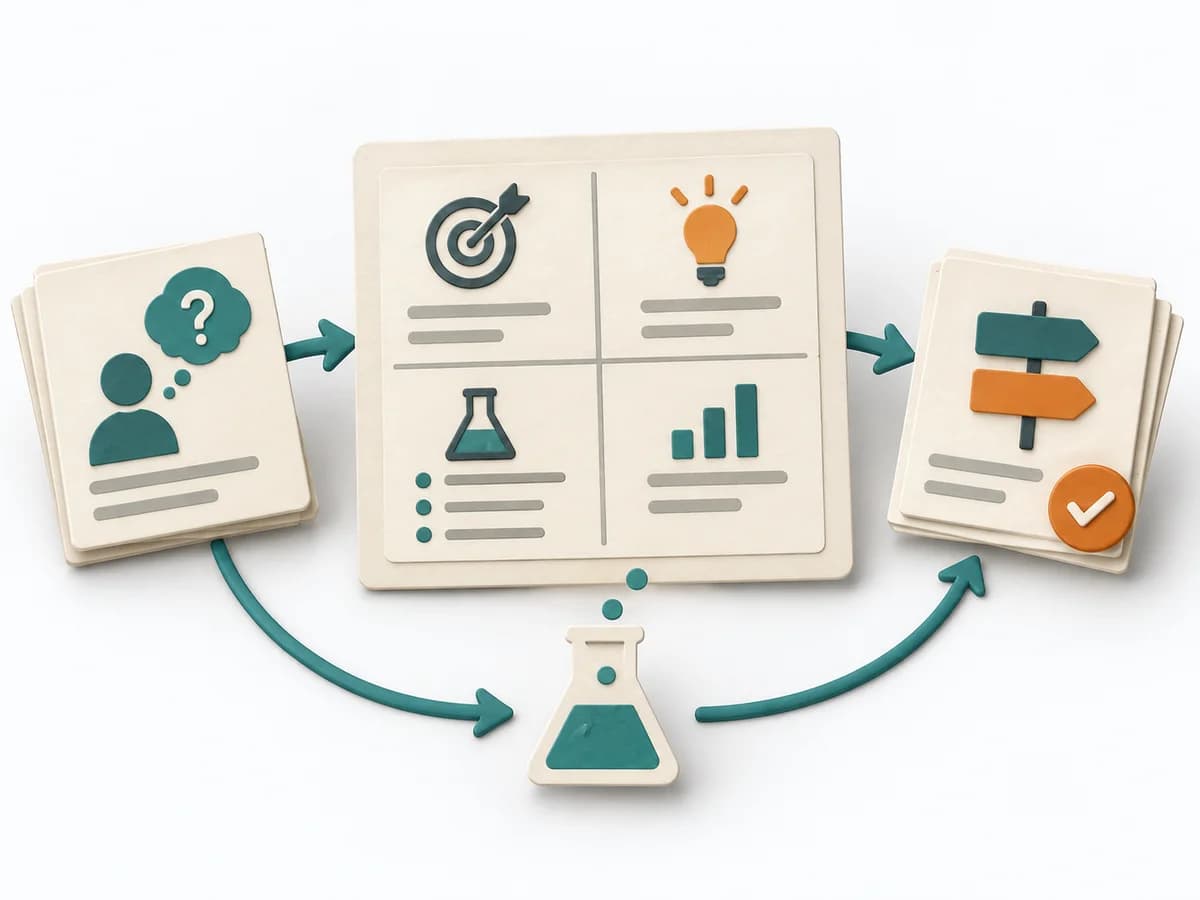 Product Discovery Experiment Canvas |
|---|---|---|---|---|
Purposedifferent | When many visitors or users drop off along the way, the reason behind the number often stays hidden. Funnel Analysis exposes these transitions and makes visible exactly where the path collapses. | When work sits in too many parallel streams, throughput suffers and no one sees the bottlenecks. Kanban makes the flow of work visible and limits overload so a system becomes calmer and more predictable. | When demand only needs to be roughly verified, it tests interest with minimal effort. It measures whether people would take a next step at all. | When experiments become unreadable after the fact, it arranges hypothesis, signal, and learning goal on a single canvas. It separates problem, assumption, solution, and evidence. The result is captured as a Completed Experiment Canvas and a Success Metric. |
Complexitydifferent | Medium | Medium | Low | Low |
Timedifferent | 1-3 h | Ongoing | 1-5 Tage | 30-60 min |
Participantsdifferent | 1-5 | 2-12 | Nutzertraffic | 1-5 |
Formatdifferent | Async | Workshop + async | Async | Workshop + async |
Outputdifferent | Funnel report, Drop-off analysis, Optimization hypotheses | Kanban board, WIP policies, Flow metrics | Interest Metrics, Conversion Signal, Learning Note | Completed Experiment Canvas, Success Metric |
Tagsno overlap | AnalyticsConversionGrowth | FlowVisual managementDelivery | ValidationExperimentsDemandGrowth | ExperimentsValidationDiscoveryHypothesis |