View methods side by side.
Choose up to four methods. Add them using the search and share the comparison by copying its link.
| Criterion |  Decision Making Force Field Analysis | 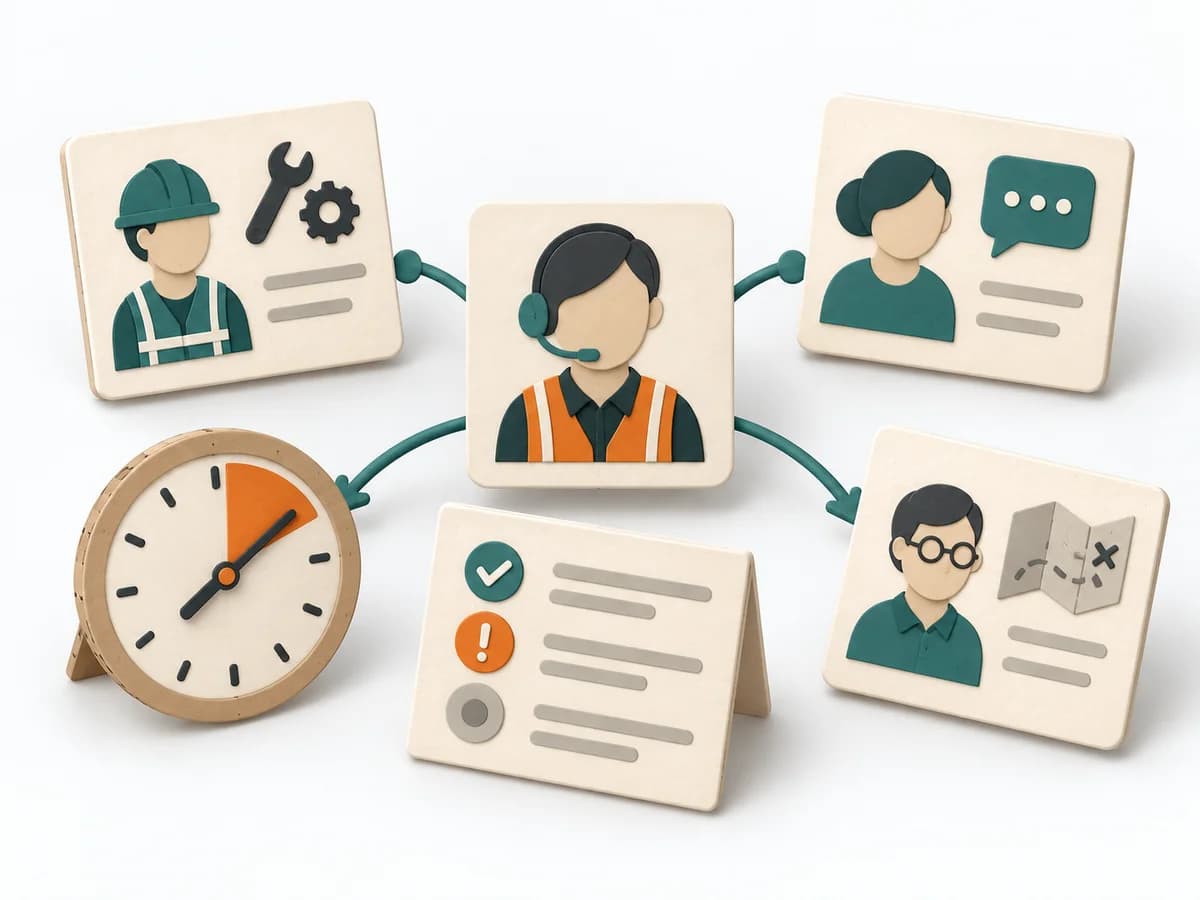 DevOps Incident Command |  Operations After-Action Review |  Operations Learning Review |
|---|---|---|---|---|
Purposedifferent | In change initiatives, supporting and restraining forces sit at the table at the same time. Force Field Analysis makes these tensions explicit and shows where change can be pushed forward by strengthening or relieving. | During an acute incident with several people involved, the method creates a clear leadership and communication structure. It reduces chaos when fast coordination and clean situational awareness are both needed at once. | After missions or project phases with unclear outcomes, the method makes visible what actually happened and what can be learned from it. It separates course, effect, and causes so experience turns into solid improvement. | After a project phase with mixed results, the method makes learning from the individual case reusable. It connects events, decisions, and systemic conditions into robust insights. |
Complexitydifferent | Low | Medium | Low | Medium |
Timedifferent | 45-90 min | As needed | 20-45 min | 1-3 h |
Participantsdifferent | 3-12 | 4-15 | 3-12 | 3-10 |
Formatdifferent | Workshop | Workshop + async | Workshop + async | Workshop |
Outputdifferent | Force Field Map, Change Levers, Risk Notes | Incident Log, Action Tracker, Stakeholder Updates | Lessons learned, Action items, Event summary | Learning Review Notes, System Factors, Improvement Actions |
Tagsno overlap | ChangeDecisionStrategy | IncidentOperationsReliability | LearningOperationsImprovement | LearningRetrospectiveIncidentOperations |