View methods side by side.
Choose up to four methods. Add them using the search and share the comparison by copying its link.
| Criterion |  Decision Making Force Field Analysis | 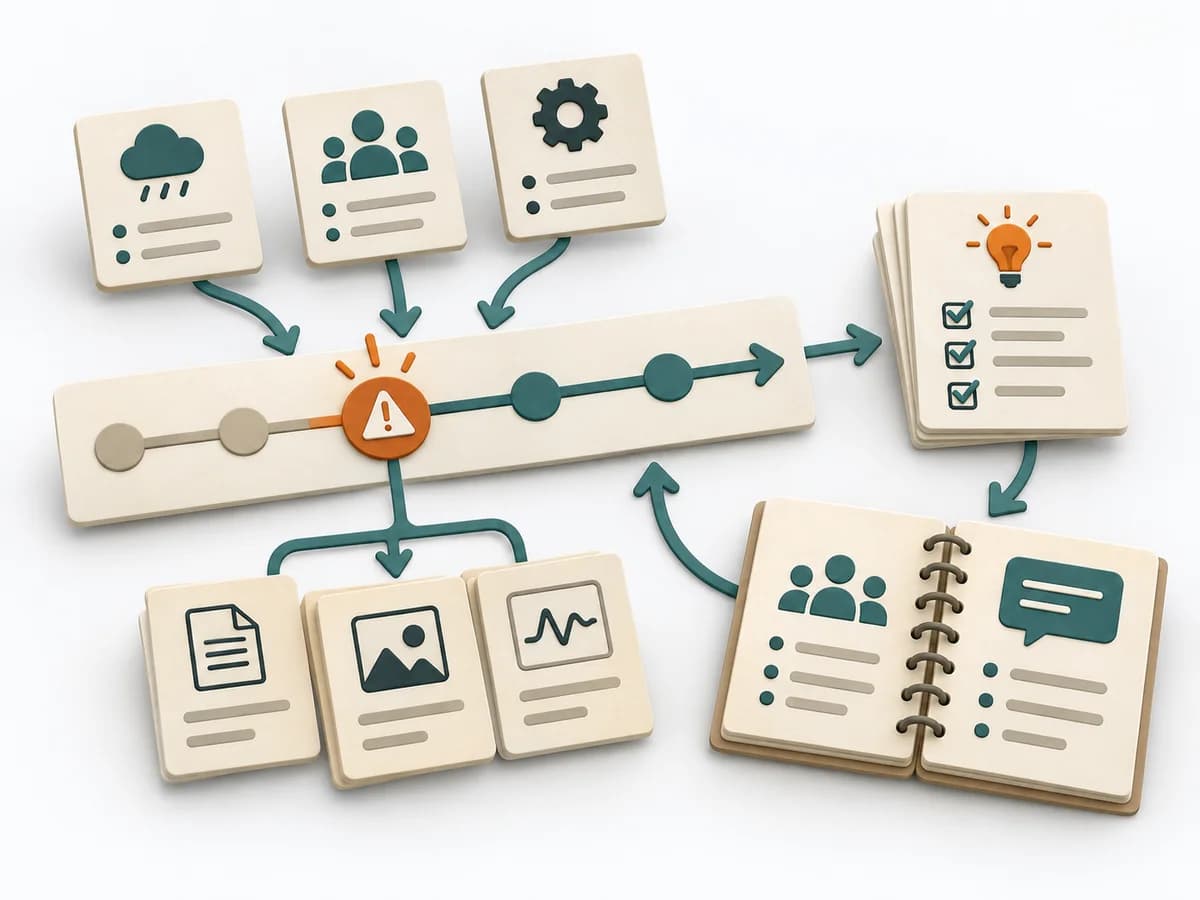 DevOps Blameless Postmortem | 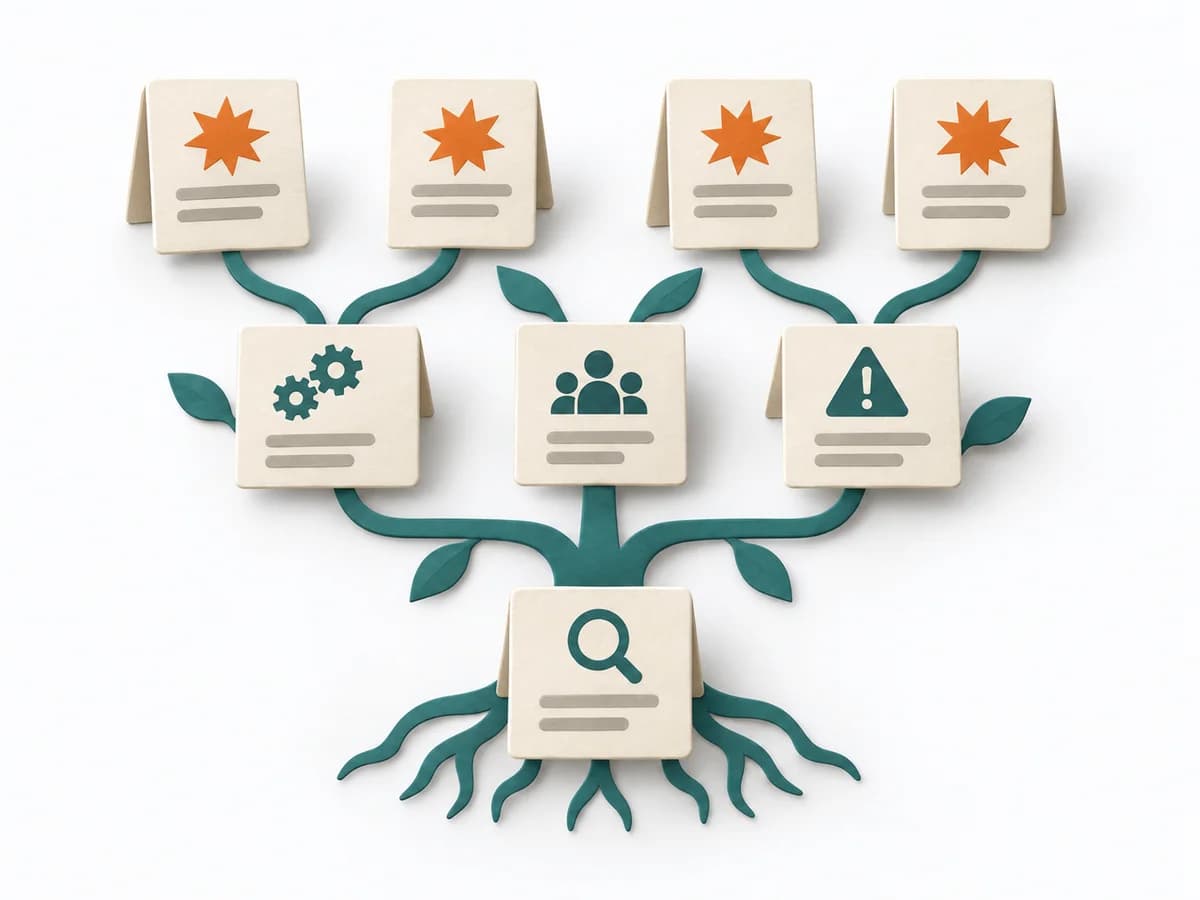 Operations Family Tree Analysis | 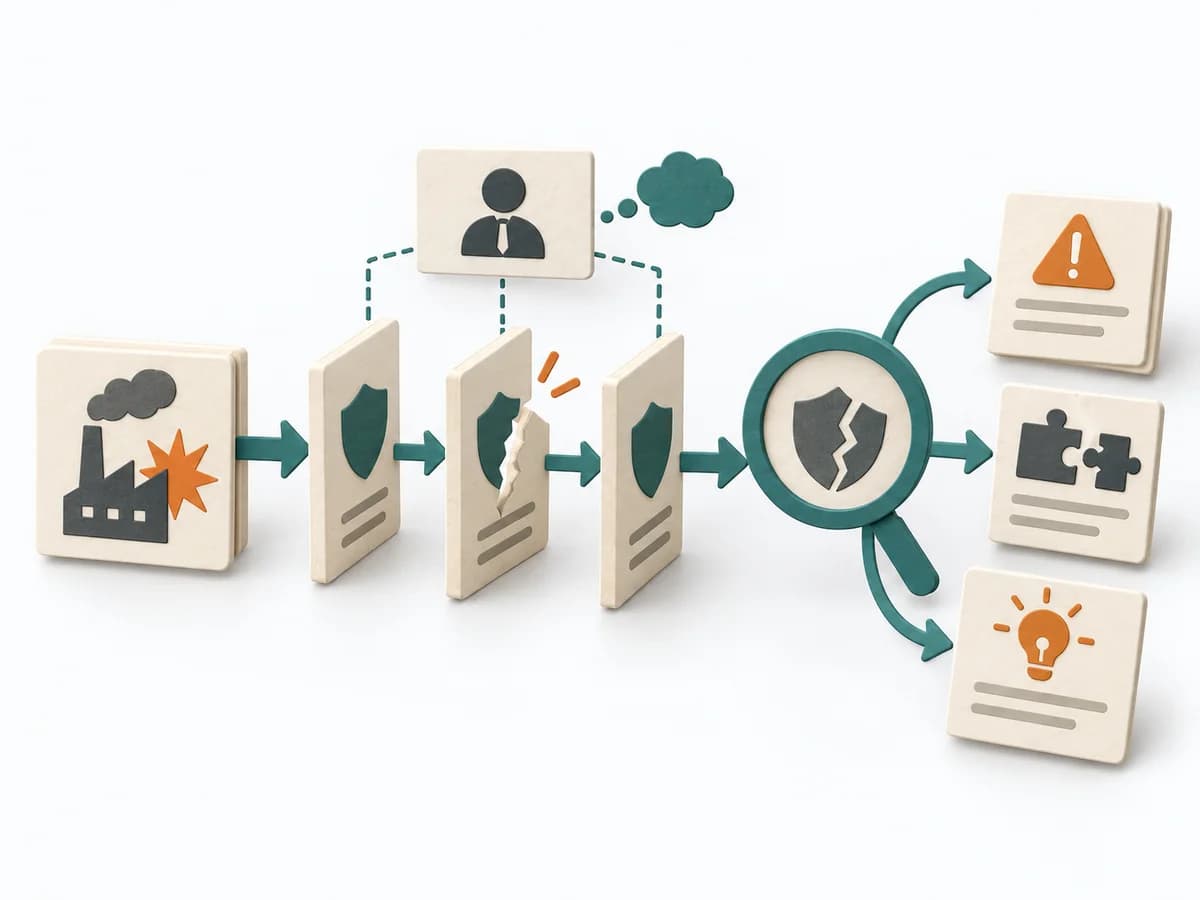 Operations MORT Analysis |
|---|---|---|---|---|
Purposedifferent | In change initiatives, supporting and restraining forces sit at the table at the same time. Force Field Analysis makes these tensions explicit and shows where change can be pushed forward by strengthening or relieving. | After an incident with damage or a near miss, the method creates a sober field for learning without assigning blame. It directs attention to the course of events, conditions, and effective countermeasures. | For a series of incidents with a similar pattern, the method arranges individual events as branches of a common origin. It makes visible which conditions keep recurring. | For a safety-relevant event or a system with high protection requirements, the method examines where controls failed. It exposes both technical and organizational gaps. |
Complexitydifferent | Low | Medium | Medium | High |
Timedifferent | 45-90 min | 30-90 min | 2-4 h | Mehrere Tage bis Wochen |
Participantsdifferent | 3-12 | 3-12 | 2-6 | 2-6 |
Formatdifferent | Workshop | Workshop + async | Workshop + async | Workshop + async |
Outputdifferent | Force Field Map, Change Levers, Risk Notes | Postmortem Doc, Action Items, Timeline | Family Tree Diagram, Pattern Notes, Systemic Measures | MORT Worksheets, Findings per Branch, Corrective Actions, Systemic Recommendations |
Tagsno overlap | ChangeDecisionStrategy | Site Reliability EngineeringIncidentLearningReliability | Root causePatternsIncidentSystemic | Root causeSafetySystemicIncident |