View methods side by side.
Choose up to four methods. Add them using the search and share the comparison by copying its link.
| Criterion |  Decision Making Force Field Analysis |  Decision Making Assumption Surfacing | 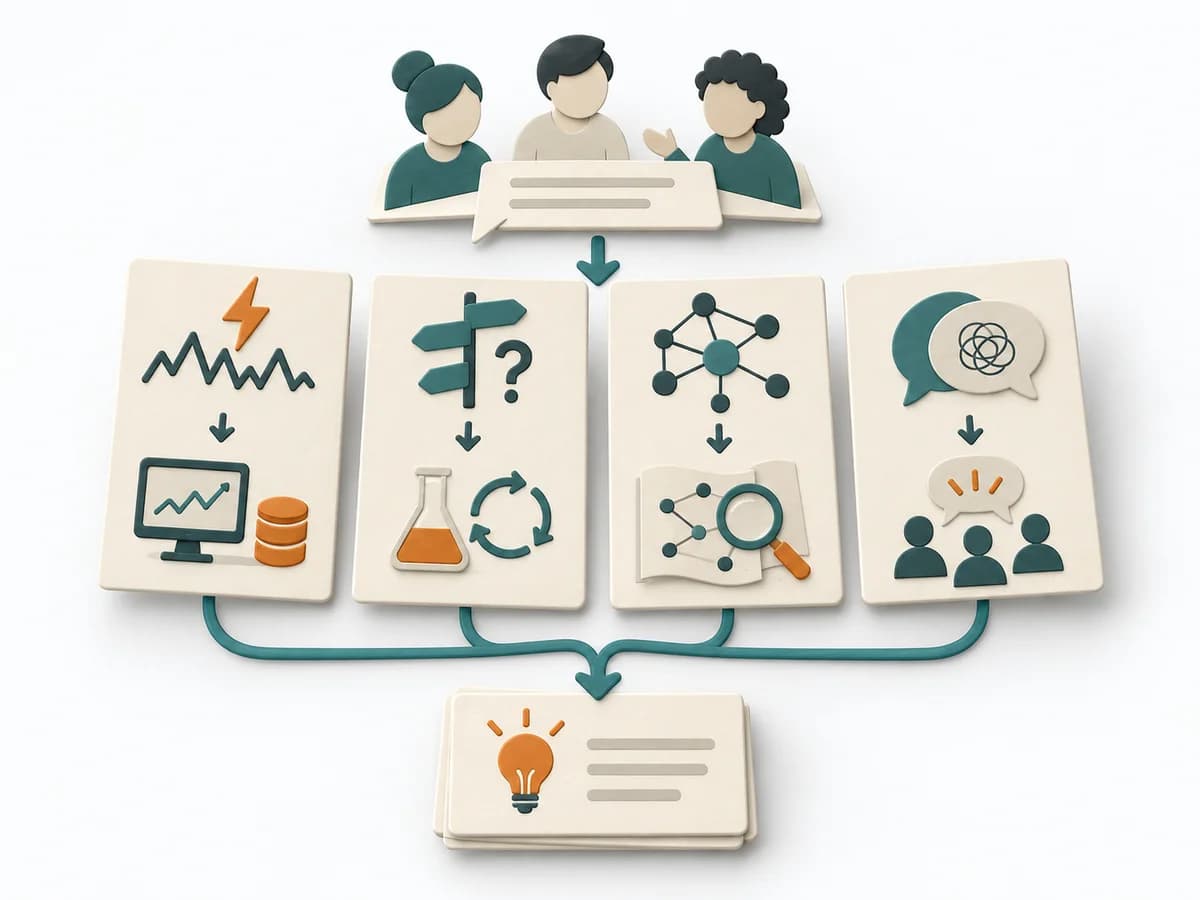 Systems Thinking VUCA Scan | 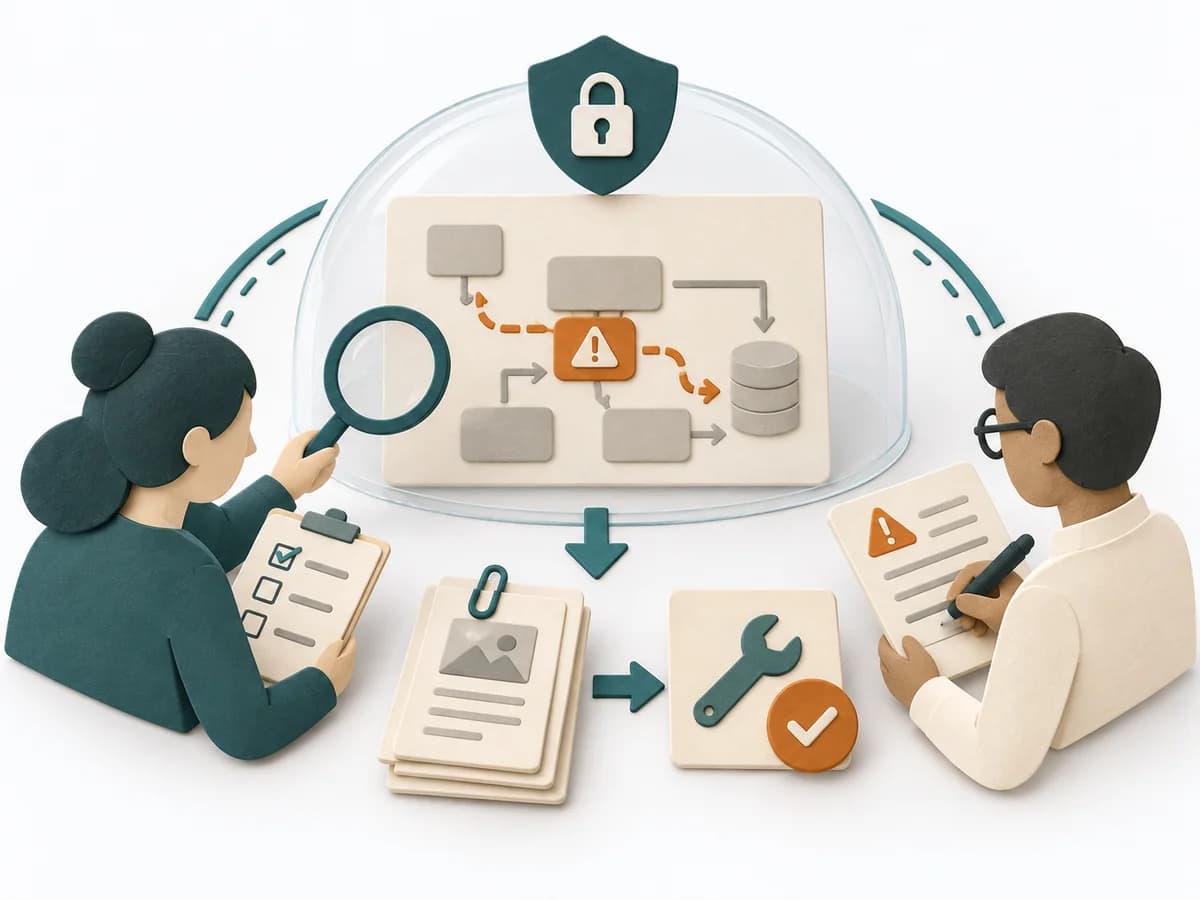 Decision Making Red Teaming |
|---|---|---|---|---|
Purposedifferent | In change initiatives, supporting and restraining forces sit at the table at the same time. Force Field Analysis makes these tensions explicit and shows where change can be pushed forward by strengthening or relieving. | Plans often contain assumptions that were never openly stated and remain dangerous precisely because of that. Assumption Surfacing makes these silent premises visible and prioritizes which of them carry the initiative or could sink it. | The VUCA Scan helps read difficult situations more precisely. Instead of treating unclarity as generally complicated, the method separates fast change, missing knowledge, systemic entanglement, and ambiguous interpretation. | For strategic decisions with high reach, agreement and gut feeling are often not enough. Red teaming brings deliberate opposition into the situation and tests where a plan breaks under real counterarguments. |
Complexitydifferent | Low | Low | Low | High |
Timedifferent | 45-90 min | 45-90 min | 30-90 min | 1-4 h |
Participantsdifferent | 3-12 | 2-8 | 1-10 | 3-8 |
Formatdifferent | Workshop | Workshop + async | Workshop + async | Workshop |
Outputdifferent | Force Field Map, Change Levers, Risk Notes | Assumption List, Critical Assumptions, Learning Plan | VUCA Map, Response Options, Signal and Learning Plan | Challenge Findings, Risk Register, Mitigation Plan |
Tagsno overlap | ChangeDecisionStrategy | AssumptionsRiskDecisionDiscovery | SensemakingUncertaintyComplexityStrategyForesight | RiskDecisionSensemaking |