View methods side by side.
Choose up to four methods. Add them using the search and share the comparison by copying its link.
Selected:Failure Mode and Effects AnalysisScatter DiagramCurrent Reality TreeTheory of Constraints Thinking Process
| Criterion |  Operations Failure Mode and Effects Analysis | 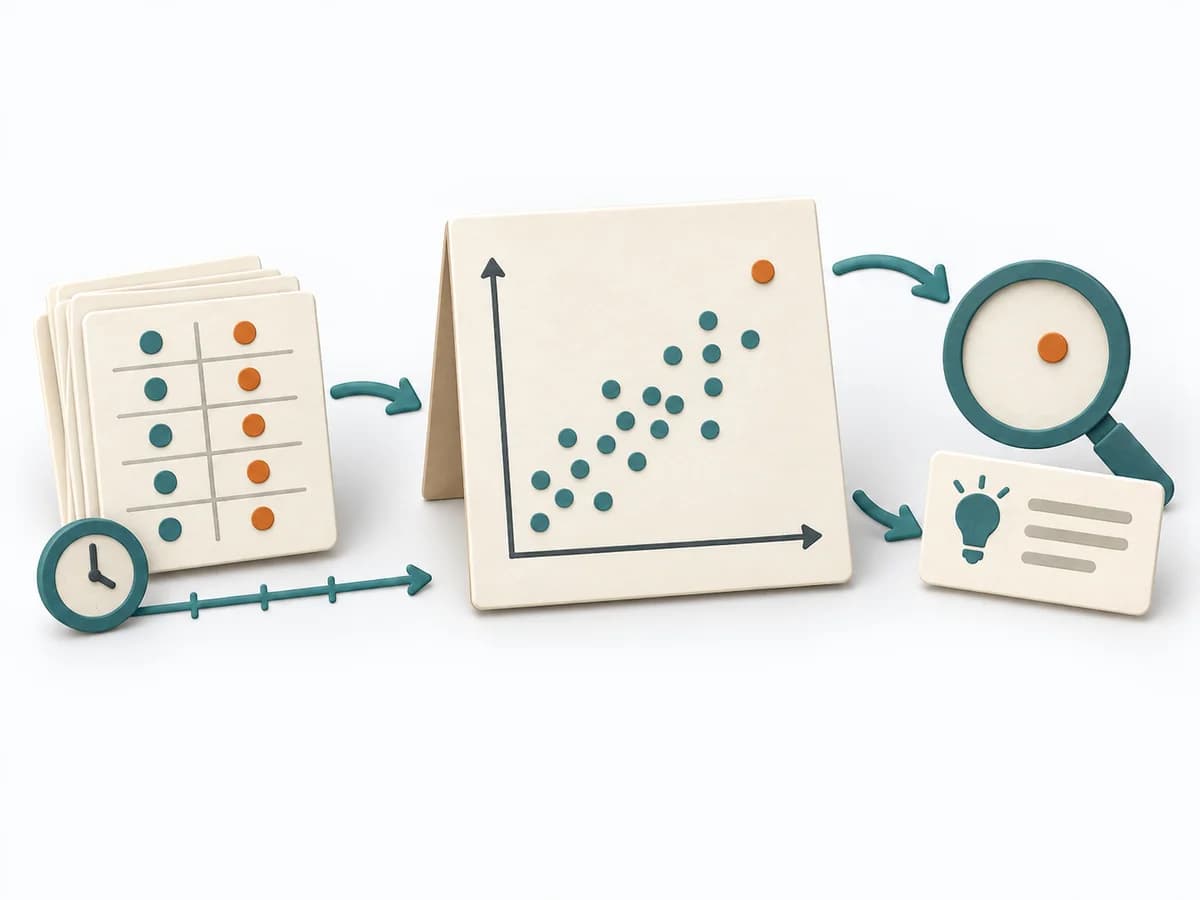 Operations Scatter Diagram |  Systems Thinking Current Reality Tree | 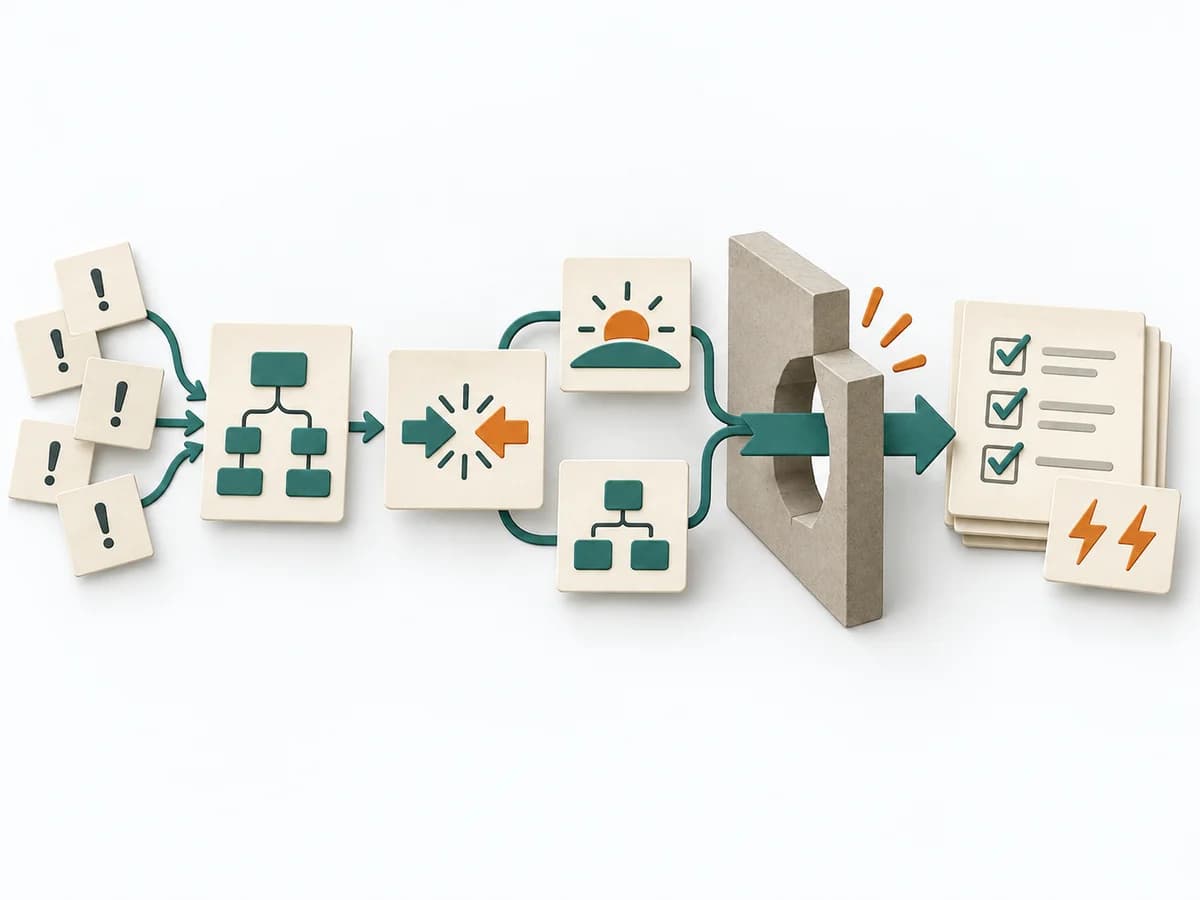 Systems Thinking Theory of Constraints Thinking Process |
|---|---|---|---|---|
Purposedifferent | For a process, product, or service with noticeable failure risks, the method assesses possible failure modes in advance. It directs attention to combinations of occurrence, effect, and detectability. | When the question is whether two measures are related, the method makes patterns in the data picture visible. It separates felt correlations from relationships that actually show up in the data. | A Current Reality Tree condenses many symptoms into a few causal chains. The method makes visible which core problems drive several negative effects at once. | The Theory of Constraints Thinking Process exposes a system's bottleneck and the logic behind it. It suits situations where many symptoms trace back to the same limiting relationship. |
Complexitydifferent | High | Low | High | High |
Timedifferent | 2-6 h | 30-90 min | 2-6 h | 0.5-3 Tage |
Participantsdifferent | 3-10 | 1-4 | 3-8 | 4-10 |
Formatdifferent | Workshop | Workshop + async | Workshop | Workshop |
Outputdifferent | FMEA Table, Risk Priority, Mitigation Actions | Scatter Plot, Korrelationsnotiz, Hypothesenliste | Current Reality Tree, Core Problems, Intervention Ideas | Current Reality Logic, Conflict Cloud, Future Reality Tree, Implementation Obstacles |
Tagsno overlap | RiskQualityOperationsRoot cause | Root causeQualityVisualization | Systems thinkingRoot causeConstraintsCausality | Theory of ConstraintsConstraintsSystems thinkingCausality |