View methods side by side.
Choose up to four methods. Add them using the search and share the comparison by copying its link.
| Criterion |  Growth Flywheel | 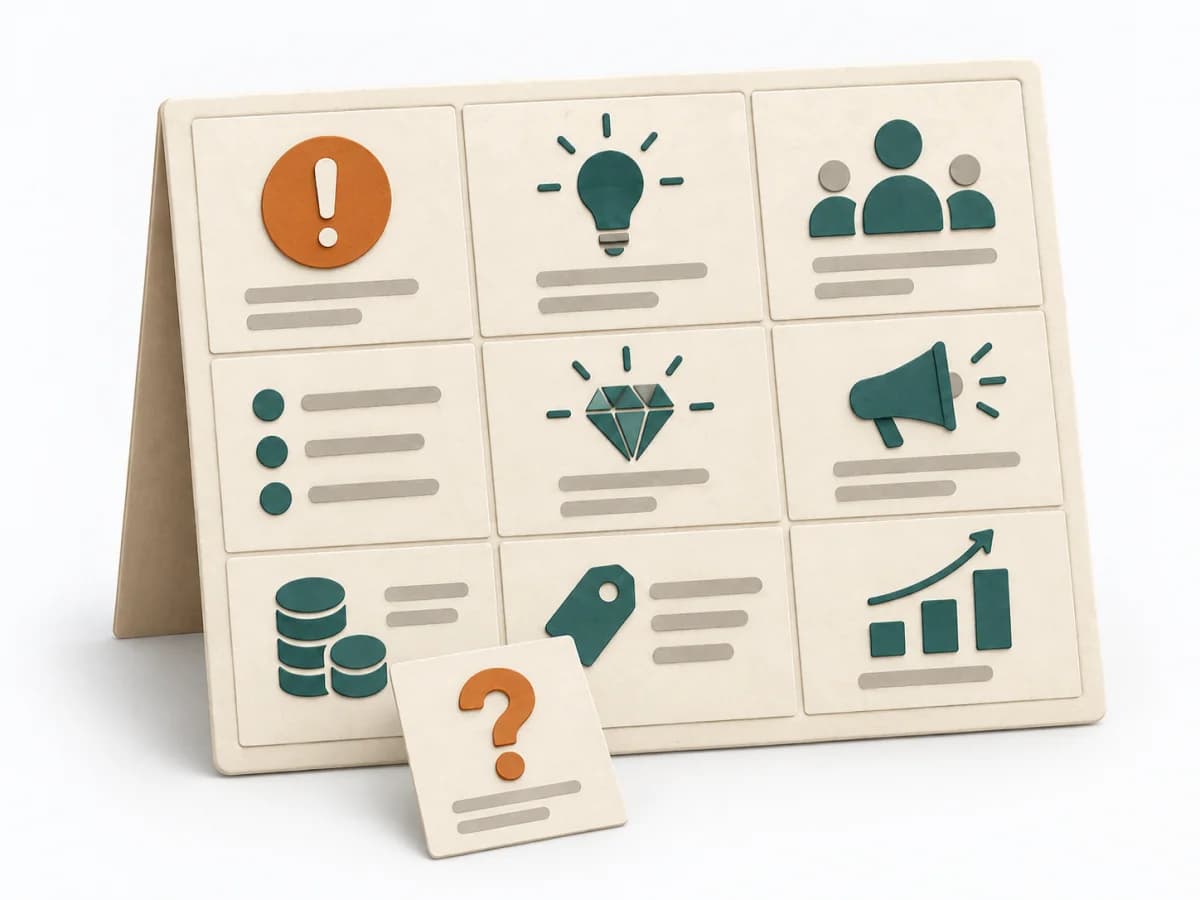 Product Strategy Lean Canvas | 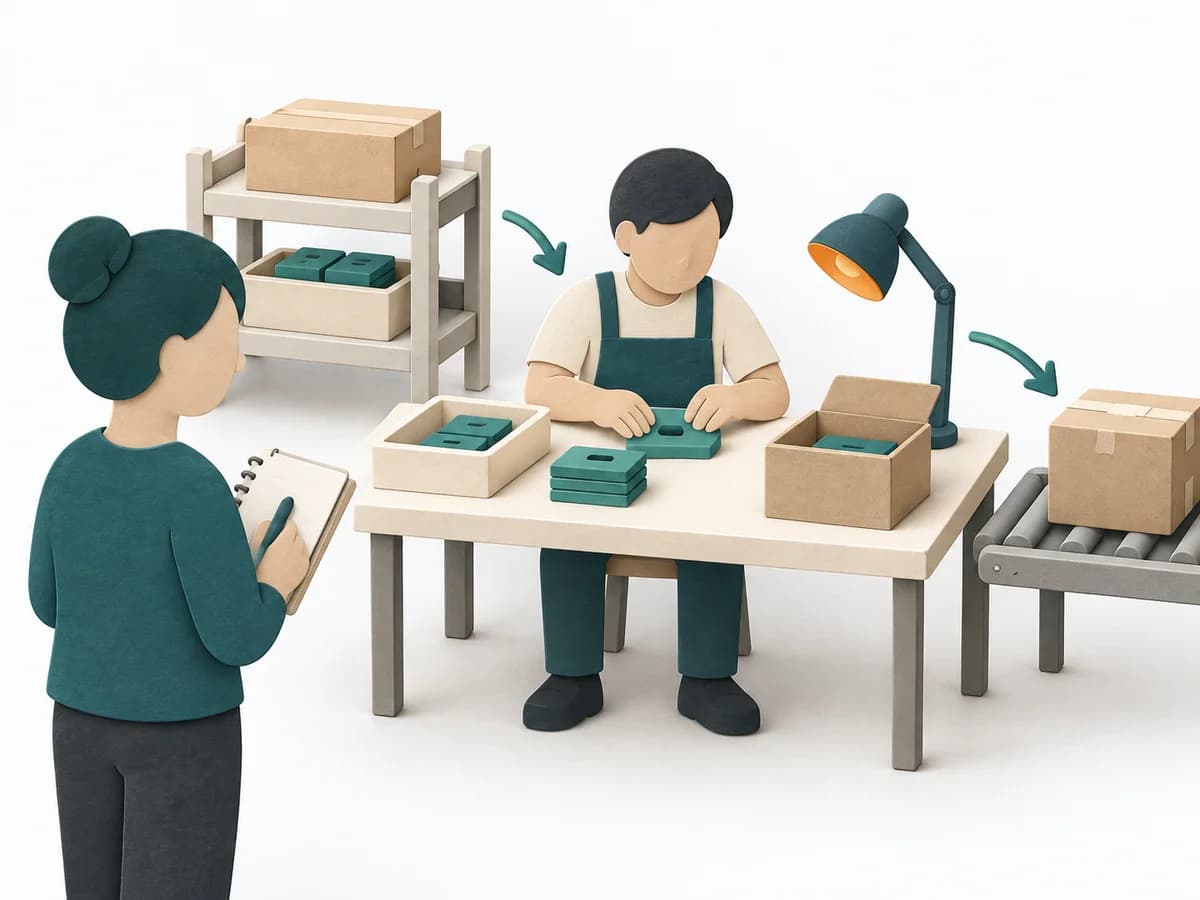 Operations Gemba Walk | 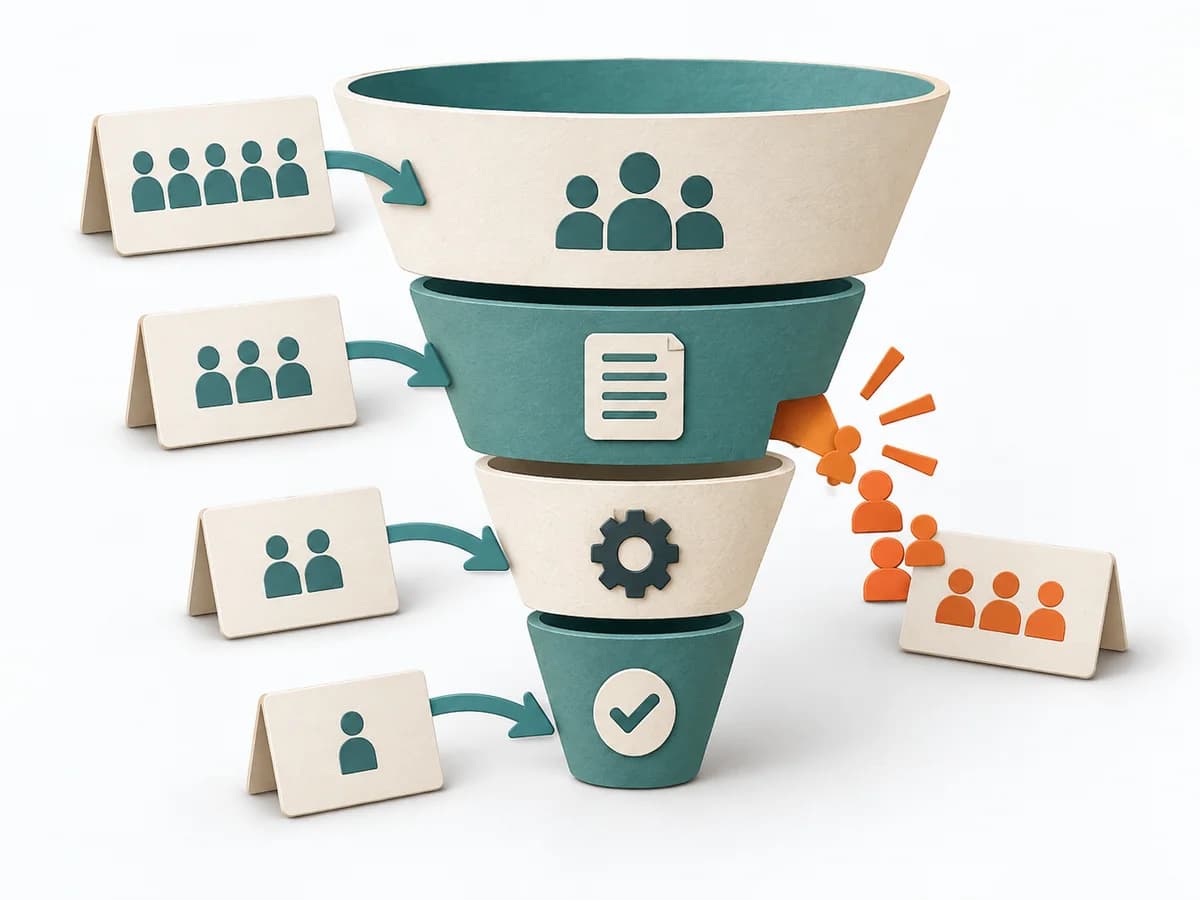 Growth Funnel Analysis |
|---|---|---|---|---|
Purposedifferent | Growth often breaks down where a reinforcing mechanism builds up too much friction. A Flywheel shows the cycle of value, repetition, and reinforcement meant to sustain growth. | When an early product bet still has too many open points, it brings target group, problem, and assumptions into a single view. It condenses the idea so core risks become nameable. | When there is uncertainty about the real course of a process, the method brings observation to the place where work happens. It combines perception, follow-up questions, and process knowledge so decisions rest on actual workflows instead of assumptions. | When many visitors or users drop off along the way, the reason behind the number often stays hidden. Funnel Analysis exposes these transitions and makes visible exactly where the path collapses. |
Complexitydifferent | Medium | Medium | Low | Medium |
Timedifferent | 60-120 min | 45-90 min | 30-120 min | 1-3 h |
Participantsdifferent | 3-8 | 1-6 | 2-6 | 1-5 |
Formatdifferent | Workshop | Workshop + async | Workshop | Async |
Outputdifferent | Flywheel Map, Friction Points, Growth Levers, Experiment Backlog | Lean Canvas, Core Assumptions, Experiment Backlog | Observation Notes, Improvement Ideas | Funnel report, Drop-off analysis, Optimization hypotheses |
Tagsno overlap | GrowthRetentionConversion | StartupLeanAssumptionsBusiness model | LeanObservationProcessOperations | AnalyticsConversionGrowth |