View methods side by side.
Choose up to four methods. Add them using the search and share the comparison by copying its link.
| Criterion | 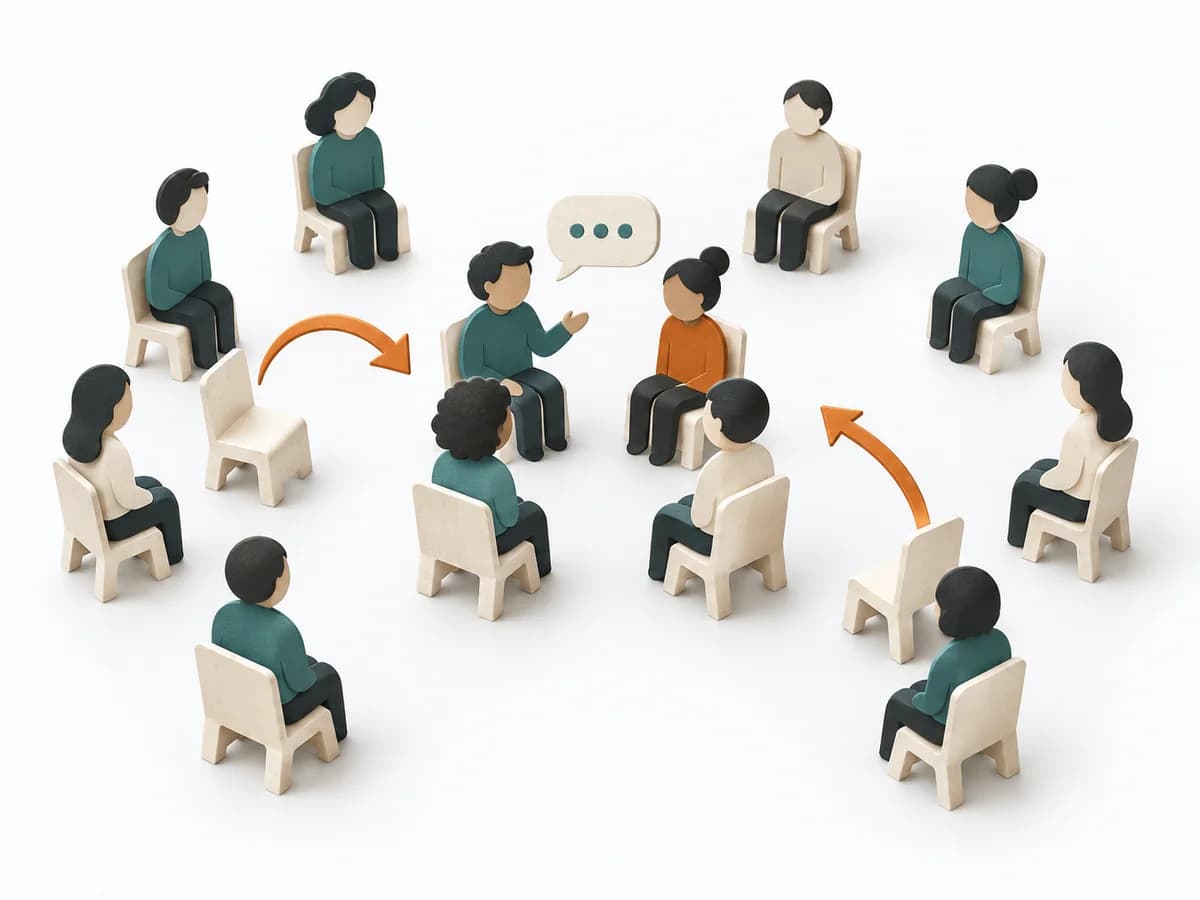 Facilitation Fishbowl Discussion |  Operations Root Cause Analysis | 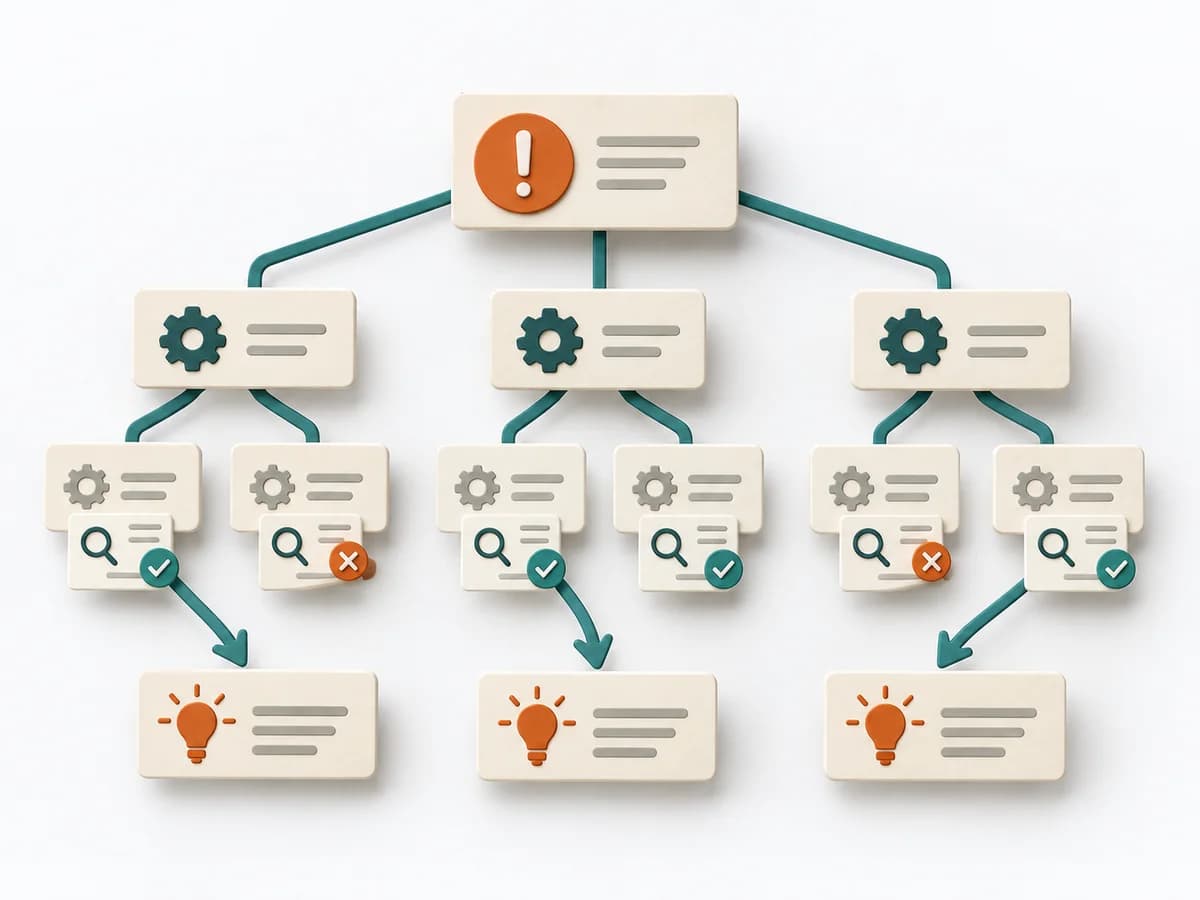 Operations Root Cause Tree Analysis | 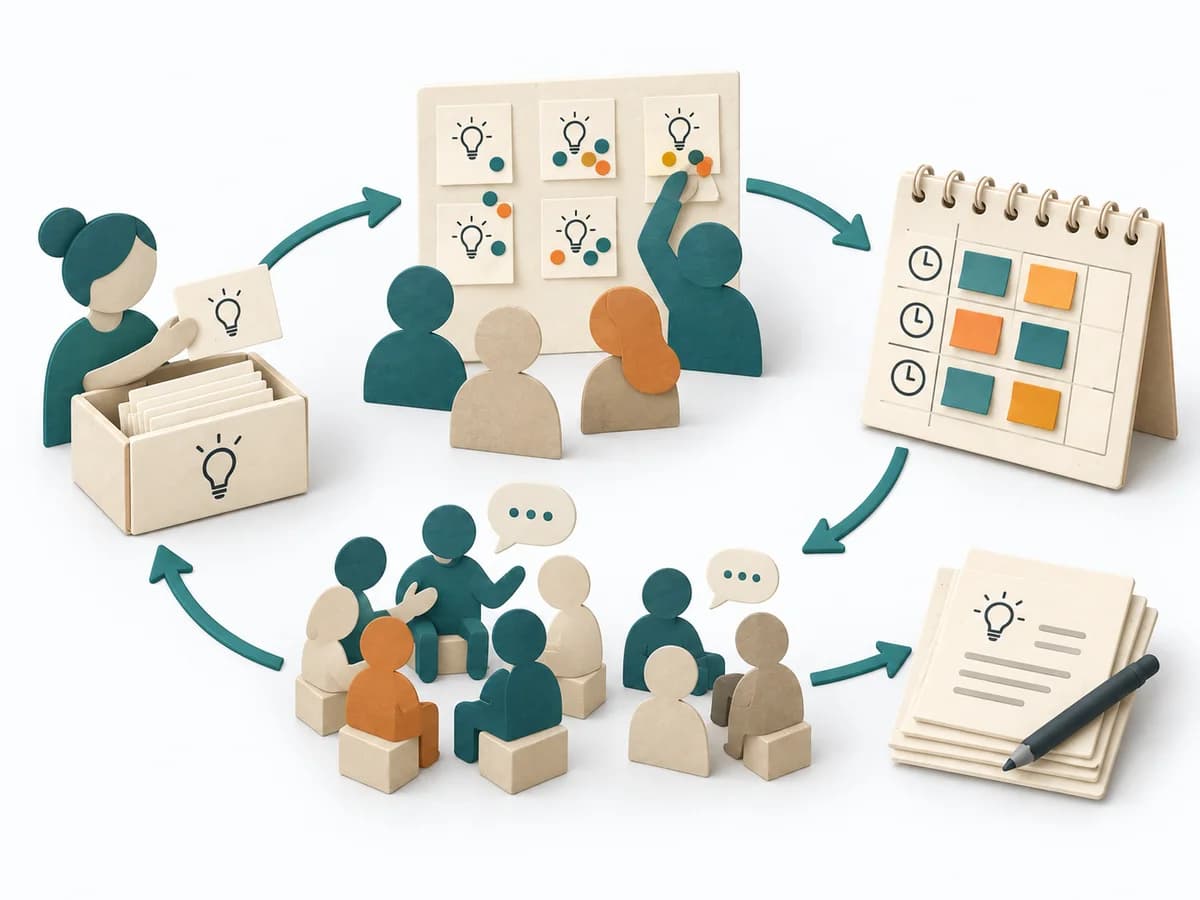 Facilitation Barcamp |
|---|---|---|---|---|
Purposedifferent | When a controversial topic needs depth and discipline at the same time, Fishbowl Discussion makes the structure of the conversation transparent. The format keeps the core small enough for real dialogue and open enough for controlled turnover. | When a problem keeps recurring and the cause stays unclear, the method exposes the underlying mechanism. It separates symptom, guess, and robust explanation from one another. | For a problem with several suspected causes, the method builds a causal structure instead of a mere list. It makes visible how causes connect and where the strongest points of leverage lie. | When many people can contribute knowledge and the flow should stay open, Barcamp provides a framework for self-organized sessions. The format channels energy without defining the content too narrowly in advance. |
Complexitysame | Medium | Medium | Medium | Medium |
Timedifferent | 45-90 min | 1-4 h | 1-3 h | Halber Tag bis 2 Tage |
Participantsdifferent | 8-80 | 3-8 | 2-8 | 15-200 |
Formatdifferent | Workshop | Workshop + async | Workshop | Workshop |
Outputdifferent | Discussion Insights, Observed Tensions, Follow-up Questions | Problem Statement, Cause Hypotheses, Confirmed Causes, Action Plan | Cause Tree, Evidence Notes, Countermeasures | Session Board, Session Notes, Community Learnings |
Tagsno overlap | FacilitationDialogueLarge group | Root causeProblem solvingQualityIncident | Root causeTreeIncidentQuality | FacilitationLarge groupLearning |