View methods side by side.
Choose up to four methods. Add them using the search and share the comparison by copying its link.
| Criterion |  Knowledge Modeling Feynman Technique | 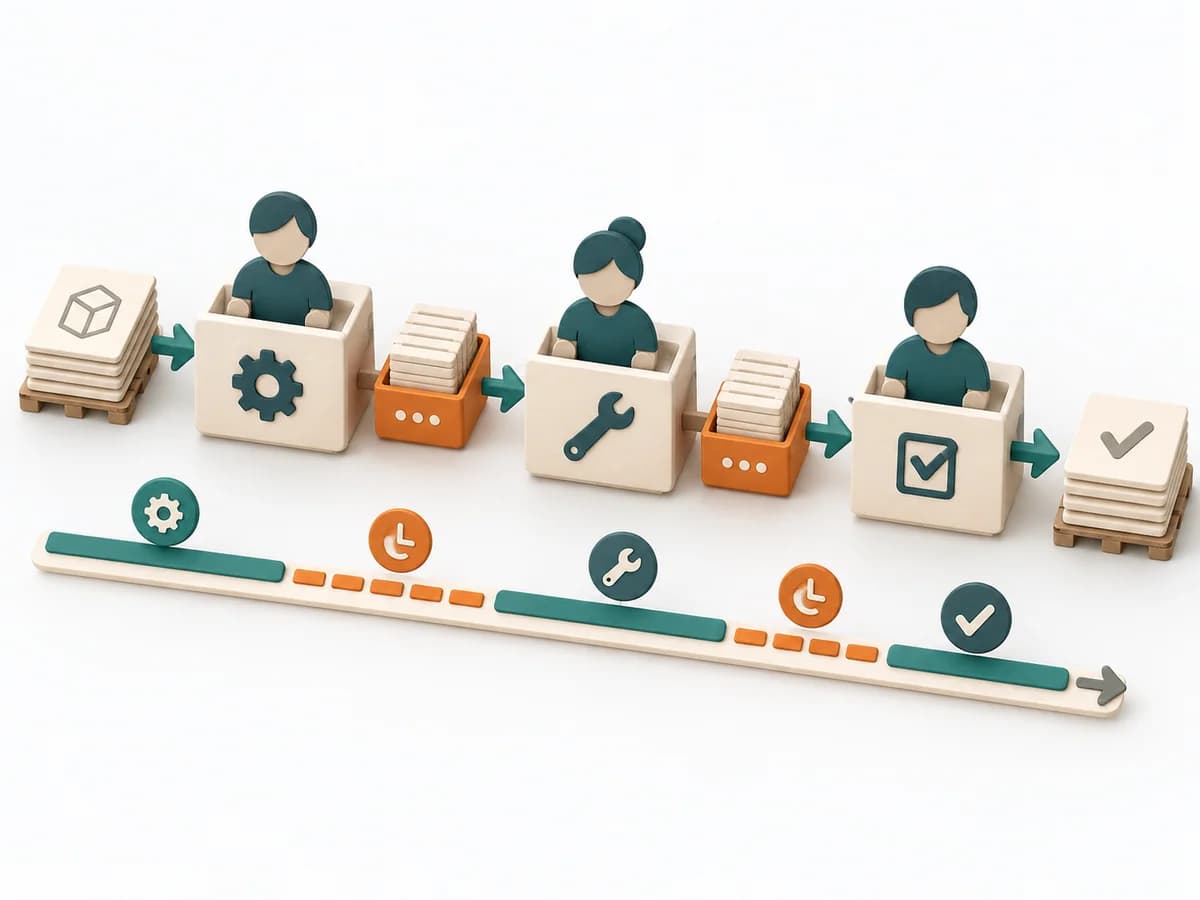 Delivery Value Stream Mapping | 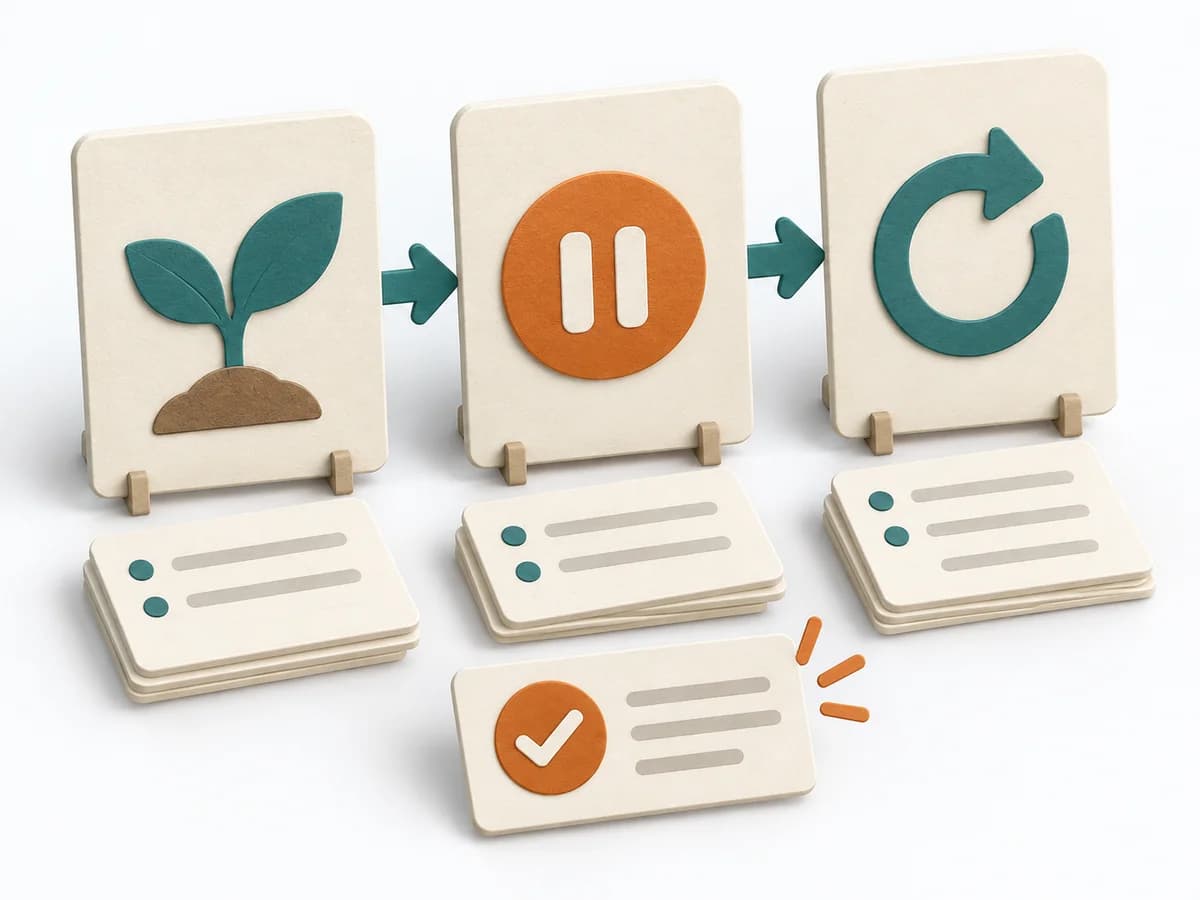 Agile Start Stop Continue | 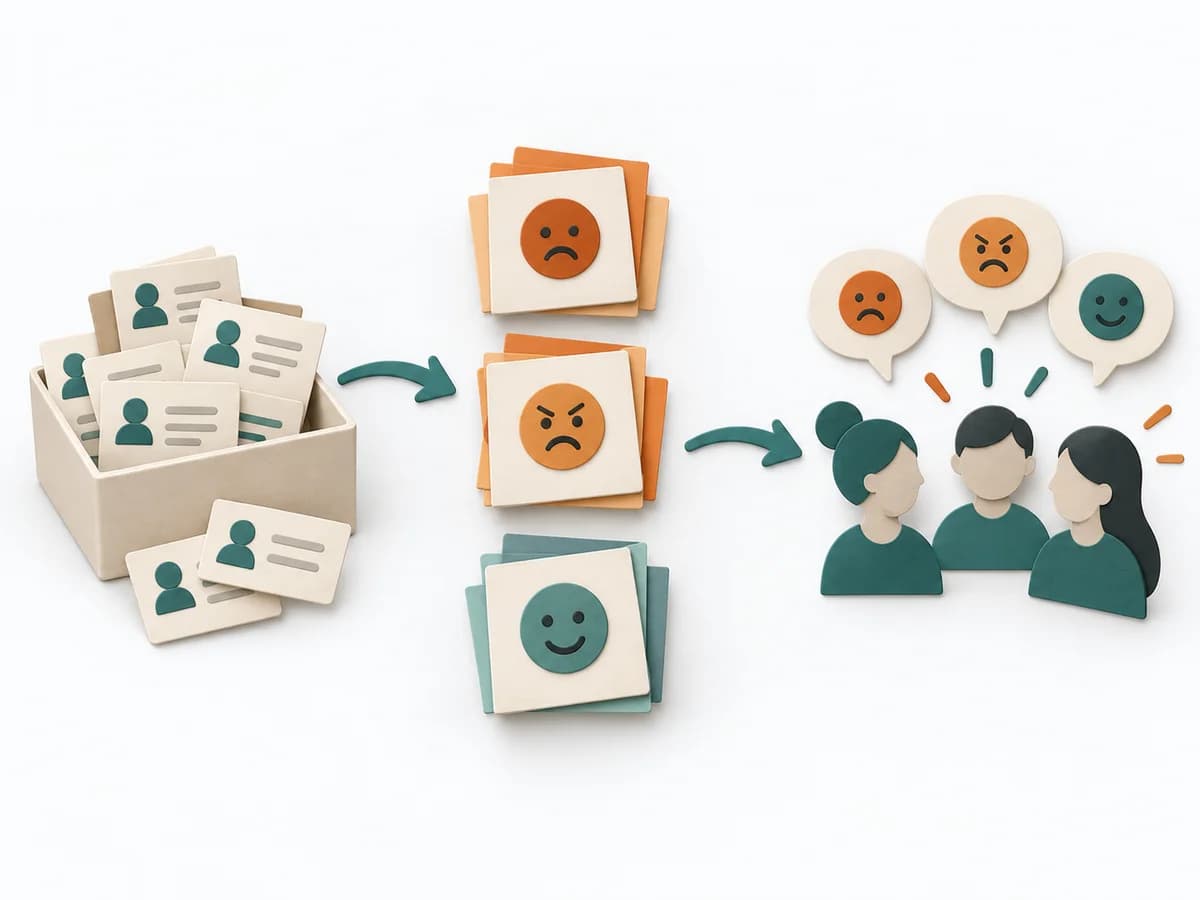 Agile Mad Sad Glad |
|---|---|---|---|---|
Purposedifferent | The Feynman Technique checks understanding by explaining a topic so that it stays easy for others to understand. It makes knowledge gaps visible before they become costly in everyday work. | When delivery work dissolves into wait times, handoffs, and hidden effort, Value Stream Mapping makes the actual flow visible. The method exposes bottlenecks, idle time, and feedback loops so lead time and improvement levers become tangible. | When a team wants to deliberately adjust its working behavior, it makes habits visible and assessable. It focuses on concrete changes instead of diffuse mood. | When a team's or workshop's mood needs to become readable, it structures emotional signals with little setup. It makes strain, relief, and sources of energy tangible. |
Complexitydifferent | Low | Medium | Low | Low |
Timedifferent | 20-60 min | 1-3 h | 30-60 min | 30-60 min |
Participantsdifferent | 1 | 4-10 | 3-12 | 3-10 |
Formatdifferent | Async | Workshop | Workshop | Workshop |
Outputdifferent | Plain-language Explanation, Knowledge Gaps, Study Notes | Current-state map, Future-state map, Bottleneck list | Start Stop Continue Board, Improvement Actions | Emotion Board, Themes, Action Items |
Tagsno overlap | LearningKnowledgeUnderstanding | LeanFlowWasteDelivery | RetrospectiveImprovementTeamReflection | RetrospectiveTeamReflection |