View methods side by side.
Choose up to four methods. Add them using the search and share the comparison by copying its link.
| Criterion |  Knowledge Modeling Feynman Technique |  Operations Time Blocking | 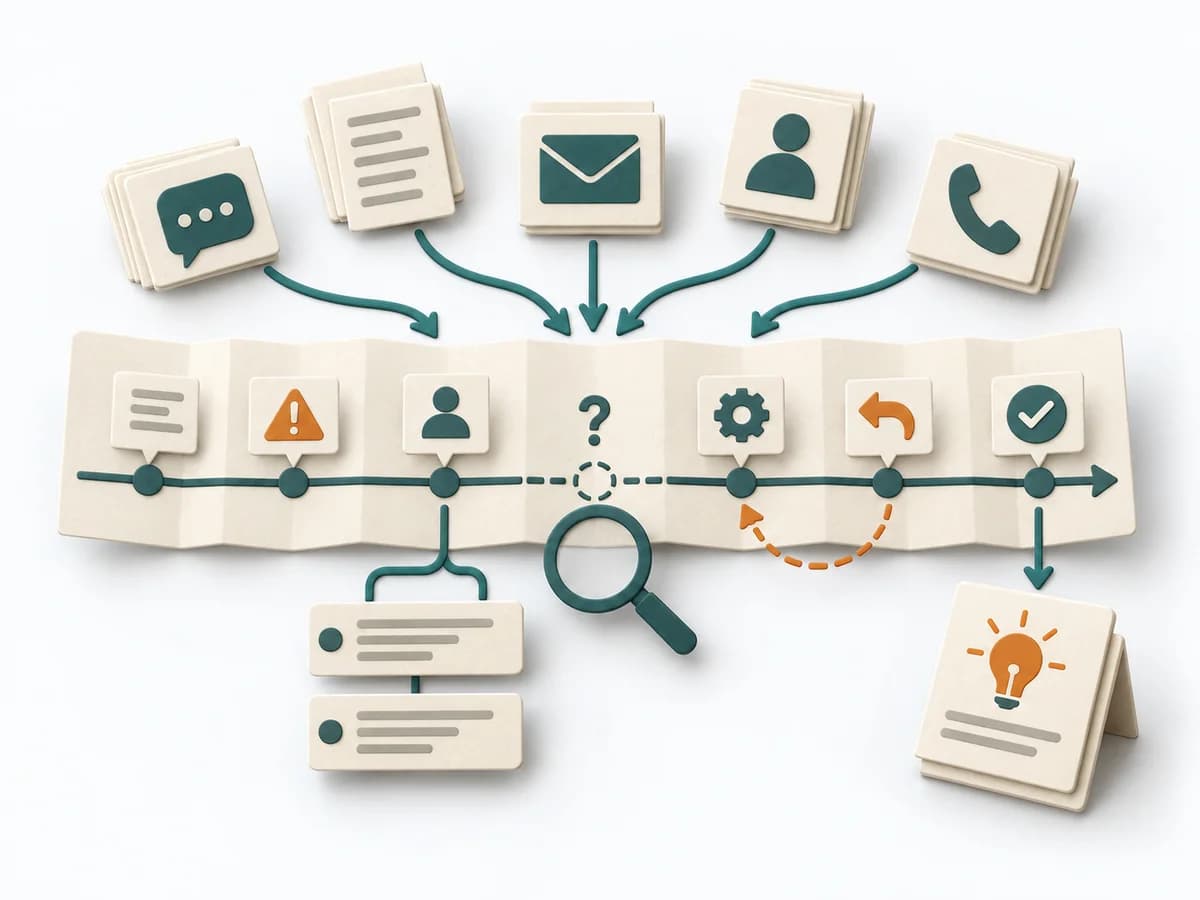 DevOps Incident Timeline Analysis | 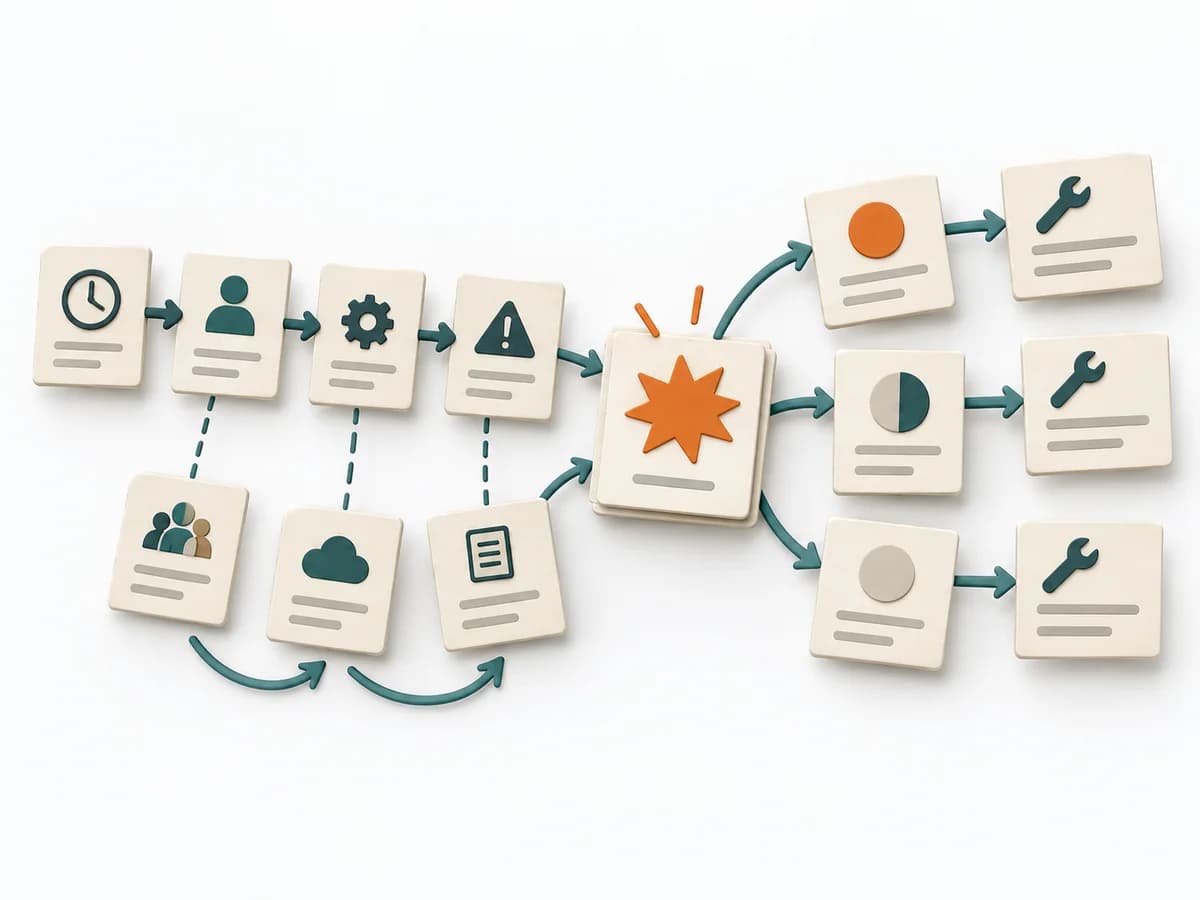 Operations Causal Factor Analysis |
|---|---|---|---|---|
Purposedifferent | The Feynman Technique checks understanding by explaining a topic so that it stays easy for others to understand. It makes knowledge gaps visible before they become costly in everyday work. | With a calendar that grows on request, the method makes available time explicit again. It combines appointments, focus work, and buffer into a more realistic day structure. | For an incident with an unclear sequence, the method makes the timeline precisely visible. It separates perception, reaction, and delay so cause and effect become more clearly readable. | For an event with a complicated course, the method breaks down the contributing factors along the timeline. It shows how conditions, decisions, and reactions together produce a course of events. |
Complexitydifferent | Low | Low | Medium | High |
Timedifferent | 20-60 min | 15-30 min Planung, laufend | 60-180 min | 2-6 h |
Participantsdifferent | 1 | 1 | 3-10 | 3-10 |
Formatdifferent | Async | Async | Workshop + async | Workshop + async |
Outputdifferent | Plain-language Explanation, Knowledge Gaps, Study Notes | Blocked Calendar, Capacity View, Focus Plan | Incident Timeline, Evidence Log, Delay Analysis, Improvement Actions | Event Timeline, Causal Factor Chart, Cause List, Corrective Actions |
Tagsno overlap | LearningKnowledgeUnderstanding | PlanningTime managementFocus | IncidentTimelineSite Reliability Engineering | CausalityIncidentRoot causeTimeline |