View methods side by side.
Choose up to four methods. Add them using the search and share the comparison by copying its link.
| Criterion |  Operations Fault Tree Analysis |  Knowledge Modeling Linked Open Terms | 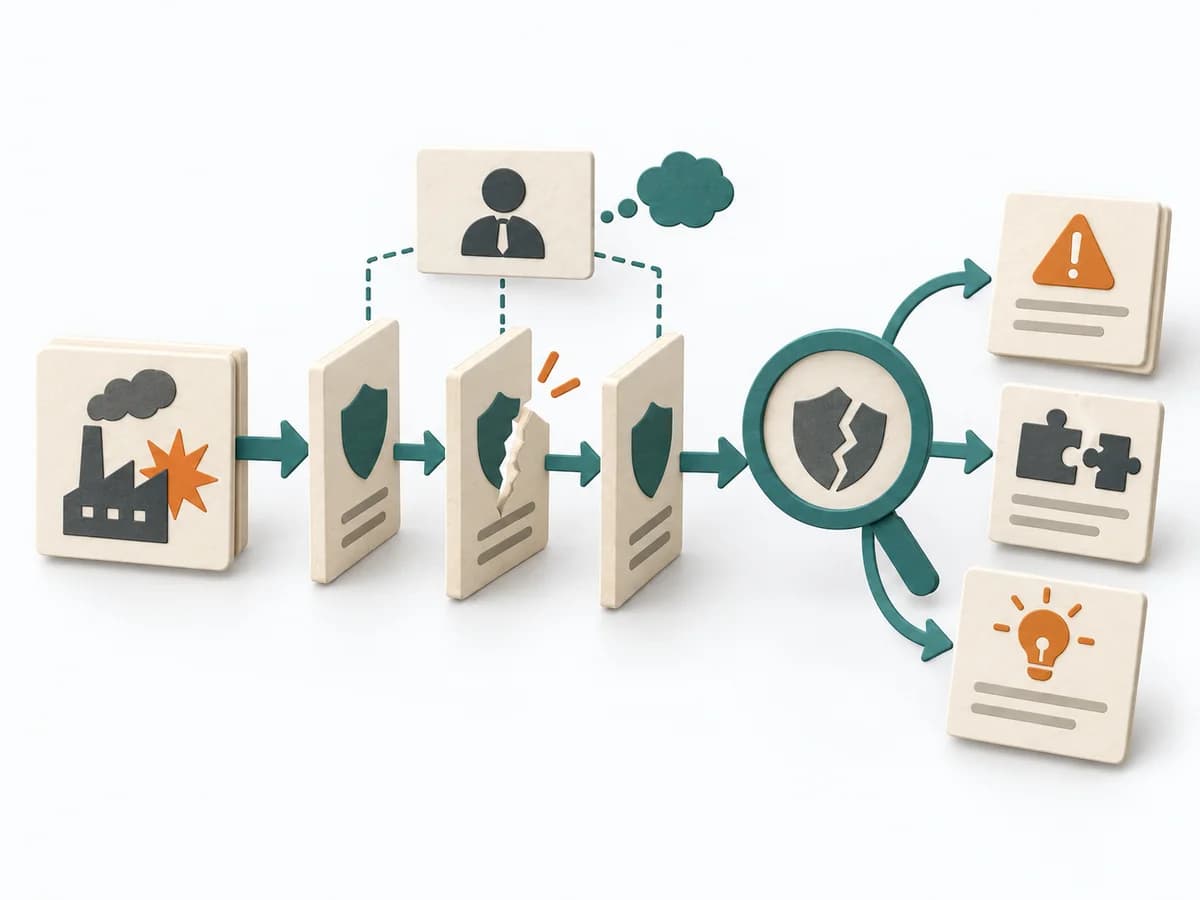 Operations MORT Analysis | 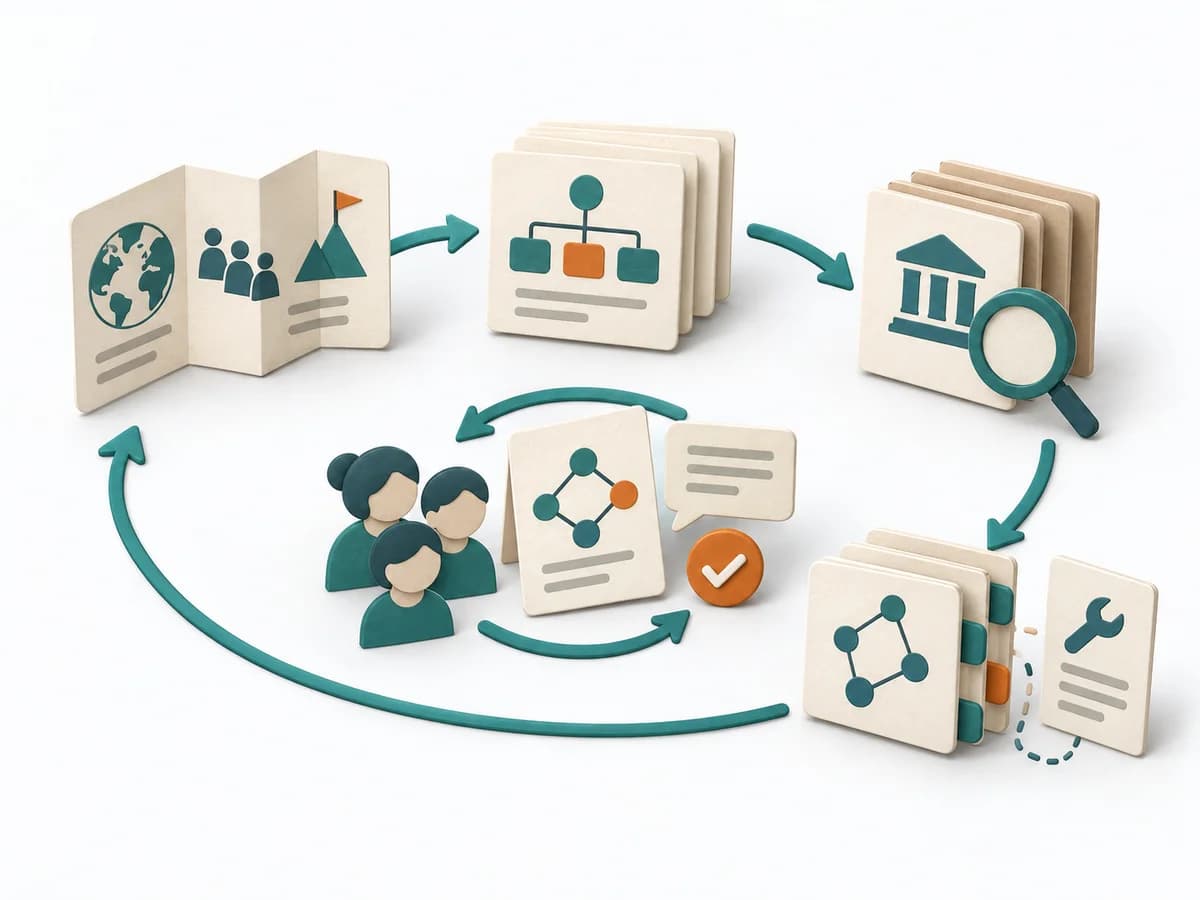 Knowledge Modeling NeOn Methodology |
|---|---|---|---|---|
Purposedifferent | For a critical top event with several possible triggers, the method logically models failure paths. It makes visible which combinations of conditions can lead to damage. | Linked Open Terms connects terminology work with linked-data thinking and makes terminology technically connectable. Vocabulary, meanings, and references can thereby be maintained consistently. | For a safety-relevant event or a system with high protection requirements, the method examines where controls failed. It exposes both technical and organizational gaps. | The NeOn Methodology structures ontology work as a controlled process with reuse, scenarios, and reviews. It is useful when ontologies should not emerge ad hoc but modularly and reusably. |
Complexitydifferent | High | Medium | High | High |
Timedifferent | 2-6 h | Wochen bis Monate | Mehrere Tage bis Wochen | Mehrere Wochen bis Monate |
Participantsdifferent | 3-8 | 2-8 | 2-6 | 2-10 |
Formatsame | Workshop + async | Workshop + async | Workshop + async | Workshop + async |
Outputdifferent | Fault Tree, Critical Paths, Cause Hypotheses, Control Actions | Ontology Requirements, Conceptual Model, Published Ontology, Documentation, Maintenance Plan | MORT Worksheets, Findings per Branch, Corrective Actions, Systemic Recommendations | Ontology Requirements Specification, Reuse Plan, Ontology Modules, Evaluation Report |
Tagsno overlap | RiskRoot causeSafety | OntologyMethodologyAgileSemantic | Root causeSafetySystemicIncident | OntologyMethodologyReuseSemanticEngineering |