View methods side by side.
Choose up to four methods. Add them using the search and share the comparison by copying its link.
| Criterion | 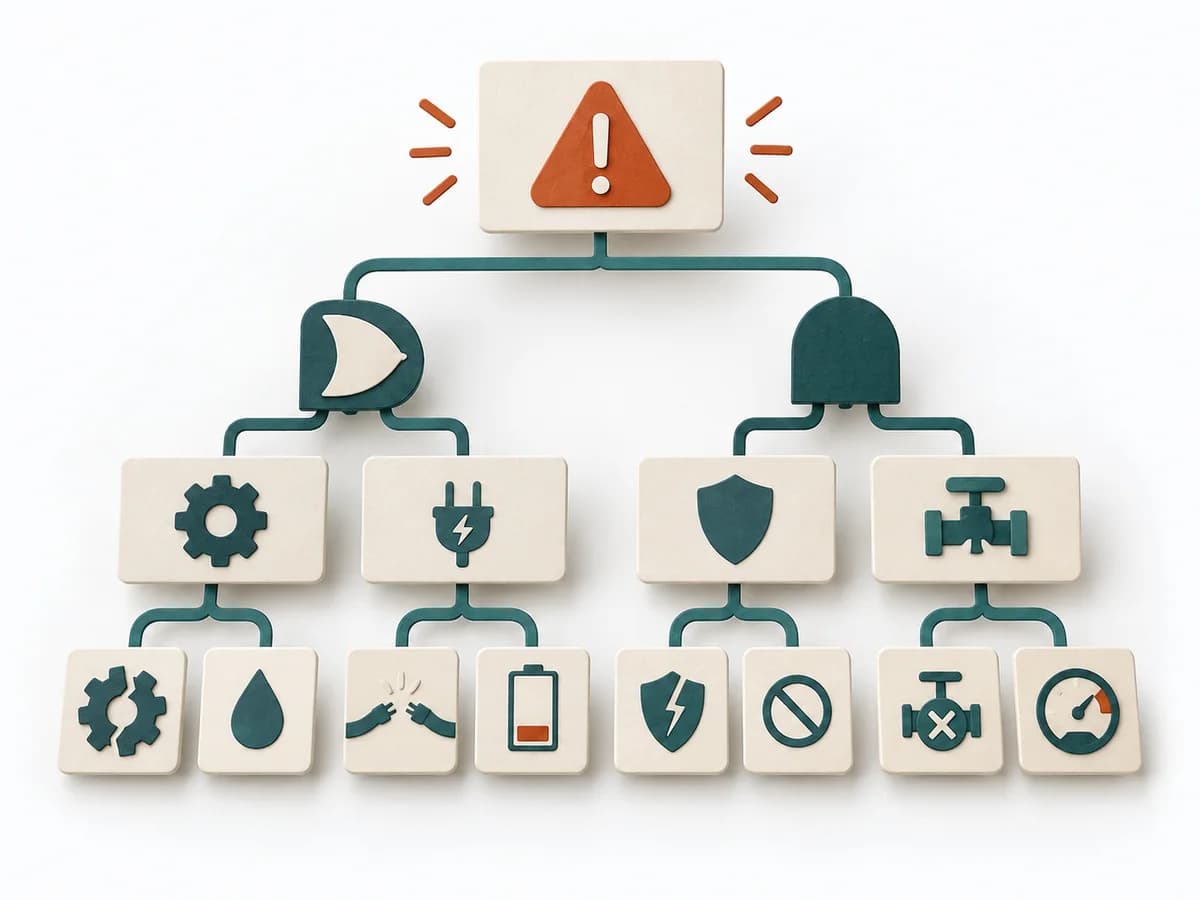 Operations Fault Tree Analysis |  Product Discovery Assumption Mapping | 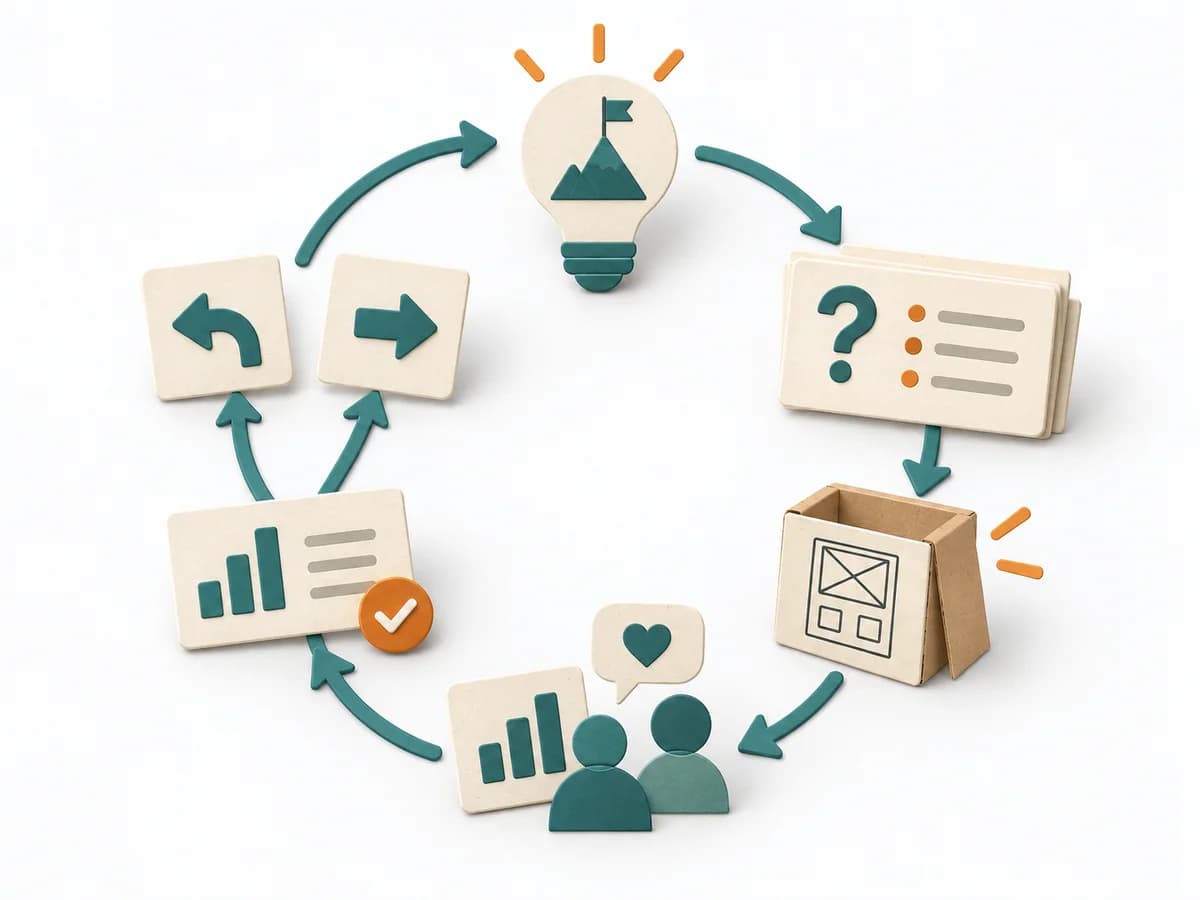 Innovation Lean Startup |  Operations 5 Whys |
|---|---|---|---|---|
Purposedifferent | For a critical top event with several possible triggers, the method logically models failure paths. It makes visible which combinations of conditions can lead to damage. | When assumptions still sit unordered in the room, it weighs uncertainty against leverage. It makes visible which hypotheses should be checked first. | For uncertain business assumptions, the method forces the idea into contact with real market reactions early. It separates wishful picture, assumption, and observable behavior, so that learning becomes faster than planning. This translates uncertainty into measurable insight. | For a single, hard-to-explain deviation, the method exposes the causal chain behind the visible symptom. It keeps the cause open until a controllable condition emerges instead of a mere description. |
Complexitydifferent | High | Medium | Medium | Low |
Timedifferent | 2-6 h | 45-60 min | Wochen bis Monate je Lernzyklus | 15-30 min |
Participantsdifferent | 3-8 | 2-8 | 2-8 | 2-6 |
Formatdifferent | Workshop + async | Workshop + async | Workshop + async | Workshop |
Outputdifferent | Fault Tree, Critical Paths, Cause Hypotheses, Control Actions | Assumption map, Test backlog, Risk ranking | Hypothesis list, MVPs, Learning reports, Pivot or persevere decision | Root cause notes, Countermeasures |
Tagsno overlap | RiskRoot causeSafety | AssumptionsRiskExperimentsValidation | LeanStartupValidationMVP | Root causeIncidentLeanProblem solving |