View methods side by side.
Choose up to four methods. Add them using the search and share the comparison by copying its link.
| Criterion | 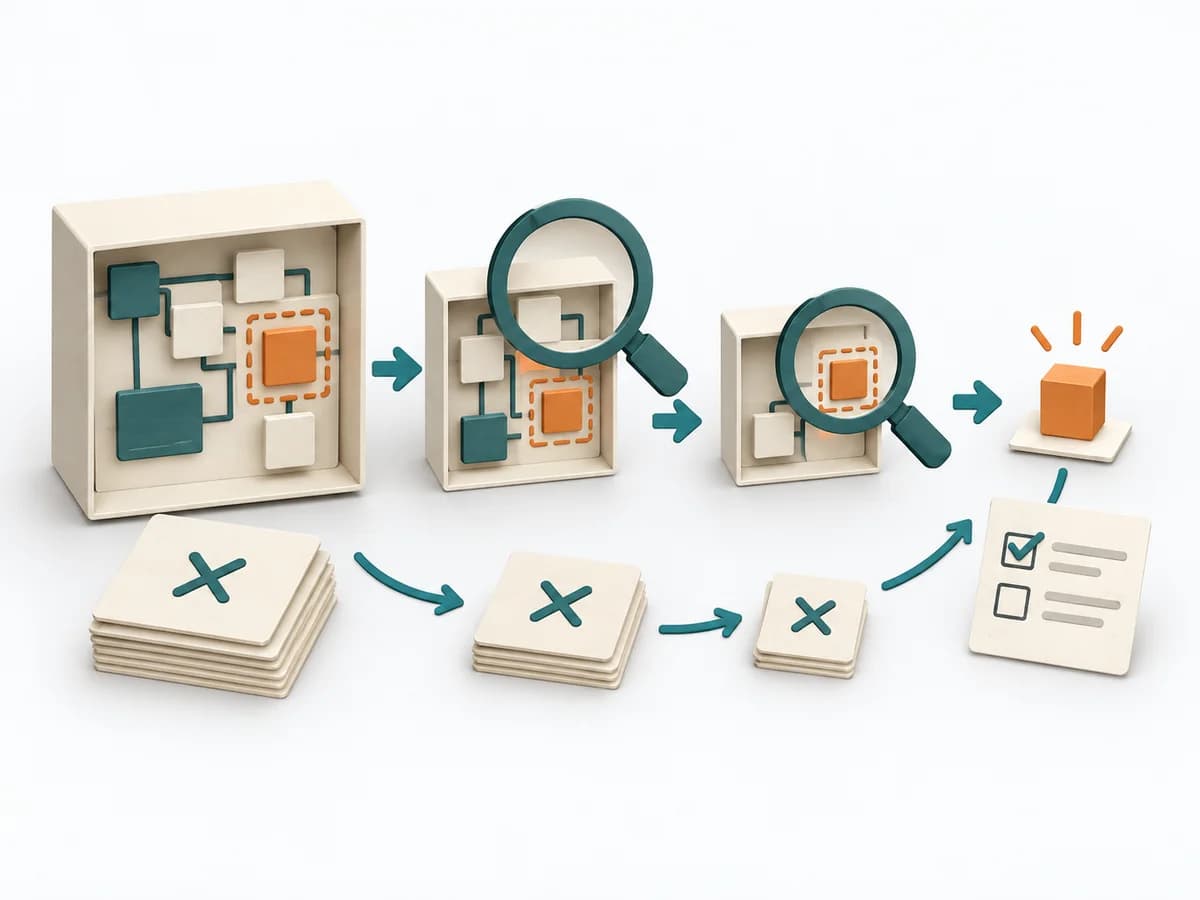 Engineering Fault Isolation | 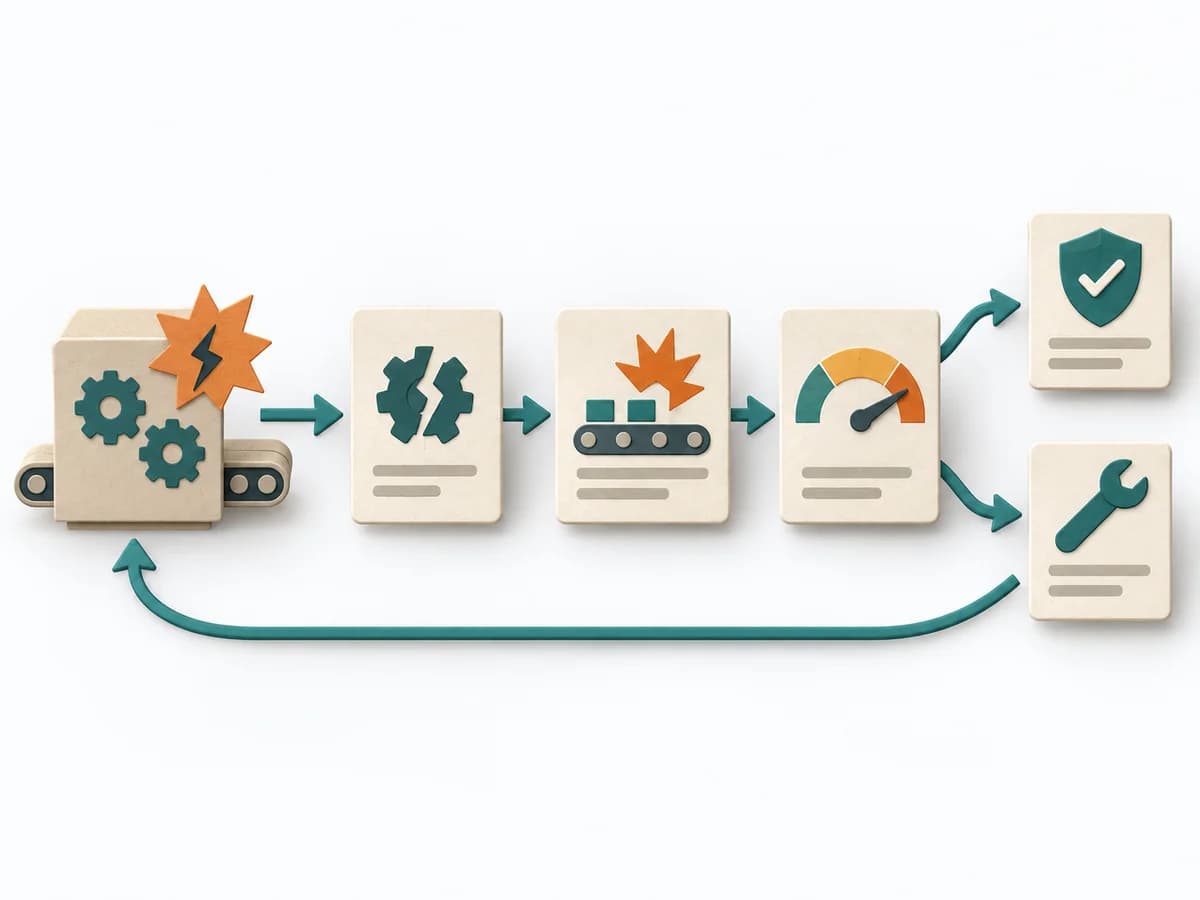 Operations Failure Mode and Effects Analysis | 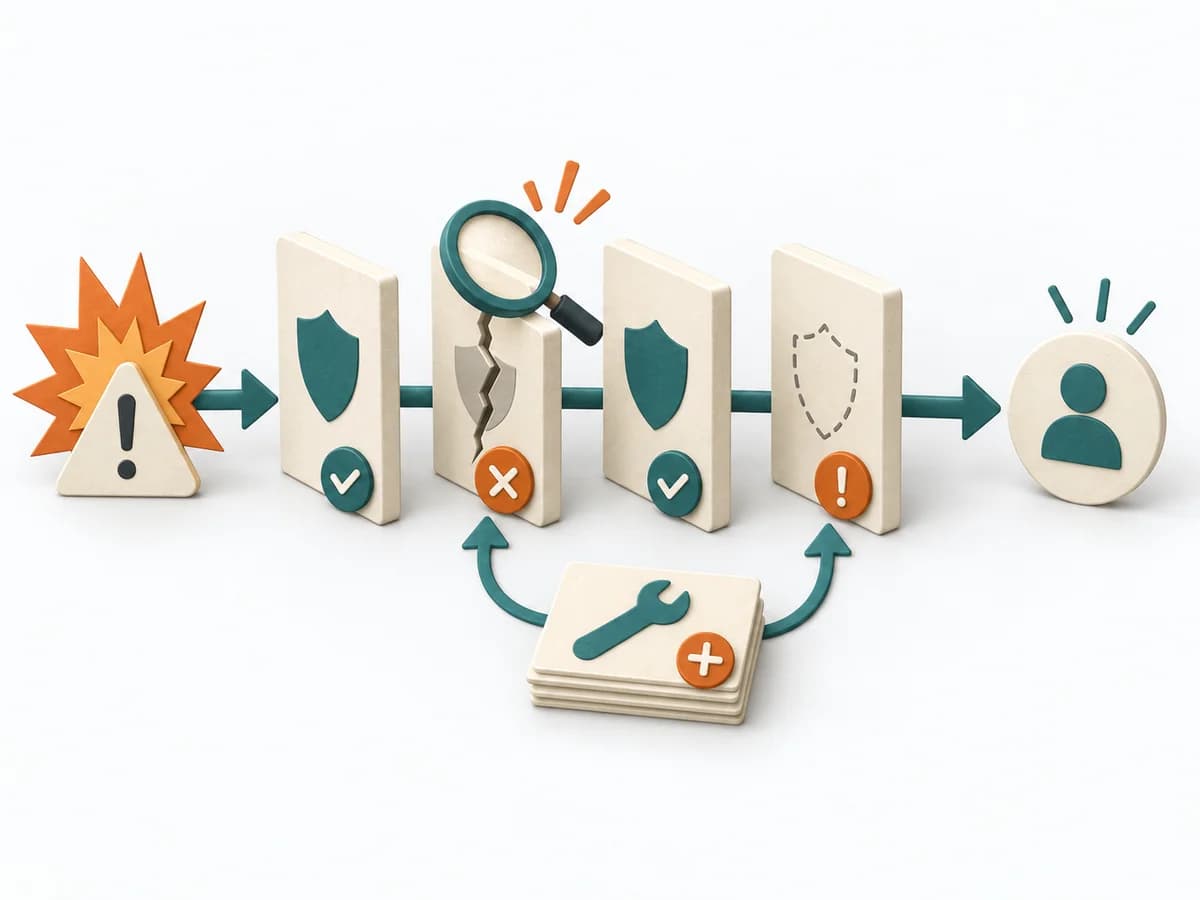 Operations Barrier Analysis | 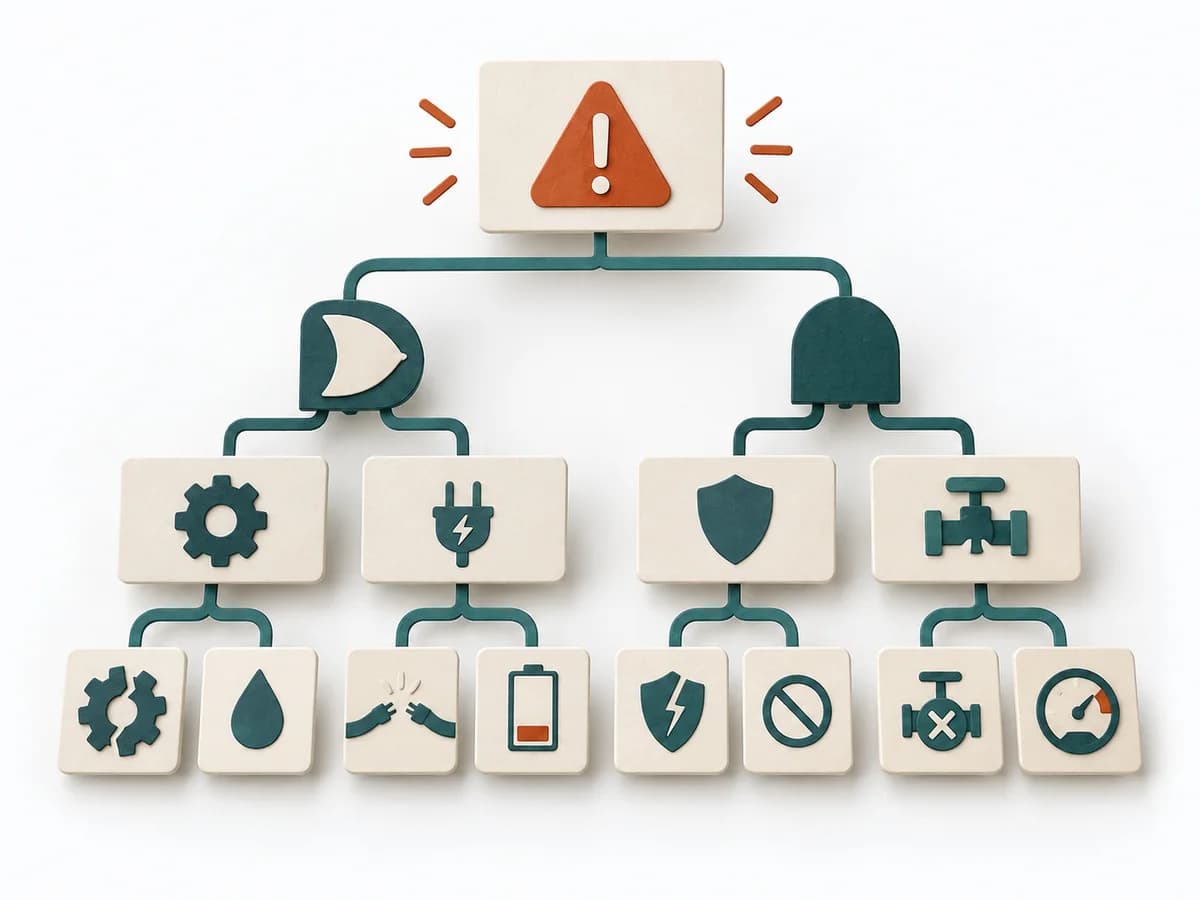 Operations Fault Tree Analysis |
|---|---|---|---|---|
Purposedifferent | In technical failures, the visible symptom often gets mixed up with the actual cause. Fault Isolation narrows the fault space and progressively reduces which part of the system is truly affected. | For a process, product, or service with noticeable failure risks, the method assesses possible failure modes in advance. It directs attention to combinations of occurrence, effect, and detectability. | For a risk that can only be managed through multiple layers of protection, the method examines the effectiveness of each barrier. It shows where safeguards are missing, too weak, or fail under real conditions. | For a critical top event with several possible triggers, the method logically models failure paths. It makes visible which combinations of conditions can lead to damage. |
Complexitydifferent | Medium | High | Medium | High |
Timedifferent | 30-180 min | 2-6 h | 2-4 h | 2-6 h |
Participantsdifferent | 1-6 | 3-10 | 2-6 | 3-8 |
Formatdifferent | Workshop + async | Workshop | Workshop + async | Workshop + async |
Outputdifferent | Fault Isolation Map, Test Log, Excluded Hypotheses, Narrowed Fault Area | FMEA Table, Risk Priority, Mitigation Actions | Barrier Inventory, Failure Analysis per Barrier, Action Backlog | Fault Tree, Critical Paths, Cause Hypotheses, Control Actions |
Tagsno overlap | TroubleshootingDiagnosisEngineering | RiskQualityOperationsRoot cause | Root causeSafetyIncident | RiskRoot causeSafety |