View methods side by side.
Choose up to four methods. Add them using the search and share the comparison by copying its link.
| Criterion | 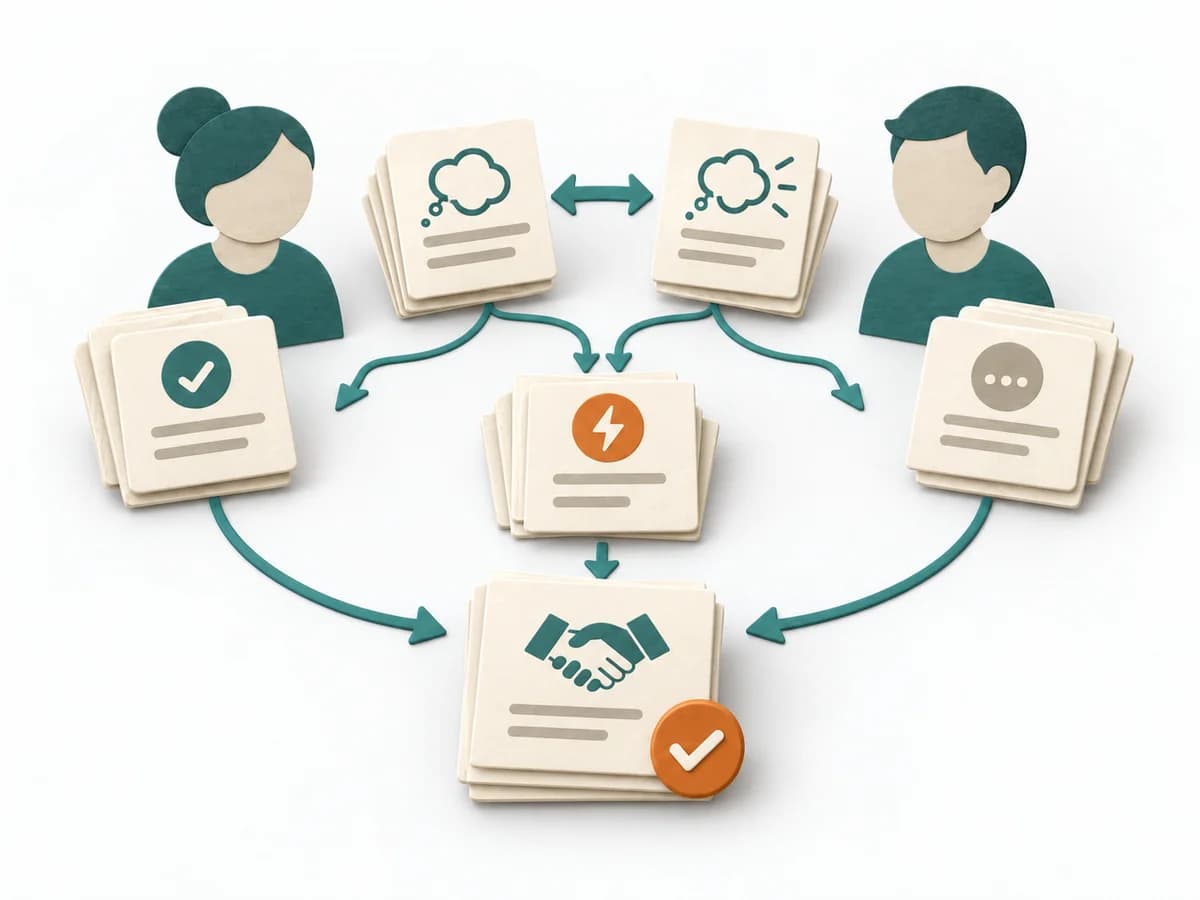 Facilitation Expectation Mapping | 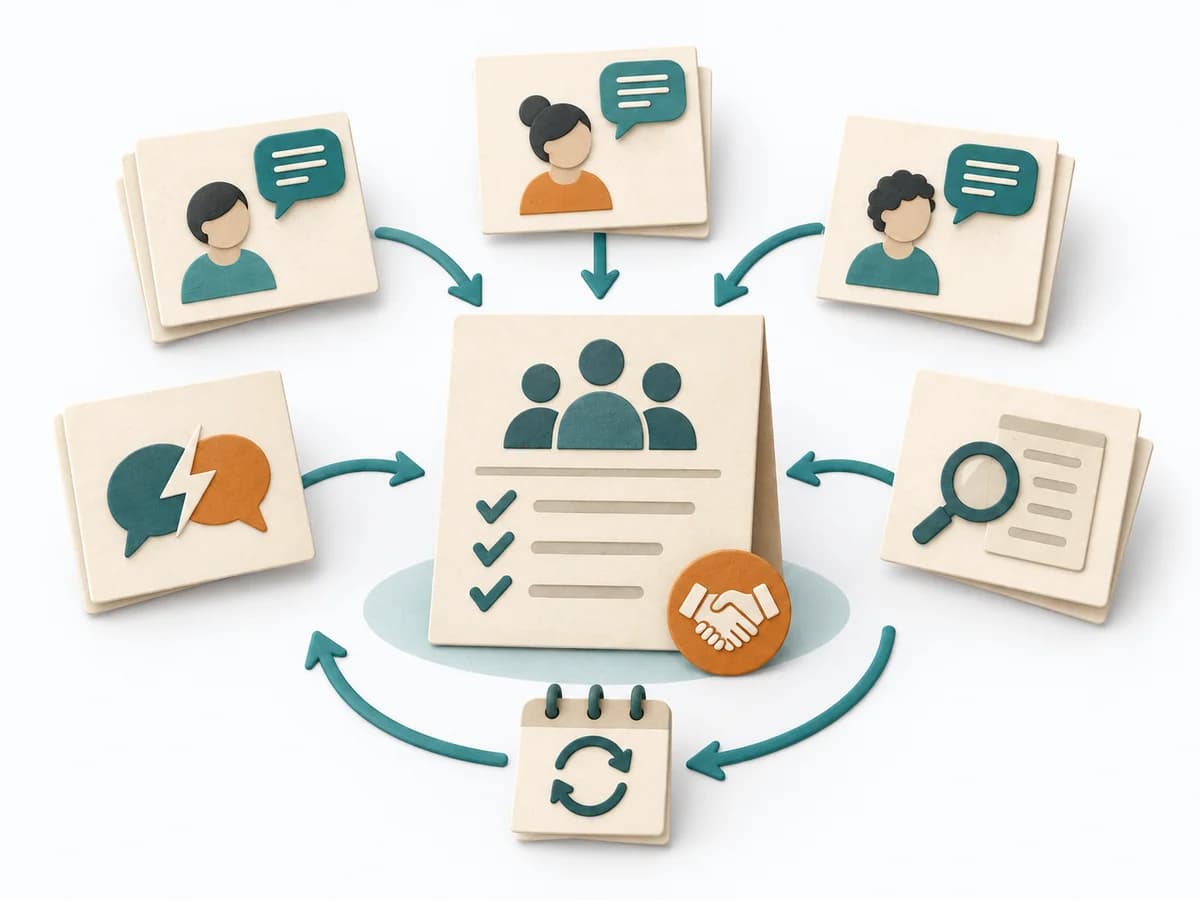 Agile Working Agreements |  Facilitation Power Interest Grid |  Facilitation Team Charter |
|---|---|---|---|---|
Purposedifferent | When roles, interfaces, or projects fail because of differing expectations, Expectation Mapping surfaces these differences. It shows what each side takes for granted and where the pictures diverge. | When collaboration needs more than implicit expectations, it lays out shared ground rules openly. It creates reliability for conduct, availability, and decision paths. | When many stakeholders compete for attention at once, the Power Interest Grid sorts them by influence and stake. It turns individual contributions into a visible selection. The result is captured as a Power Interest Grid and a stakeholder-specific strategy. | When a team is starting fresh or working past each other, Team Charter clarifies the shared working basis. It visibly sets out how collaboration, decision paths, and mutual conduct should work day to day. |
Complexitydifferent | Low | Low | Low | Medium |
Timedifferent | 45-90 min | 45-90 min | 30-60 min | 2-4 h |
Participantsdifferent | 3-12 | 3-12 | 2-8 | 3-12 |
Formatsame | Workshop | Workshop | Workshop | Workshop |
Outputdifferent | Expectation Map, Alignment Notes, Agreements | Working Agreements, Team Norms, Review Cadence | Power Interest Grid, Strategy per Stakeholder | Team Charter, Working Norms, Role Notes |
Tagsno overlap | AlignmentStakeholdersTeam | TeamCollaborationAgile | StakeholdersFacilitationAlignmentPlanning | TeamAlignmentCollaboration |