View methods side by side.
Choose up to four methods. Add them using the search and share the comparison by copying its link.
| Criterion | 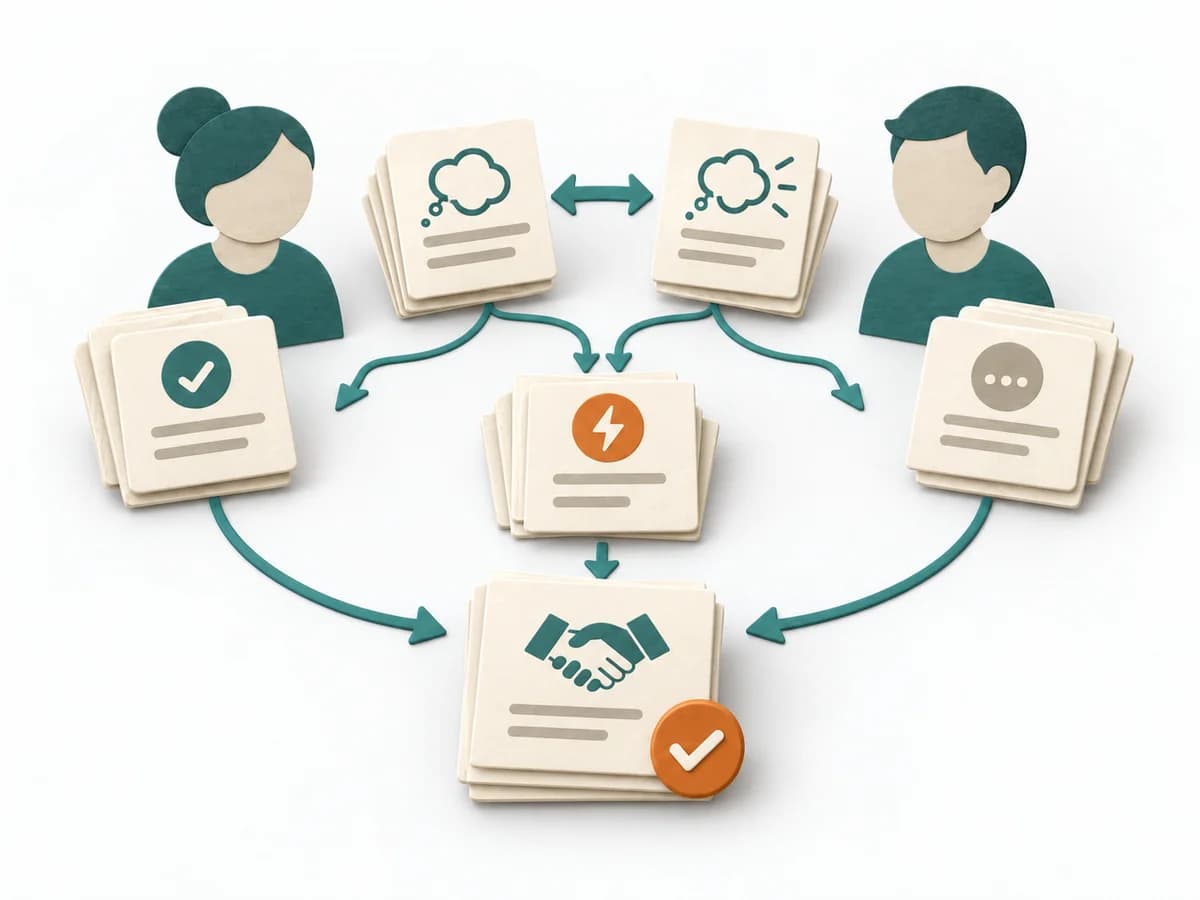 Facilitation Expectation Mapping |  Facilitation Stakeholder Salience Model | 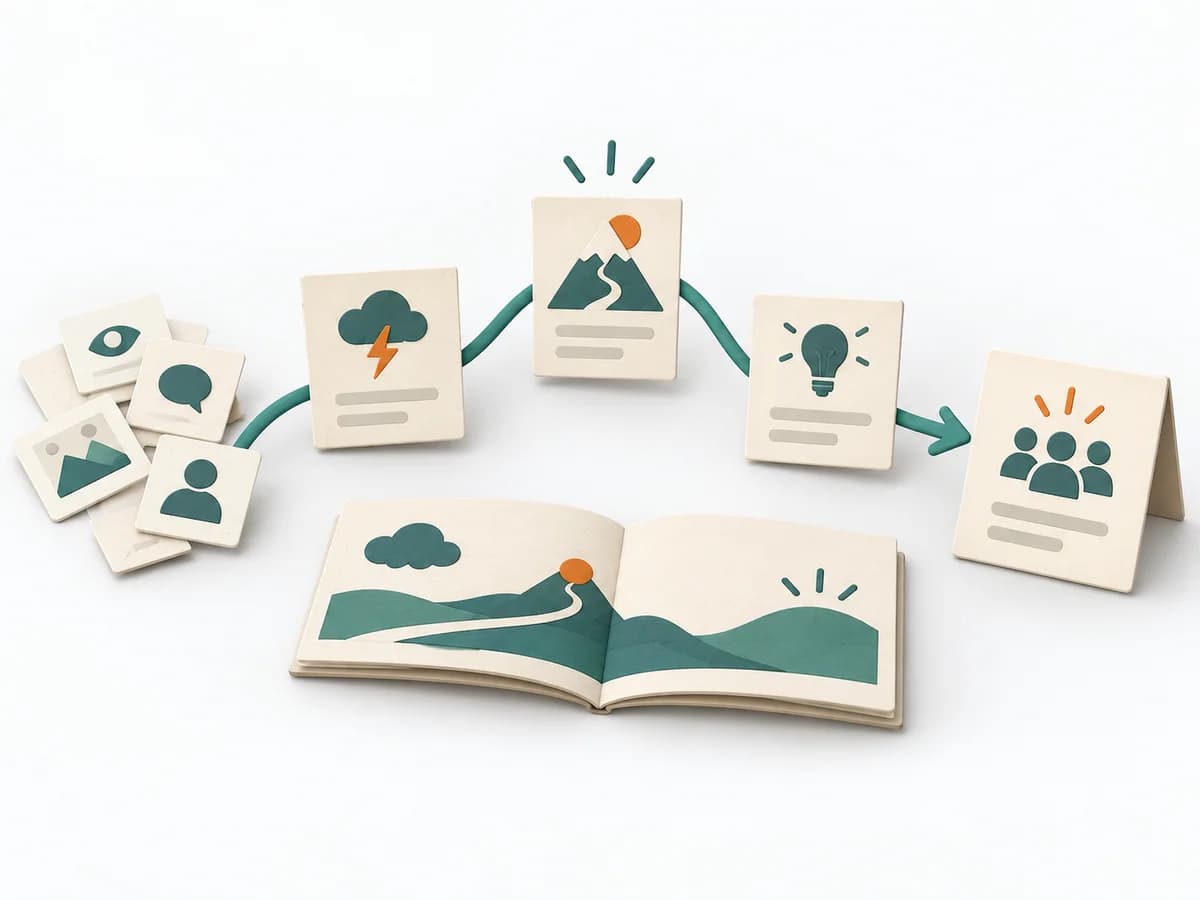 Facilitation Storytelling |  Facilitation Stakeholder Mapping |
|---|---|---|---|---|
Purposedifferent | When roles, interfaces, or projects fail because of differing expectations, Expectation Mapping surfaces these differences. It shows what each side takes for granted and where the pictures diverge. | When stakeholders appear to matter very differently, the Stakeholder Salience Model rates their actual priority through power, legitimacy, and urgency. It turns individual contributions into a visible selection. The result is captured as a Salience diagram and a class-based strategy. | When an insight needs to have an effect, storytelling translates dry facts into a comprehensible development. It combines context, tension, and consequence into a form that people remember and pass on more easily. | When an initiative depends on many people, interests, and power dynamics, Stakeholder Mapping systematically orders the environment. It shows who influences, who is affected, and where relationship management or safeguarding matters first. |
Complexitydifferent | Low | Medium | Medium | Low |
Timedifferent | 45-90 min | 60-90 min | 45-120 min | 60–90 min |
Participantsdifferent | 3-12 | 3-6 | 1-6 | 2-8 |
Formatdifferent | Workshop | Workshop | Workshop + async | Workshop + async |
Outputdifferent | Expectation Map, Alignment Notes, Agreements | Salience Diagram, Strategy per Class | Narrative Outline, Key Message, Story Arc | Stakeholder Map, Engagement Plan, Risk Notes |
Tags1 shared | AlignmentStakeholdersTeam | StakeholdersFacilitationAlignmentGovernance | CommunicationNarrativeStakeholdersFacilitation | StakeholdersAlignmentFacilitationChange |