View methods side by side.
Choose up to four methods. Add them using the search and share the comparison by copying its link.
| Criterion |  Facilitation Expectation Mapping | 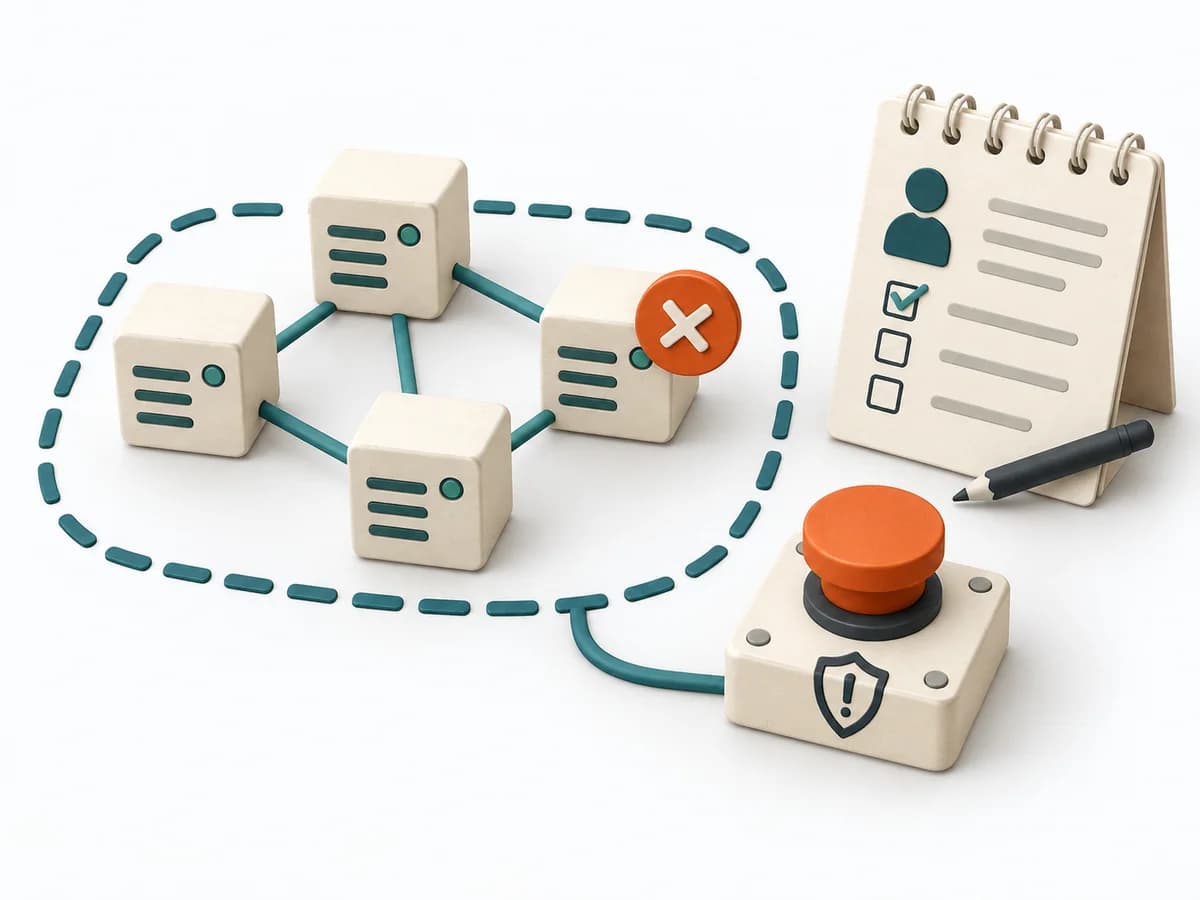 DevOps Game Day |  DevOps Incident Command |  Facilitation Power Interest Grid |
|---|---|---|---|---|
Purposedifferent | When roles, interfaces, or projects fail because of differing expectations, Expectation Mapping surfaces these differences. It shows what each side takes for granted and where the pictures diverge. | In preparing for rare incidents, the method tests response capability under controlled conditions. It shows where assumptions about stability, roles, and recovery are too optimistic. | During an acute incident with several people involved, the method creates a clear leadership and communication structure. It reduces chaos when fast coordination and clean situational awareness are both needed at once. | When many stakeholders compete for attention at once, the Power Interest Grid sorts them by influence and stake. It turns individual contributions into a visible selection. The result is captured as a Power Interest Grid and a stakeholder-specific strategy. |
Complexitydifferent | Low | High | Medium | Low |
Timedifferent | 45-90 min | Halber Tag | As needed | 30-60 min |
Participantsdifferent | 3-12 | 5-20 | 4-15 | 2-8 |
Formatdifferent | Workshop | Workshop | Workshop + async | Workshop |
Outputdifferent | Expectation Map, Alignment Notes, Agreements | Simulation Notes, Gaps List, Updated Runbooks | Incident Log, Action Tracker, Stakeholder Updates | Power Interest Grid, Strategy per Stakeholder |
Tagsno overlap | AlignmentStakeholdersTeam | ResilienceOperationsIncident | IncidentOperationsReliability | StakeholdersFacilitationAlignmentPlanning |