View methods side by side.
Choose up to four methods. Add them using the search and share the comparison by copying its link.
| Criterion | 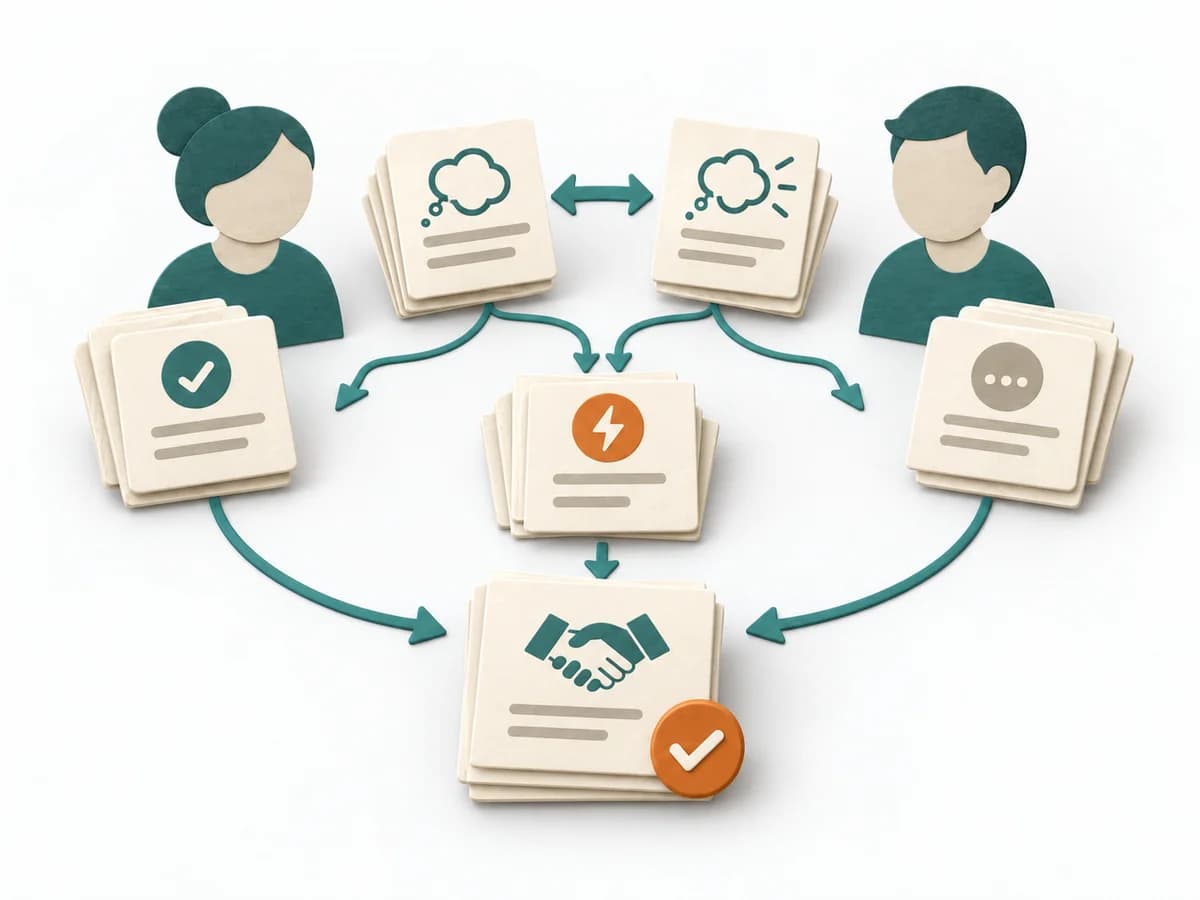 Facilitation Expectation Mapping | 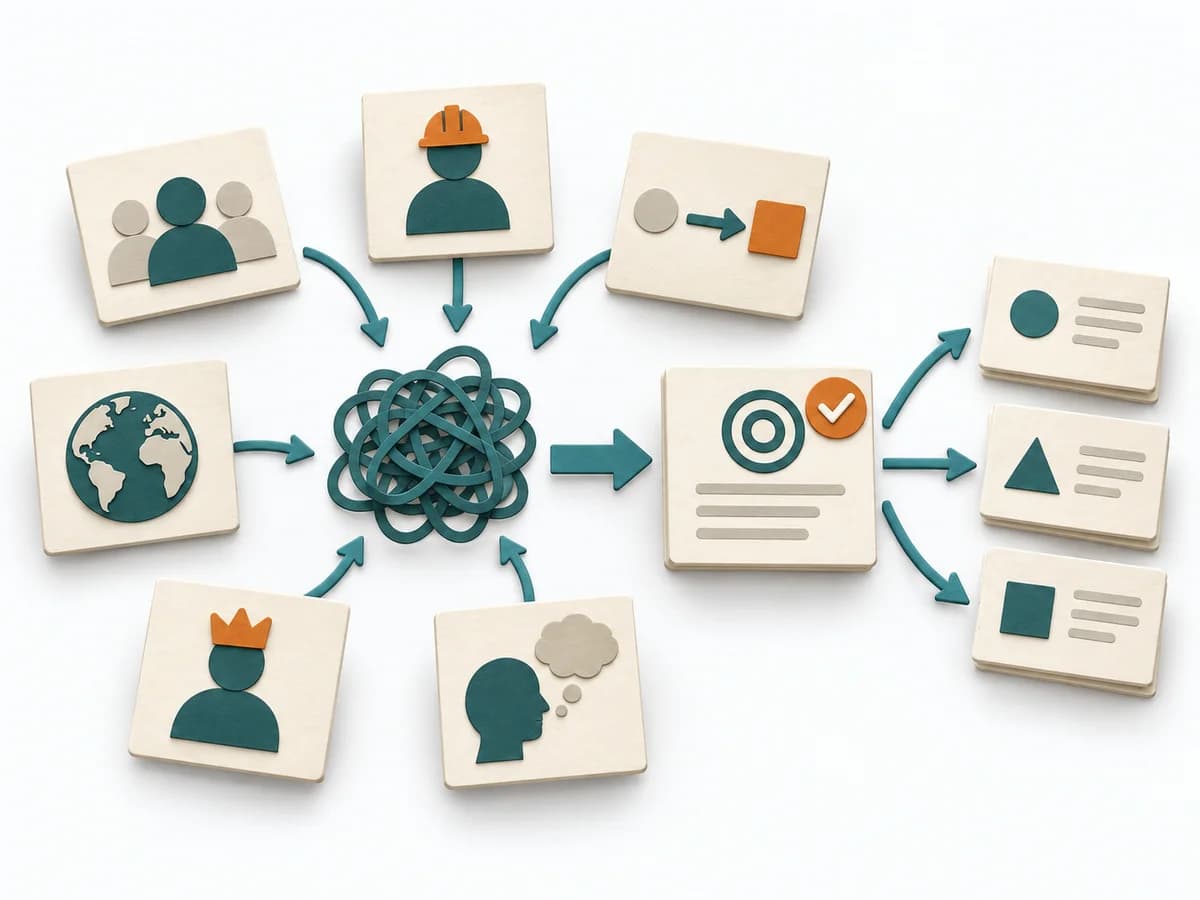 Systems Thinking CATWOE Analysis |  Systems Thinking Leverage Points |  Facilitation Stakeholder Mapping |
|---|---|---|---|---|
Purposedifferent | When roles, interfaces, or projects fail because of differing expectations, Expectation Mapping surfaces these differences. It shows what each side takes for granted and where the pictures diverge. | CATWOE structures a problem from six viewpoints and prevents too narrow a view of the situation. Different experiences of the system become comparably discussable this way. | Leverage Points show exactly where interventions in a system produce a disproportionate effect. It draws relationships, patterns, and feedback loops. The result is captured as a leverage map and action strategy. | When an initiative depends on many people, interests, and power dynamics, Stakeholder Mapping systematically orders the environment. It shows who influences, who is affected, and where relationship management or safeguarding matters first. |
Complexitydifferent | Low | Medium | High | Low |
Timedifferent | 45-90 min | 45-90 min | Half day | 60–90 min |
Participantsdifferent | 3-12 | 3-8 | 3-12 | 2-8 |
Formatdifferent | Workshop | Workshop + async | Workshop | Workshop + async |
Outputdifferent | Expectation Map, Alignment Notes, Agreements | CATWOE Canvas, Root Definition, Stakeholder Perspectives, Constraints | Leverage Map, Action Strategy | Stakeholder Map, Engagement Plan, Risk Notes |
Tagsno overlap | AlignmentStakeholdersTeam | Systems thinkingFramingStakeholders | Systems thinkingChangeStrategy | StakeholdersAlignmentFacilitationChange |