View methods side by side.
Choose up to four methods. Add them using the search and share the comparison by copying its link.
| Criterion | 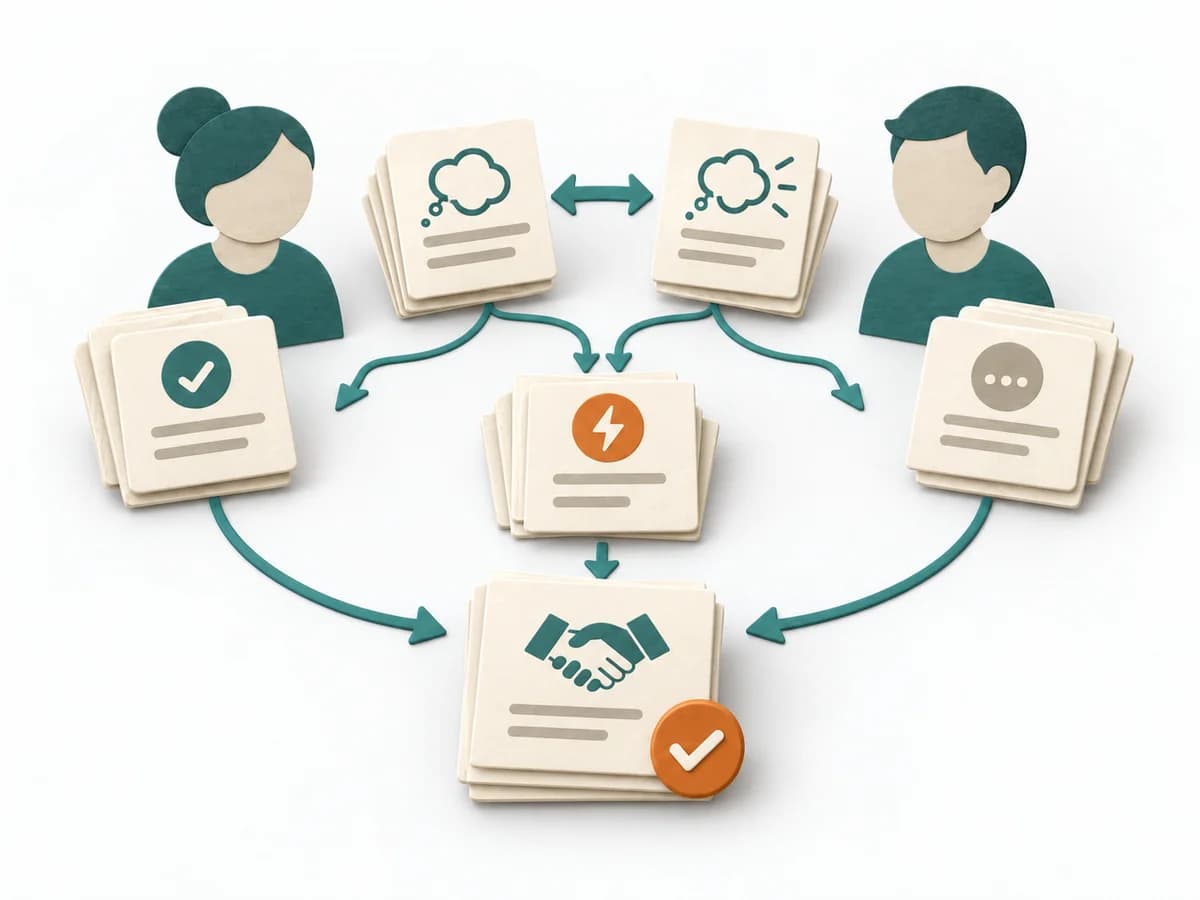 Facilitation Expectation Mapping |  Product Discovery Assumption Mapping |  Facilitation Stakeholder Salience Model | 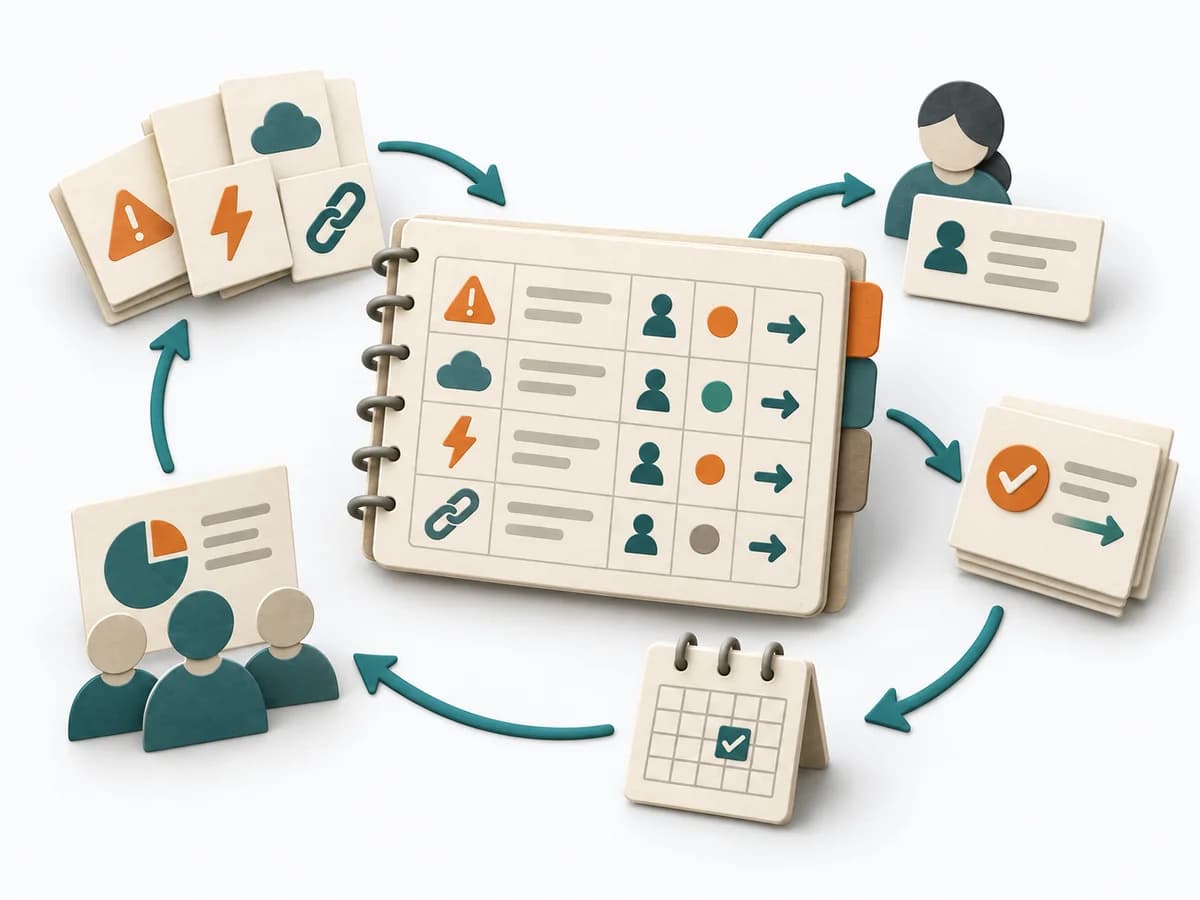 Delivery RAID Log |
|---|---|---|---|---|
Purposedifferent | When roles, interfaces, or projects fail because of differing expectations, Expectation Mapping surfaces these differences. It shows what each side takes for granted and where the pictures diverge. | When assumptions still sit unordered in the room, it weighs uncertainty against leverage. It makes visible which hypotheses should be checked first. | When stakeholders appear to matter very differently, the Stakeholder Salience Model rates their actual priority through power, legitimacy, and urgency. It turns individual contributions into a visible selection. The result is captured as a Salience diagram and a class-based strategy. | Helps clarify scope, sequence, and delivery flow in concrete terms. It makes work, boundaries, and order steerable. The result is captured as a RAID Log and a source for status reporting. |
Complexitydifferent | Low | Medium | Medium | Low |
Timedifferent | 45-90 min | 45-60 min | 60-90 min | 30 min Setup, dann laufend |
Participantsdifferent | 3-12 | 2-8 | 3-6 | 1-3 maintaining, briefing for everyone |
Formatdifferent | Workshop | Workshop + async | Workshop | Async |
Outputdifferent | Expectation Map, Alignment Notes, Agreements | Assumption map, Test backlog, Risk ranking | Salience Diagram, Strategy per Class | RAID Log, Status Report Source |
Tagsno overlap | AlignmentStakeholdersTeam | AssumptionsRiskExperimentsValidation | StakeholdersFacilitationAlignmentGovernance | RiskTrackingStakeholdersGovernance |