View methods side by side.
Choose up to four methods. Add them using the search and share the comparison by copying its link.
| Criterion | 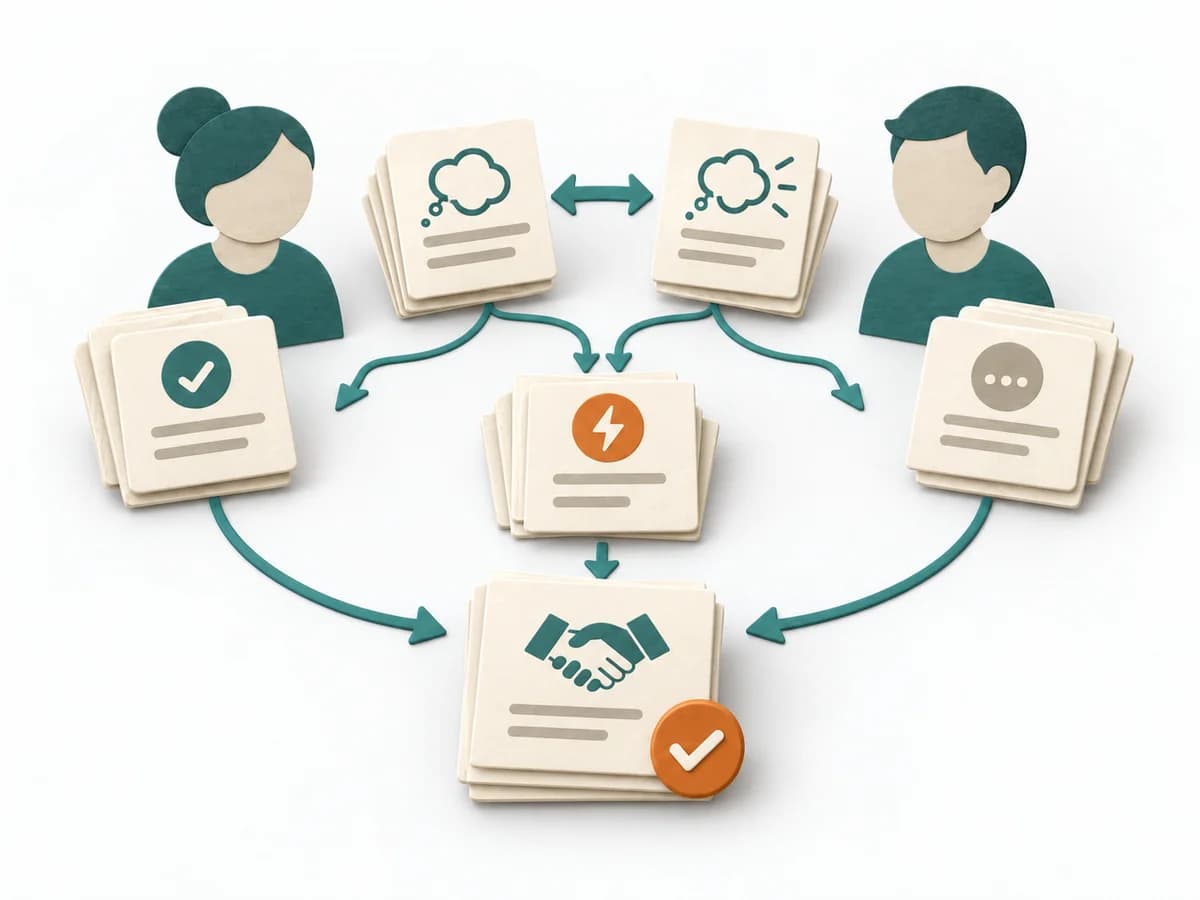 Facilitation Expectation Mapping | 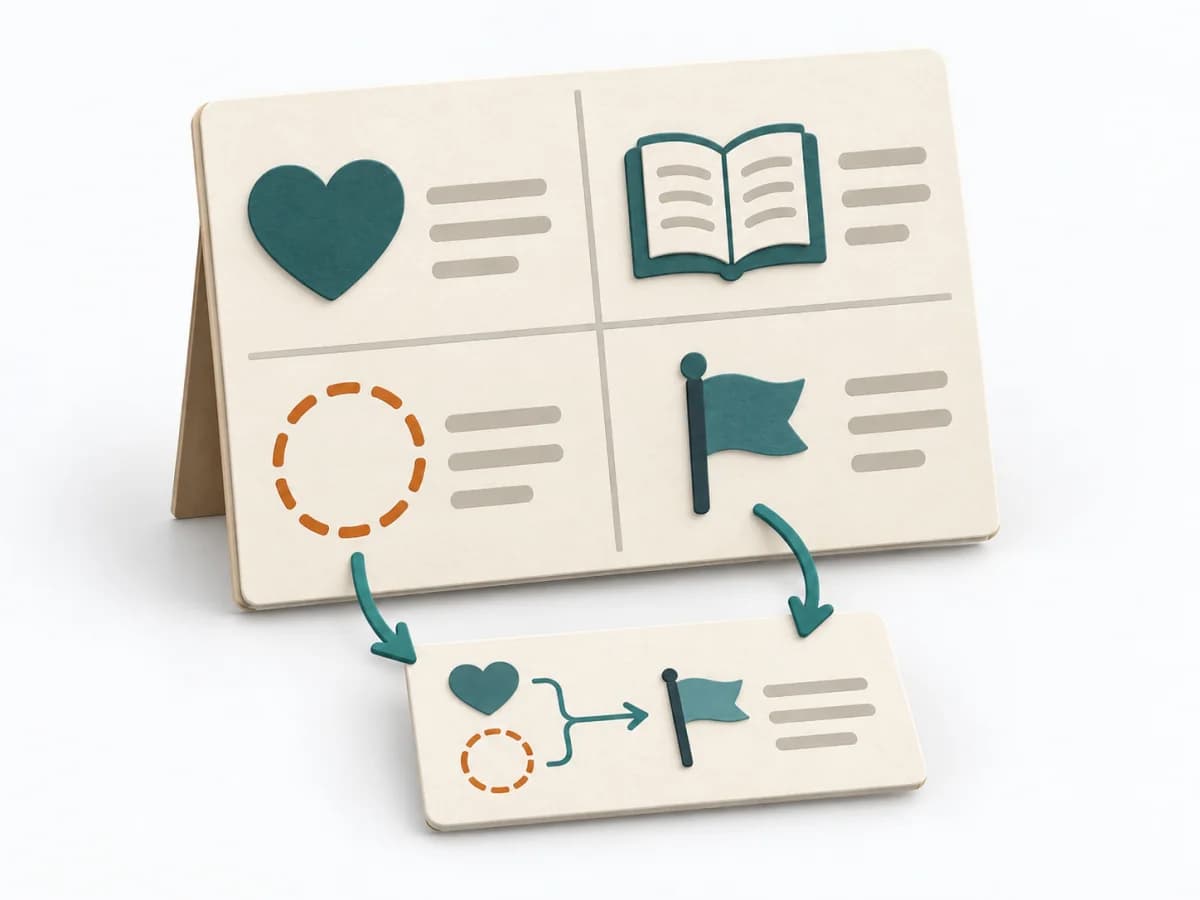 Agile 4Ls Retrospective |  Facilitation Stakeholder Mapping | 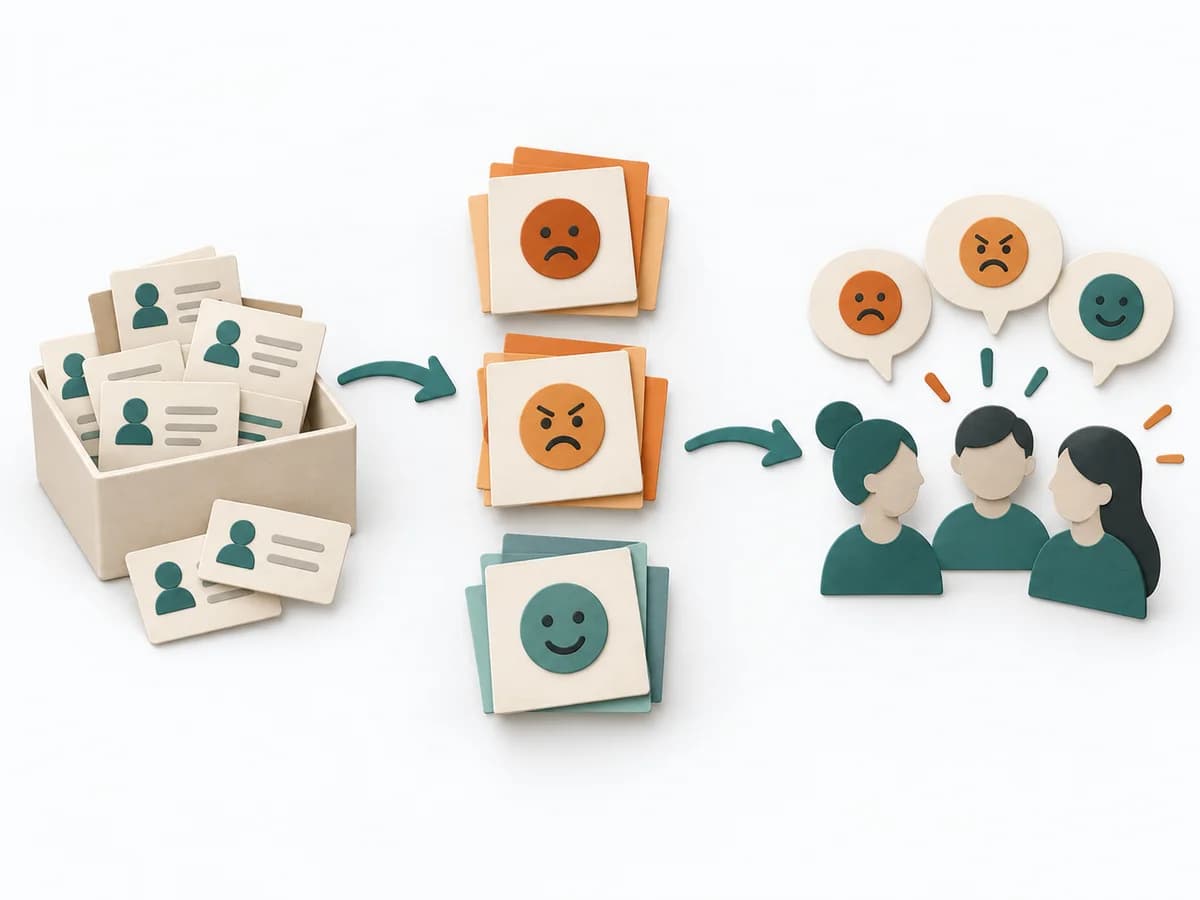 Agile Mad Sad Glad |
|---|---|---|---|---|
Purposedifferent | When roles, interfaces, or projects fail because of differing expectations, Expectation Mapping surfaces these differences. It shows what each side takes for granted and where the pictures diverge. | When a sprint should not only be assessed but also learned from, it captures experience in clear learning categories. It records what worked, what's missing, and what should run differently next time. | When an initiative depends on many people, interests, and power dynamics, Stakeholder Mapping systematically orders the environment. It shows who influences, who is affected, and where relationship management or safeguarding matters first. | When a team's or workshop's mood needs to become readable, it structures emotional signals with little setup. It makes strain, relief, and sources of energy tangible. |
Complexitysame | Low | Low | Low | Low |
Timedifferent | 45-90 min | 45–75 min | 60–90 min | 30-60 min |
Participantsdifferent | 3-12 | Team members involved | 2-8 | 3-10 |
Formatdifferent | Workshop | Workshop | Workshop + async | Workshop |
Outputdifferent | Expectation Map, Alignment Notes, Agreements | 4Ls Board, Learning Themes, Improvement Actions | Stakeholder Map, Engagement Plan, Risk Notes | Emotion Board, Themes, Action Items |
Tagsno overlap | AlignmentStakeholdersTeam | RetrospectiveLearningReflectionTeam | StakeholdersAlignmentFacilitationChange | RetrospectiveTeamReflection |