View methods side by side.
Choose up to four methods. Add them using the search and share the comparison by copying its link.
| Criterion | 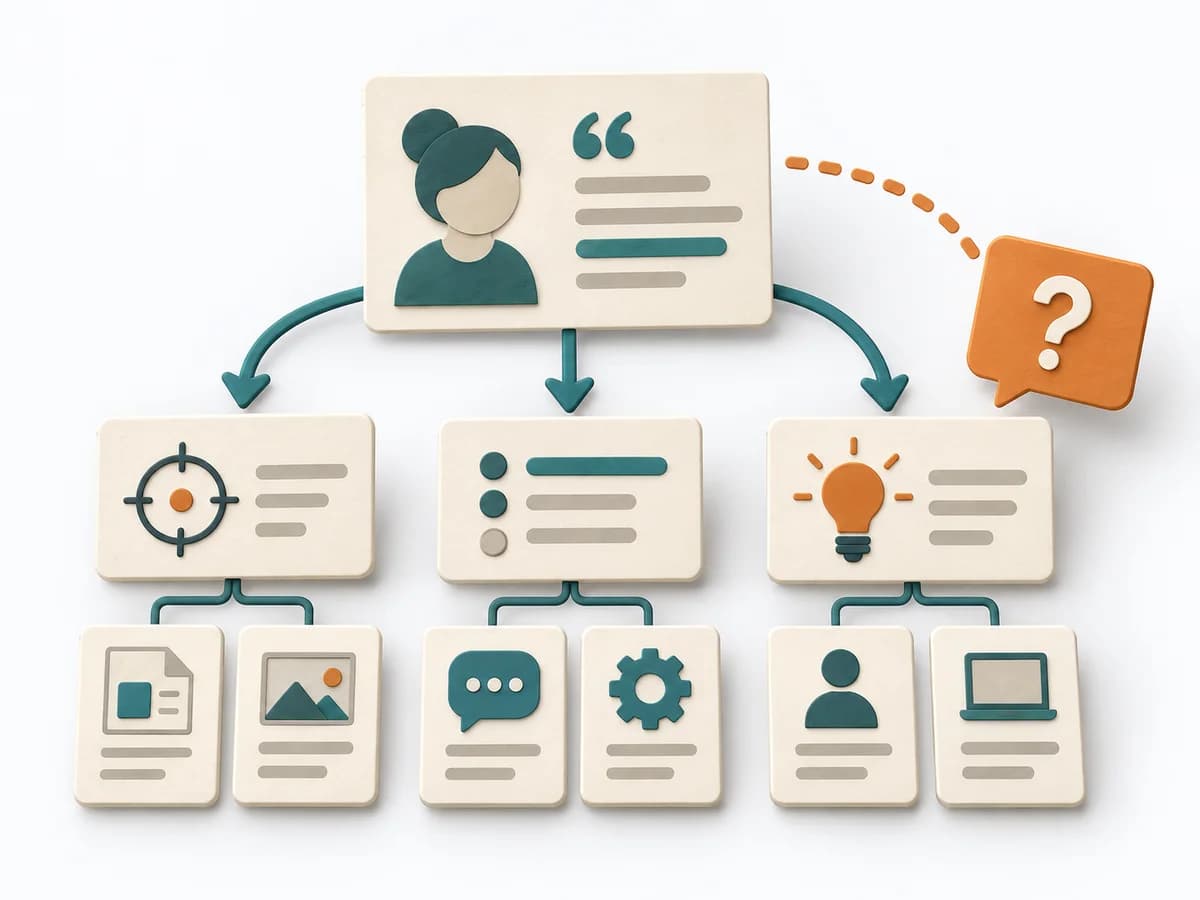 Agile Example Mapping | 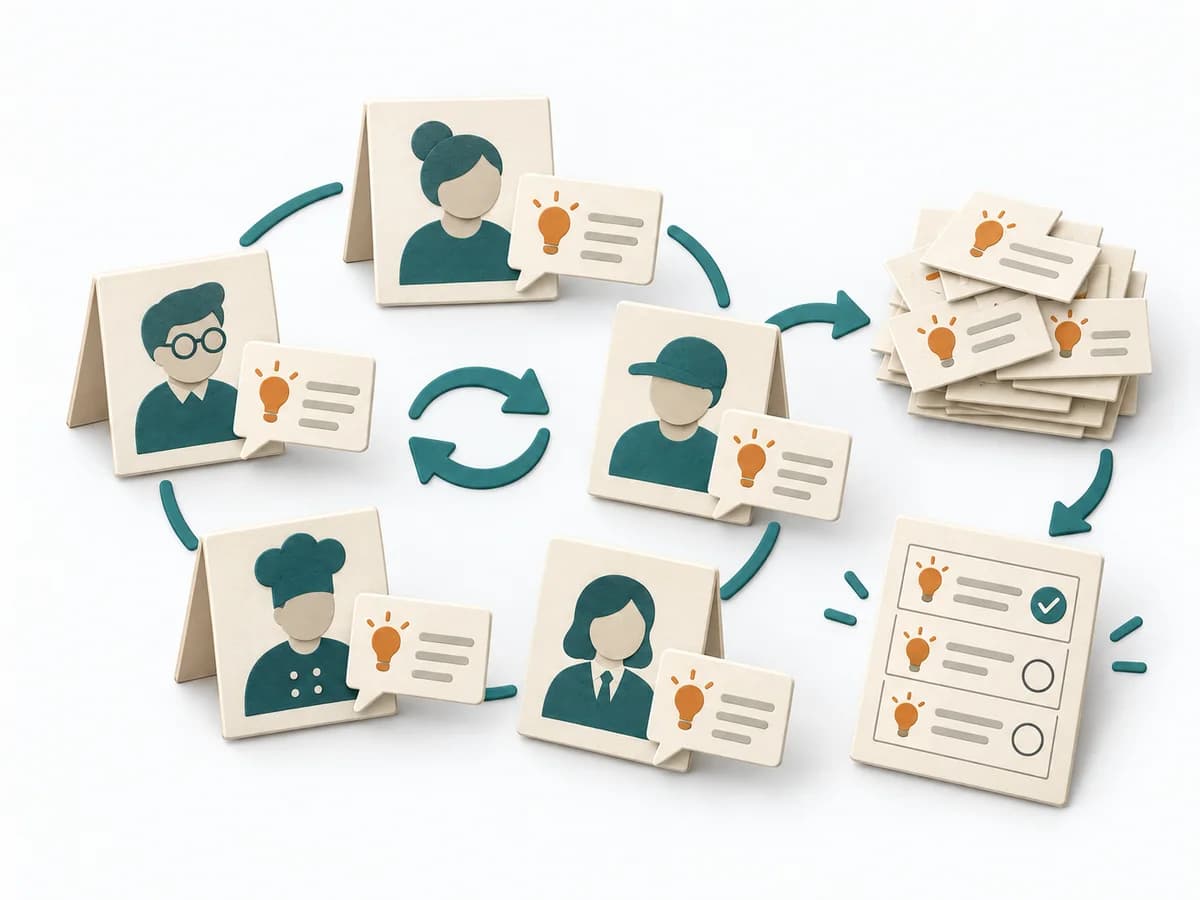 Innovation Rolestorming | 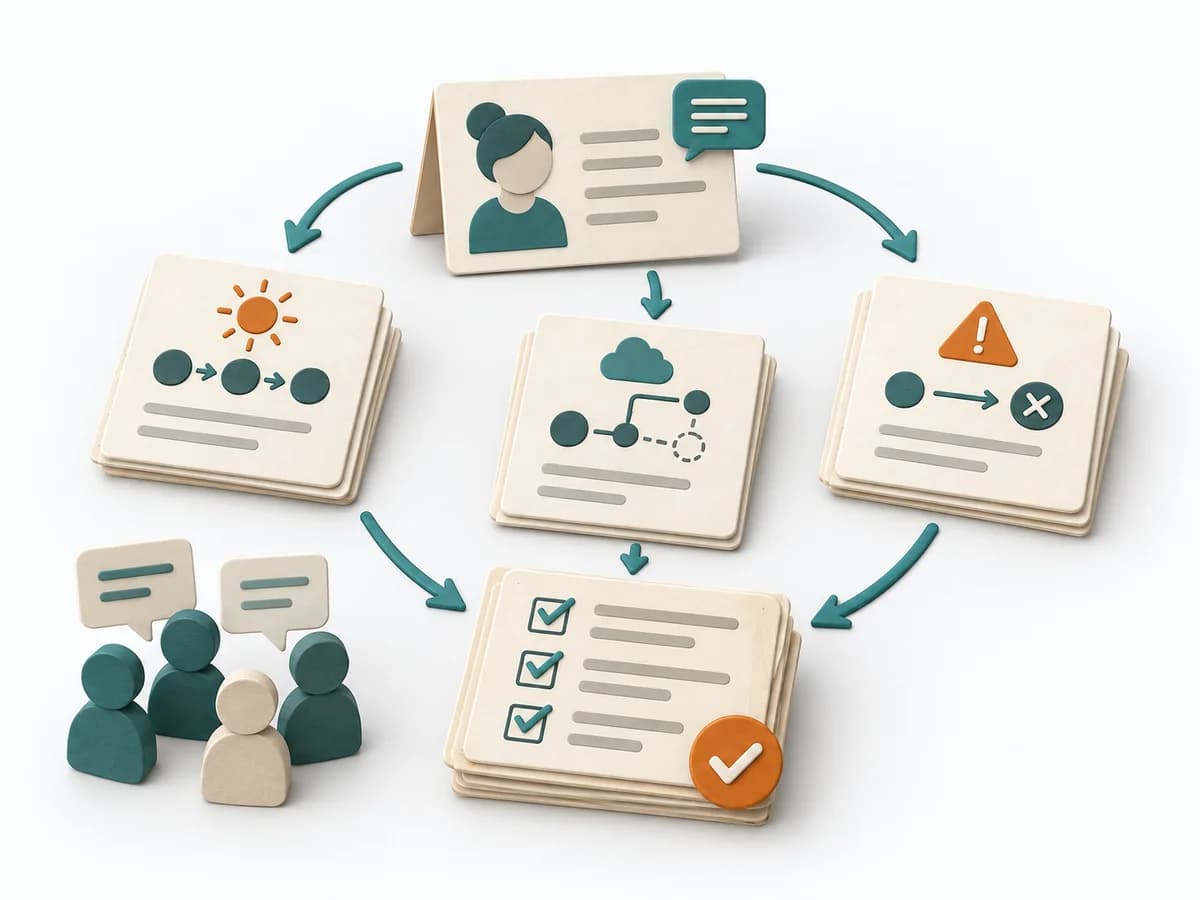 Agile Acceptance Criteria Workshop | 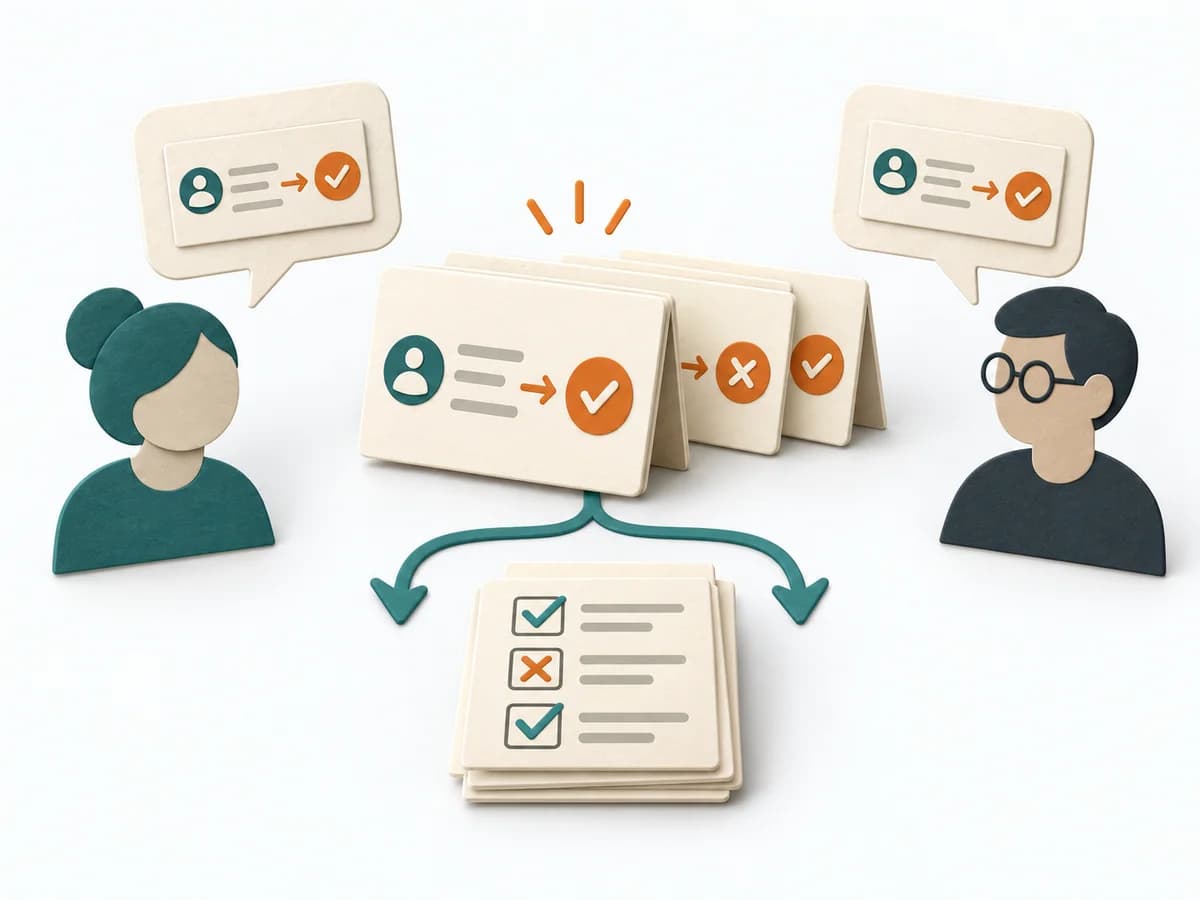 Agile Specification by Example |
|---|---|---|---|---|
Purposedifferent | When a story carries business rules and exceptions, it brings clarity before implementation. It makes examples, open questions, and boundaries visible enough that the logic becomes jointly sound. | When a search for ideas stalls, switching roles helps people step outside their own perspective and activate new logics of action. The method reduces habit because contributions arise from a different stance. This brings unfamiliar, often fitting solution approaches into play. | When a story needs clear checkpoints before implementation, it sharpens expectation and scope together. It sorts work by value, risk, and delivery ability. The result is captured as Acceptance Criteria and a Story Update. | When business rules need to become precise, it ties language, example, and test together. It sorts work by value, risk, and delivery ability. The result is captured as an Example Table and Acceptance Tests. |
Complexitydifferent | Low | Low | Low | Medium |
Timedifferent | 30-60 min | 30-60 min | 20-40 min pro Story | 60-90 min pro Feature |
Participantsdifferent | 3-7 | 3-12 | 3-6 | 3-6 |
Formatsame | Workshop | Workshop | Workshop | Workshop |
Outputdifferent | Example Map, Acceptance Criteria, Open Questions | Rollenkarten, Ideenpool pro Rolle, Konsolidierte Shortlist | Acceptance Criteria, Story Update | Example Table, Acceptance Tests |
Tagsno overlap | Behavior-Driven DevelopmentRequirementsExamplesRefinement | BrainstormingIdeationCreativity | AgileRequirementsRefinementBehavior-Driven Development | AgileRequirementsExamplesBehavior-Driven Development |