View methods side by side.
Choose up to four methods. Add them using the search and share the comparison by copying its link.
| Criterion | 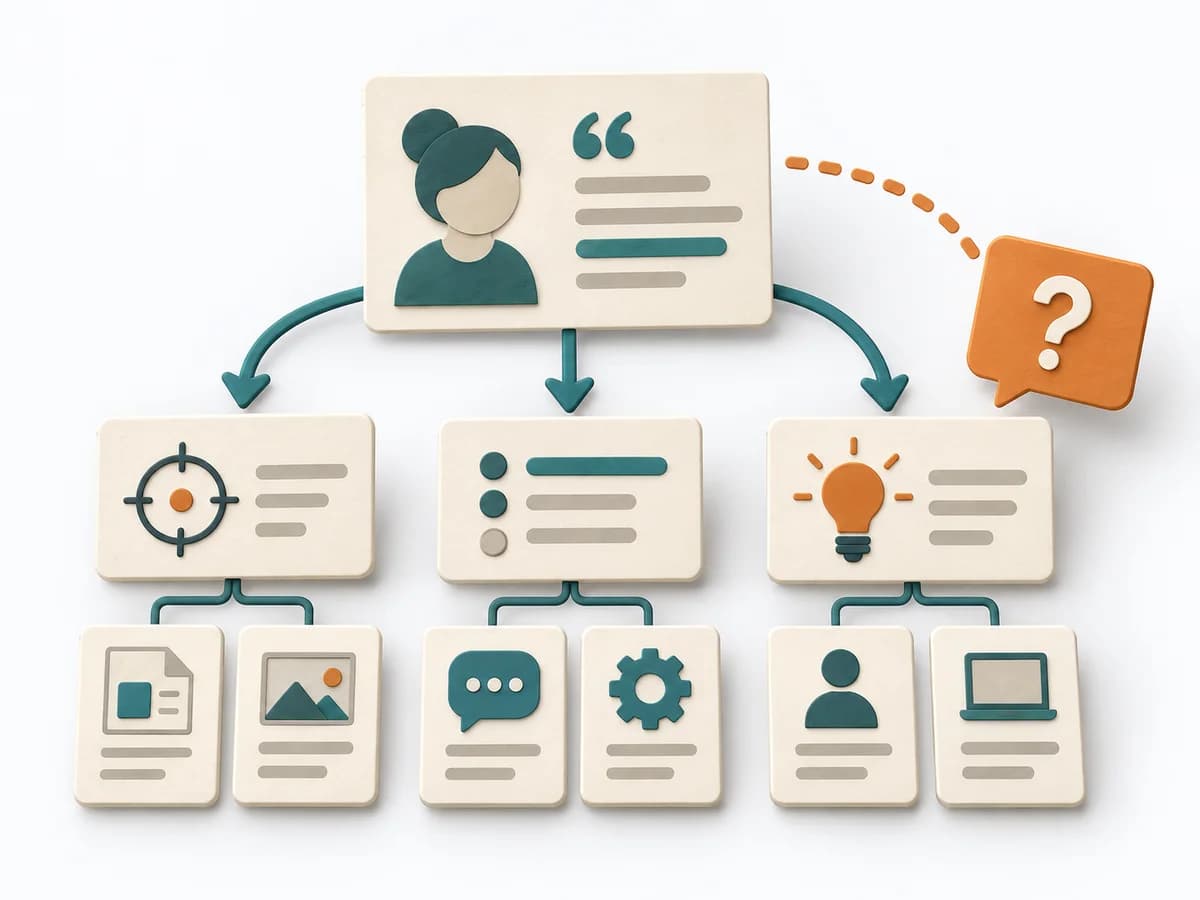 Agile Example Mapping | 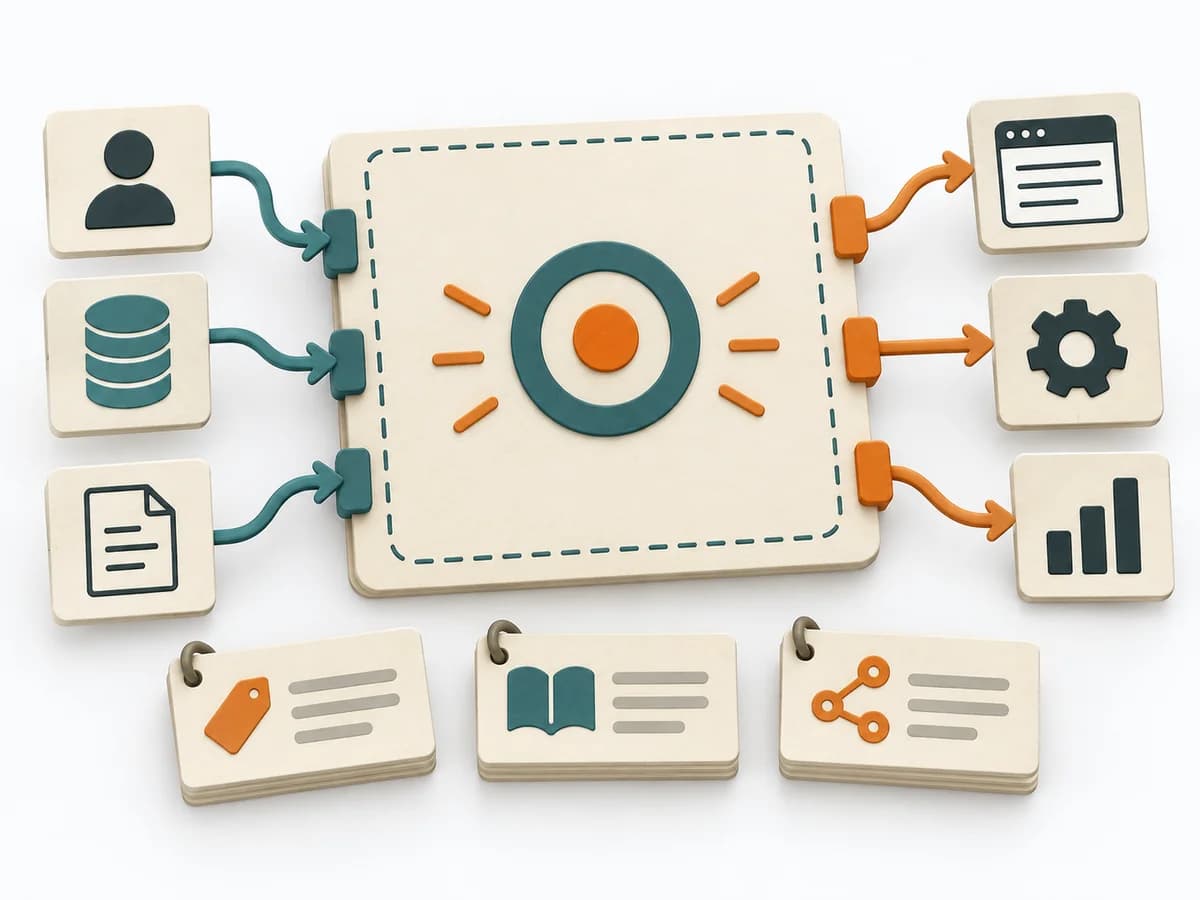 Domain Modeling Bounded Context Canvas |  Agile Three Amigos | 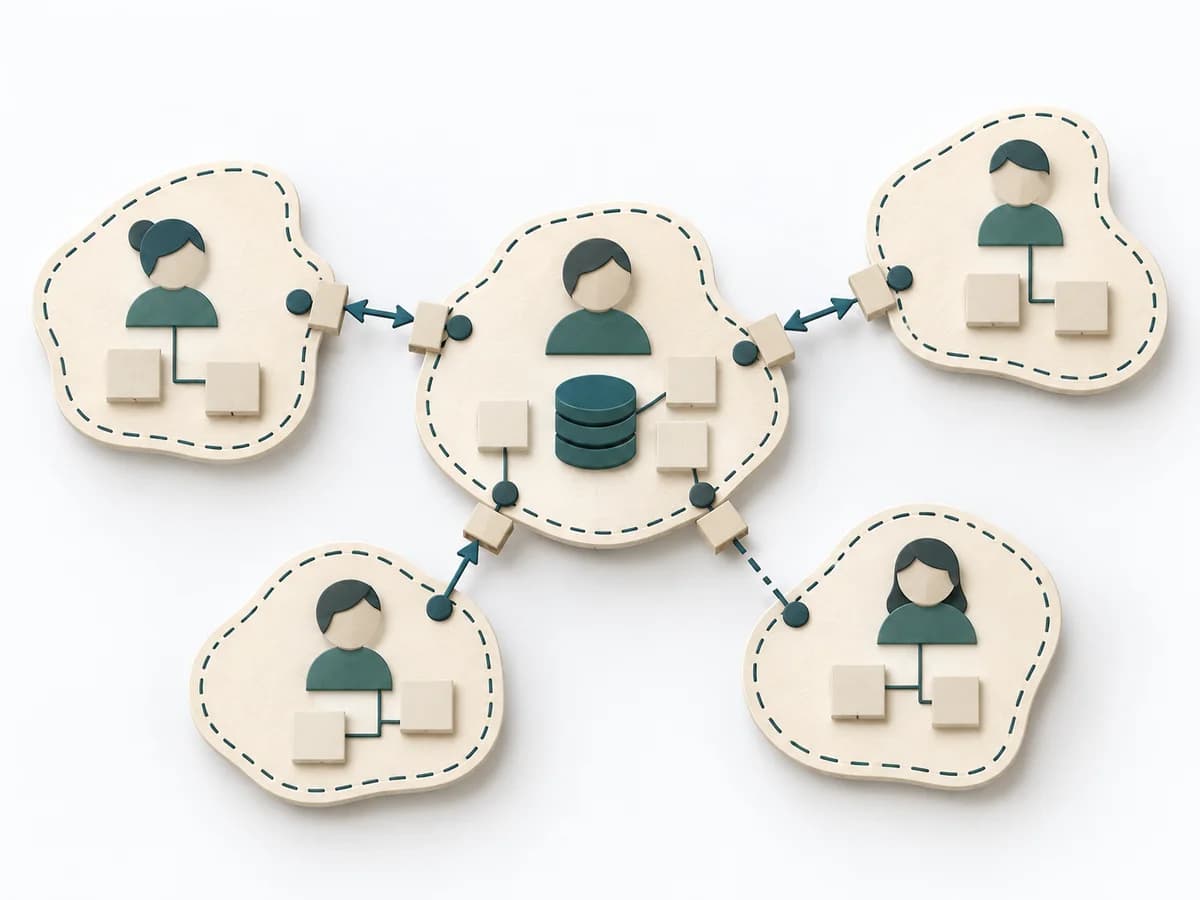 Domain Modeling Domain Context Map |
|---|---|---|---|---|
Purposedifferent | When a story carries business rules and exceptions, it brings clarity before implementation. It makes examples, open questions, and boundaries visible enough that the logic becomes jointly sound. | When a business context is still loosely outlined, it shapes language, responsibility, and integration space. It clarifies what belongs together and where a boundary needs to hold. | When story, test, and implementation could drift apart, it brings business perspective, engineering, and quality together early. It prevents a story from being read differently only late in the process. | When a domain model and its associated contexts need to be thought through together, it creates a shared overview. It connects the business view and organizational boundary into a readable whole. |
Complexitydifferent | Low | Medium | Low | Medium |
Timedifferent | 30-60 min | 1-3 h | 15-30 min | 1-3 h |
Participantsdifferent | 3-7 | 3-8 | 3 | 3-10 |
Formatdifferent | Workshop | Workshop + async | Workshop + async | Workshop |
Outputdifferent | Example Map, Acceptance Criteria, Open Questions | Context Canvas, Glossary, Integration Notes | Clarified Story, Test Examples, Open Questions | Domain Context Map, Boundary Notes, Ownership Map |
Tagsno overlap | Behavior-Driven DevelopmentRequirementsExamplesRefinement | Domain-Driven DesignBoundariesModeling | CollaborationBehavior-Driven DevelopmentQualityRefinement | Domain-Driven DesignContextBoundaries |