View methods side by side.
Choose up to four methods. Add them using the search and share the comparison by copying its link.
| Criterion | 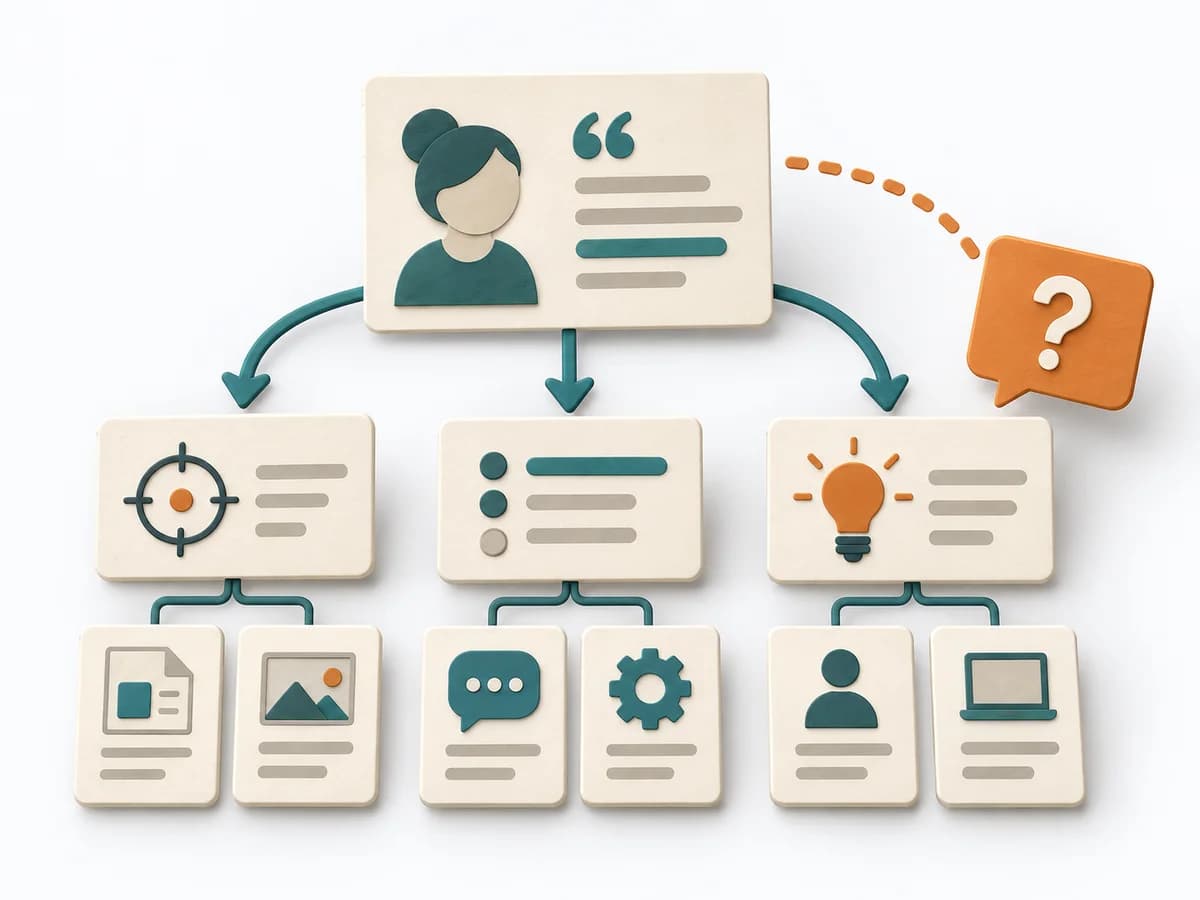 Agile Example Mapping |  Operations After-Action Review |  Agile Sprint Retrospective | 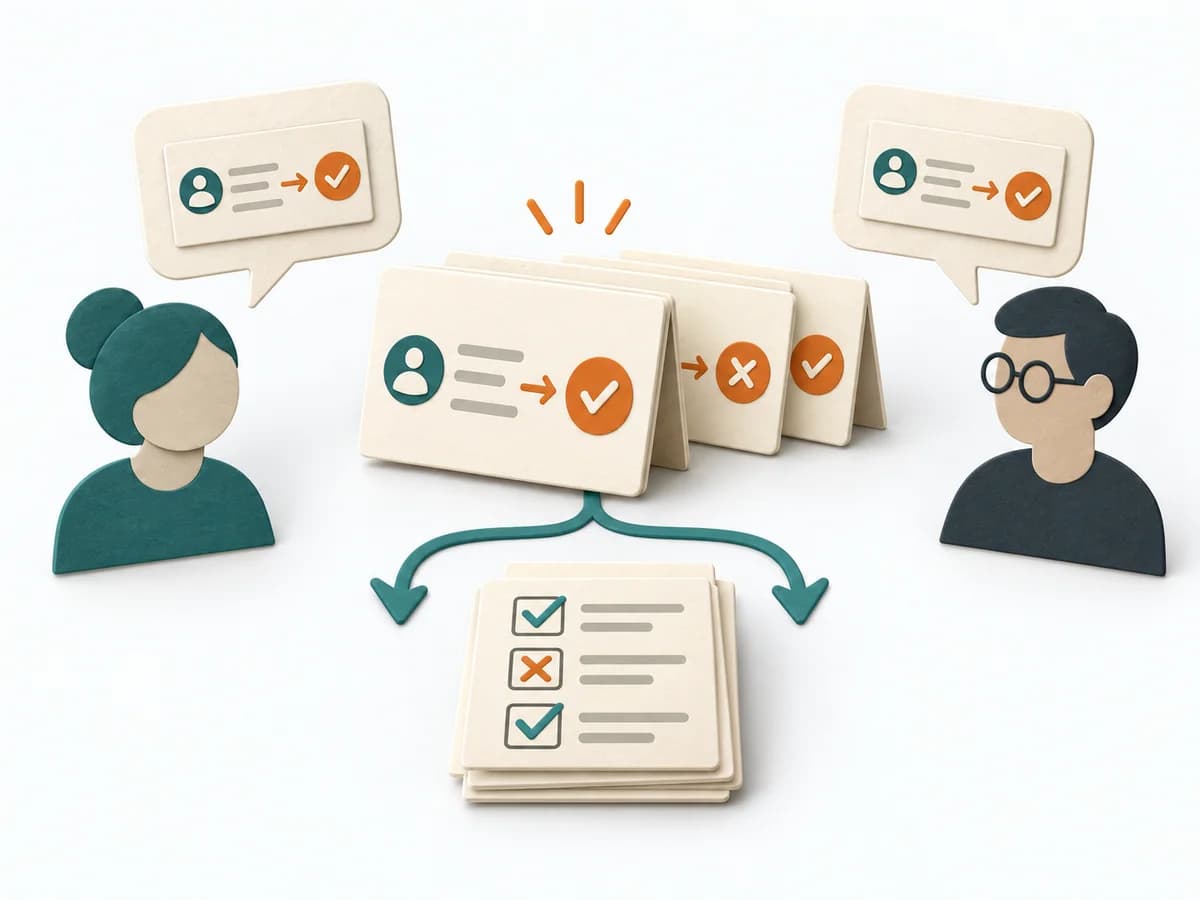 Agile Specification by Example |
|---|---|---|---|---|
Purposedifferent | When a story carries business rules and exceptions, it brings clarity before implementation. It makes examples, open questions, and boundaries visible enough that the logic becomes jointly sound. | After missions or project phases with unclear outcomes, the method makes visible what actually happened and what can be learned from it. It separates course, effect, and causes so experience turns into solid improvement. | When a sprint is over and friction shouldn't simply be carried forward, it opens the view onto collaboration and patterns. It creates space to see causes and changes together. | When business rules need to become precise, it ties language, example, and test together. It sorts work by value, risk, and delivery ability. The result is captured as an Example Table and Acceptance Tests. |
Complexitydifferent | Low | Low | Low | Medium |
Timedifferent | 30-60 min | 20-45 min | Up to 3 hours for a one-month Sprint; shorter Sprints are usually shorter | 60-90 min pro Feature |
Participantsdifferent | 3-7 | 3-12 | Scrum Team | 3-6 |
Formatdifferent | Workshop | Workshop + async | Workshop | Workshop |
Outputdifferent | Example Map, Acceptance Criteria, Open Questions | Lessons learned, Action items, Event summary | Improvement actions, Team agreements | Example Table, Acceptance Tests |
Tagsno overlap | Behavior-Driven DevelopmentRequirementsExamplesRefinement | LearningOperationsImprovement | RetrospectiveImprovementLearning | AgileRequirementsExamplesBehavior-Driven Development |