View methods side by side.
Choose up to four methods. Add them using the search and share the comparison by copying its link.
| Criterion |  Domain Modeling EventStorming | 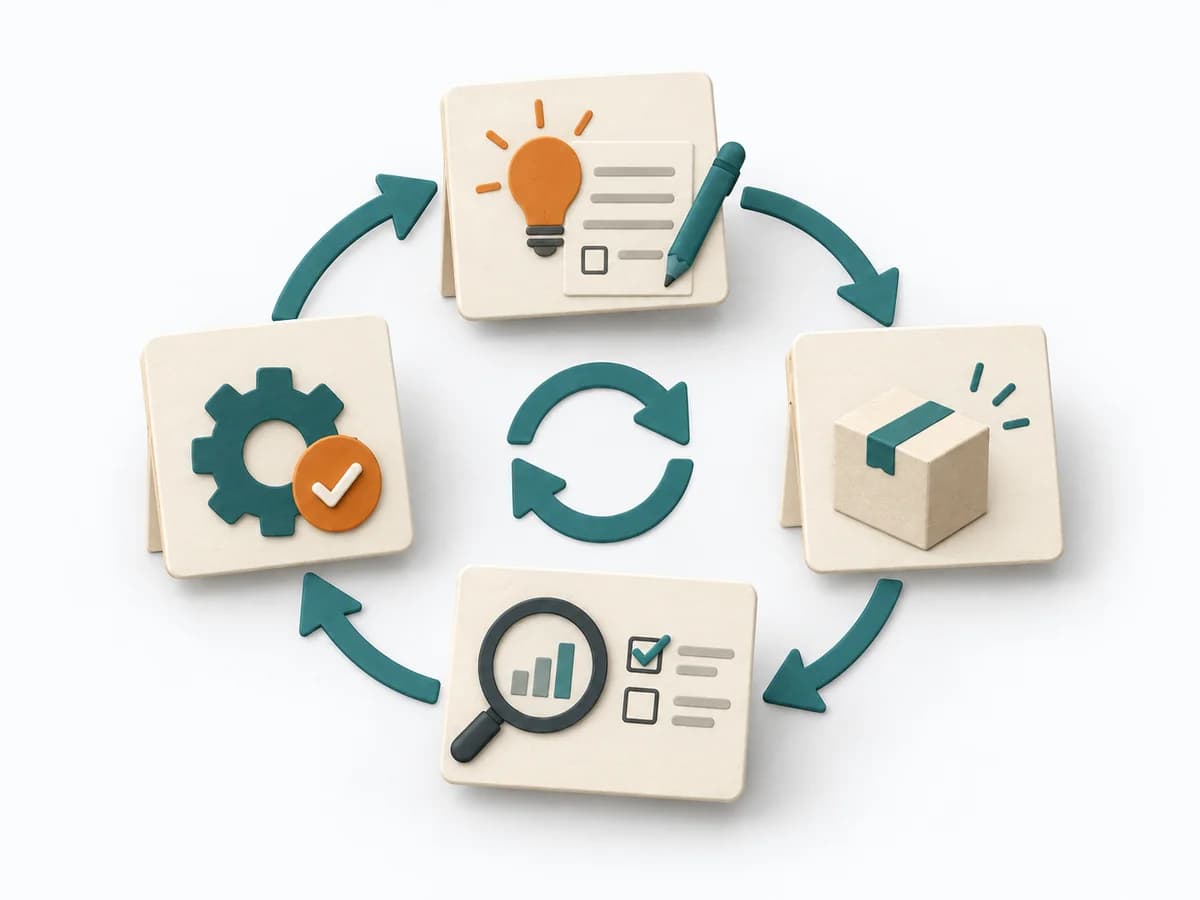 Operations PDCA Cycle |  Facilitation Stakeholder Mapping | 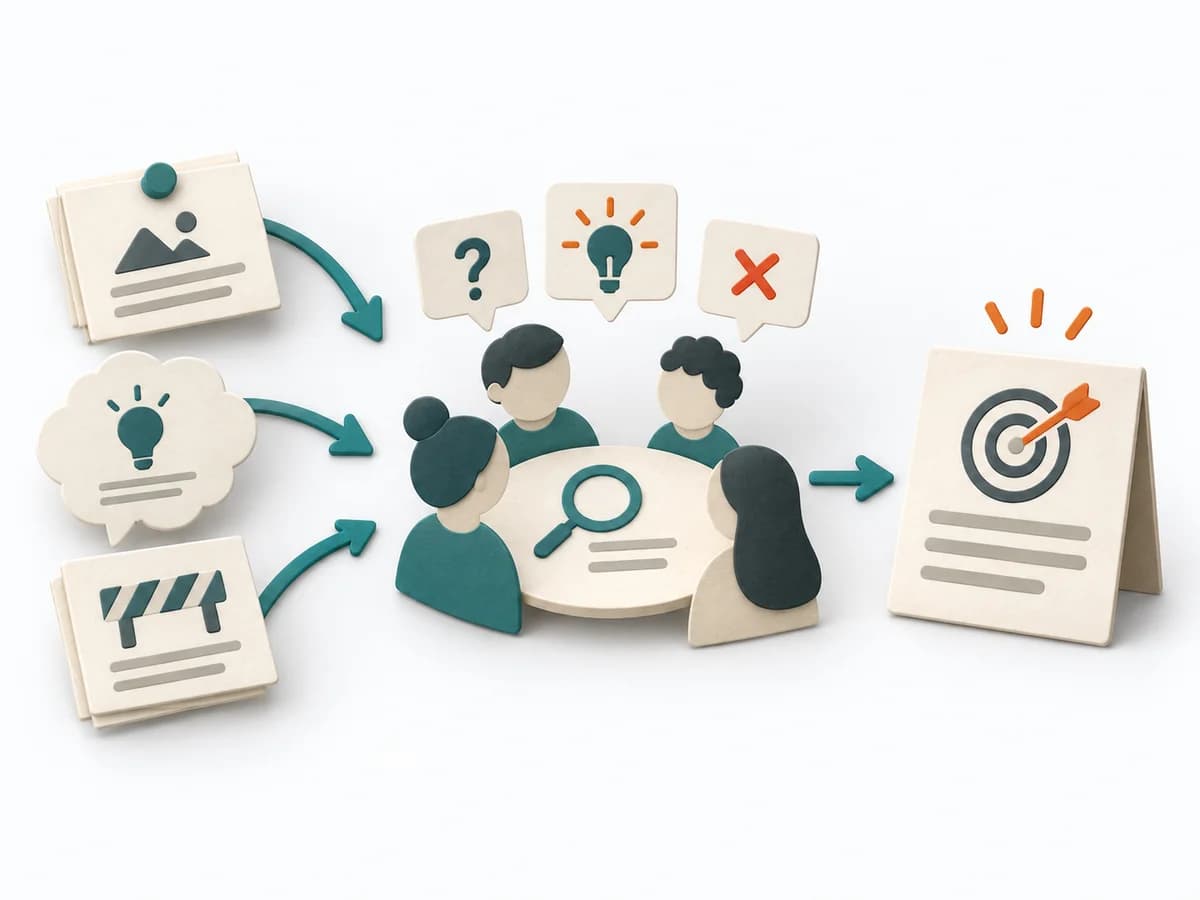 Facilitation Problem Framing Workshop |
|---|---|---|---|---|
Purposedifferent | When a domain consists of many events, rules, and states, it creates a shared modeling space for the team. It bundles language, flows, and boundaries before domain knowledge fragments into siloed views. | For an improvement that still has to prove itself in everyday work, the method runs it through small learning loops. It connects planning, checking, and standardization into a repeatable learning mode. | When an initiative depends on many people, interests, and power dynamics, Stakeholder Mapping systematically orders the environment. It shows who influences, who is affected, and where relationship management or safeguarding matters first. | When a team works on symptoms but the real question stays fuzzy, a Problem Framing Workshop sharpens the view of the right problem. It separates observation, interpretation, and target picture from each other. |
Complexitydifferent | Medium | Low | Low | Low |
Timedifferent | 2-8 h | 1 h bis mehrere Wochen | 60–90 min | 60-120 min |
Participantsdifferent | 5-12 | 1-8 | 2-8 | 4-10 |
Formatdifferent | Workshop | Workshop + async | Workshop + async | Workshop |
Outputdifferent | Event Timeline, Ubiquitous Language, Boundaries, Open Questions | PDCA Log, Experiment Plan, Learning Outcome, Standard Change | Stakeholder Map, Engagement Plan, Risk Notes | Problem Statement, Scope Boundaries, Assumption List, Next Analysis Questions |
Tagsno overlap | Domain-Driven DesignEventsDiscoveryWorkshop | Continuous improvementLeanExperiments | StakeholdersAlignmentFacilitationChange | FacilitationAlignmentDiscovery |