View methods side by side.
Choose up to four methods. Add them using the search and share the comparison by copying its link.
| Criterion |  Knowledge Modeling Event Modeling | 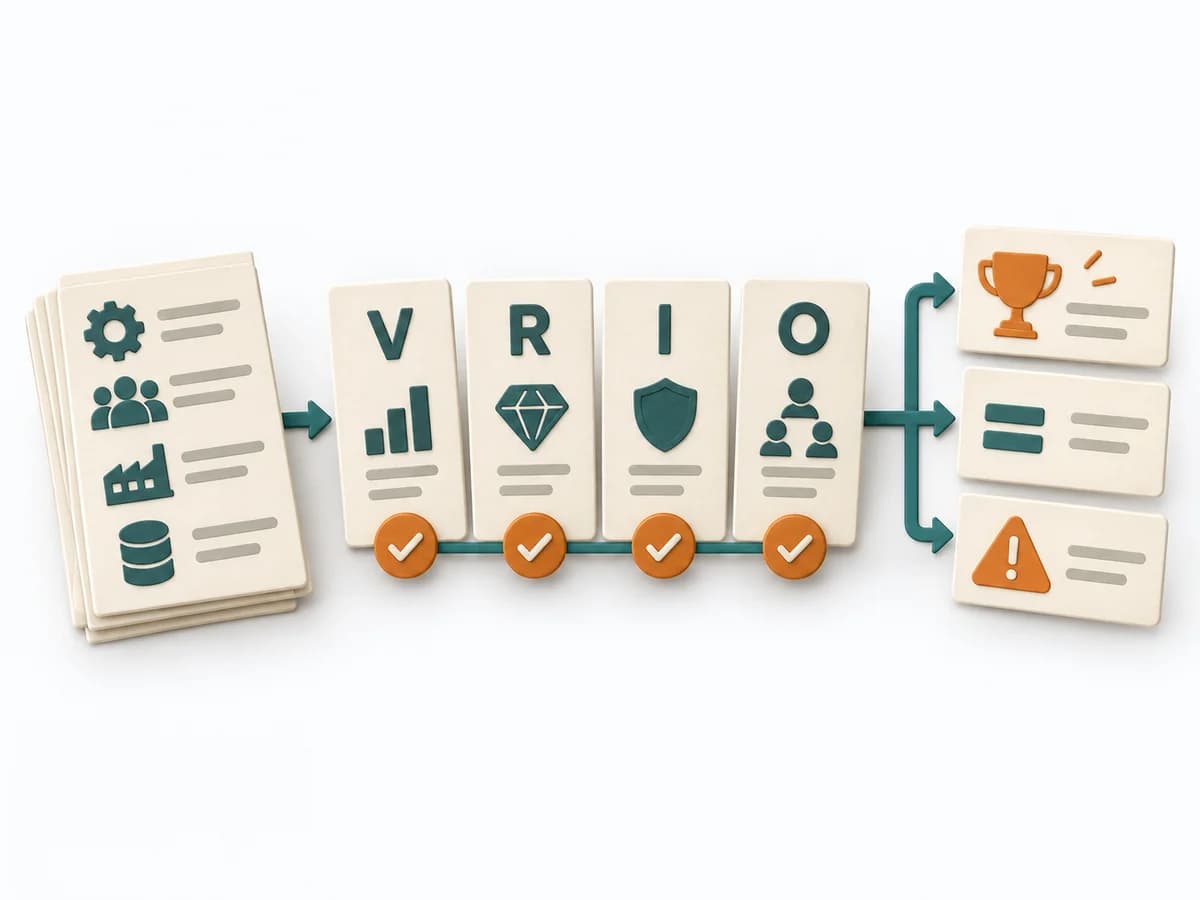 Business Strategy VRIO Framework | 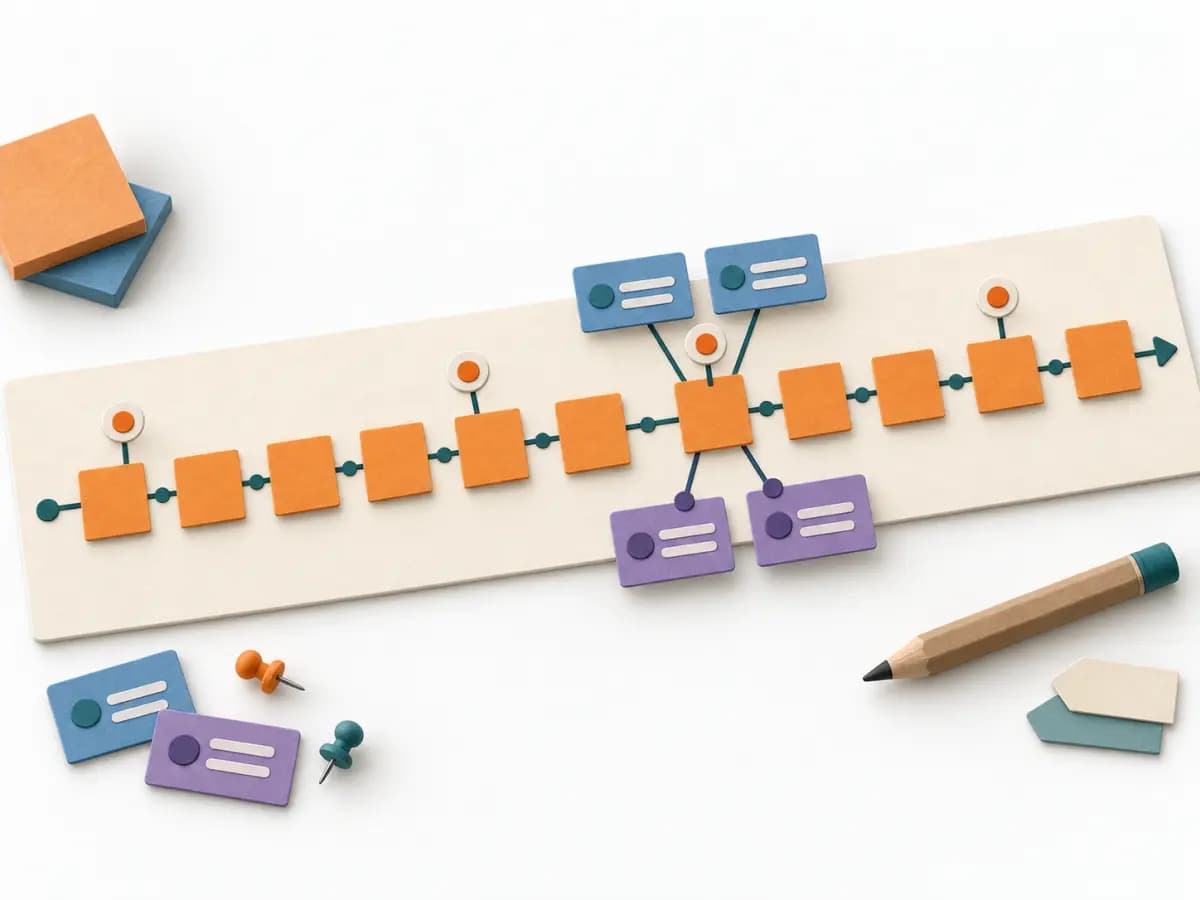 Domain Modeling EventStorming | 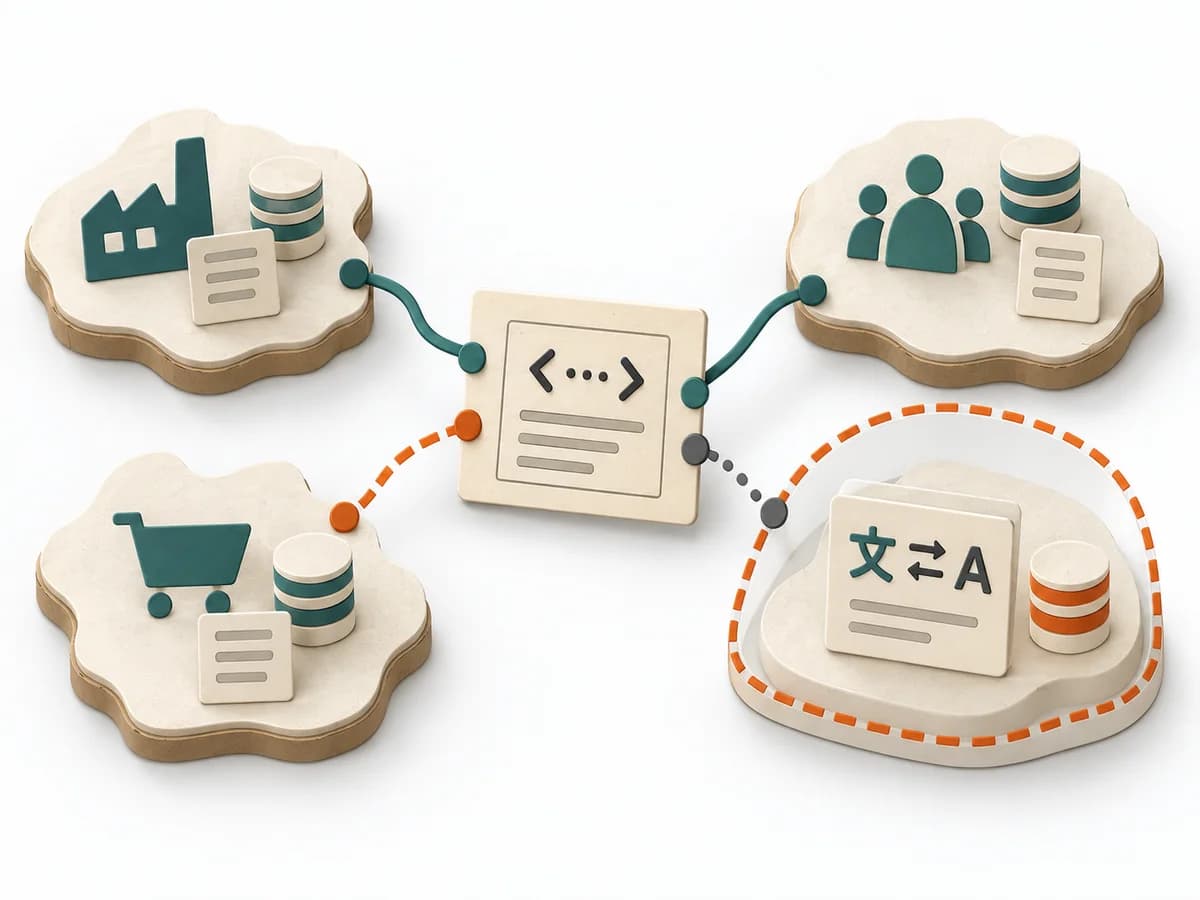 Domain Modeling Context Map |
|---|---|---|---|---|
Purposedifferent | Event Modeling connects business workflows with commands, events, and views into one coherent mental model. It helps design behavior, UI, and technical slices from the same underlying logic. | The VRIO Framework rates resources and capabilities on whether they are Valuable, Rare, Inimitable, and Organized. It compares strengths, risks, market logic, and courses of action. The result is captured as a VRIO table and strategic actions. | When a domain consists of many events, rules, and states, it creates a shared modeling space for the team. It bundles language, flows, and boundaries before domain knowledge fragments into siloed views. | When several contexts need to talk to each other, it makes their relationships and dependencies legible. It helps sort integration pressure and responsibilities across system boundaries. |
Complexitysame | Medium | Medium | Medium | Medium |
Timedifferent | 2-6 h | 90-180 min | 2-8 h | 1-3 h |
Participantsdifferent | 2-8 | 3-6 | 5-12 | 2-8 |
Formatdifferent | Workshop + async | Workshop | Workshop | Workshop + async |
Outputdifferent | Event Model, UI Flow, Commands, Read Models | VRIO Table, Strategic Actions | Event Timeline, Ubiquitous Language, Boundaries, Open Questions | Context Map, Integration Patterns, Boundary Notes |
Tagsno overlap | EventsBlueprintDomain-Driven DesignBehavior | StrategyDiagnosisBusiness modelCapability | Domain-Driven DesignEventsDiscoveryWorkshop | Domain-Driven DesignBoundariesStrategy |