View methods side by side.
Choose up to four methods. Add them using the search and share the comparison by copying its link.
| Criterion | 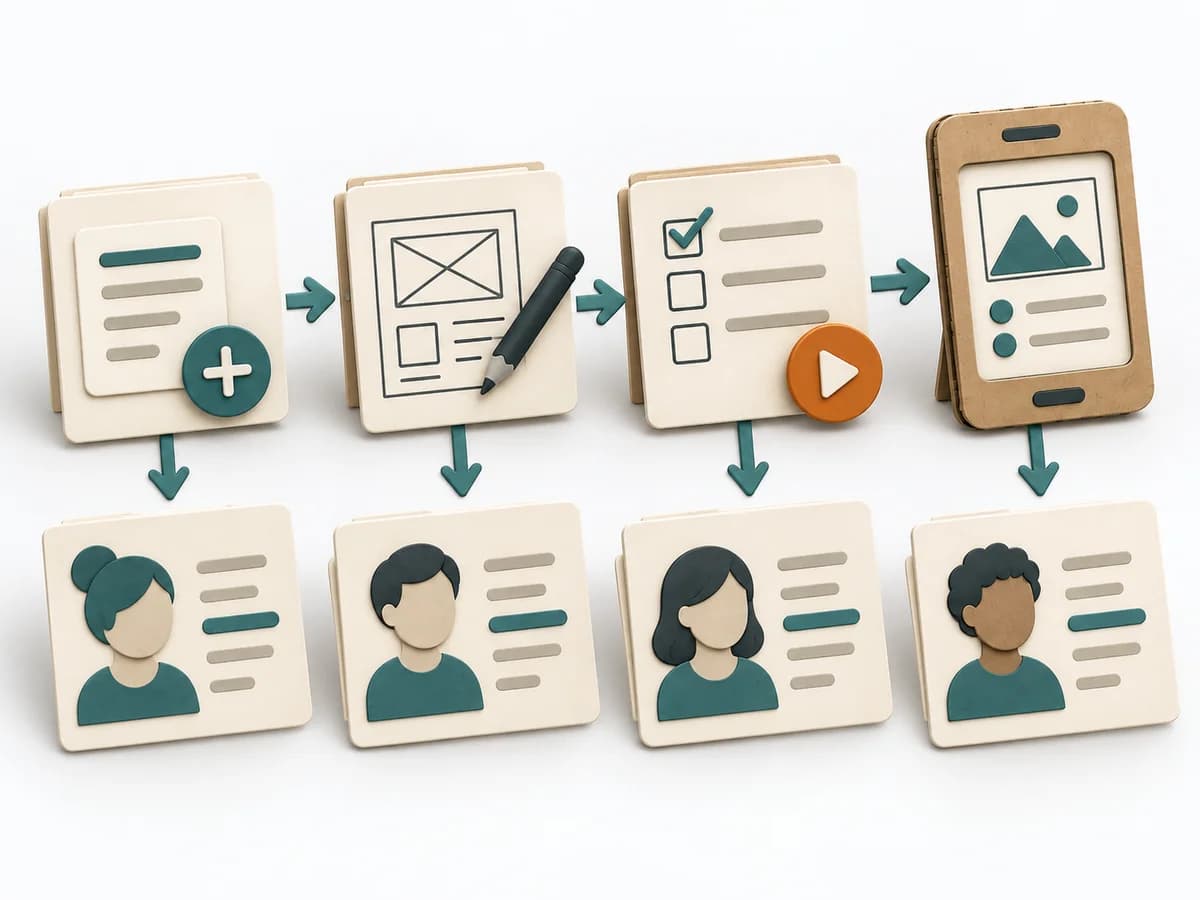 Knowledge Modeling Event Modeling |  Decision Making Force Field Analysis |  Product Strategy DIBB | 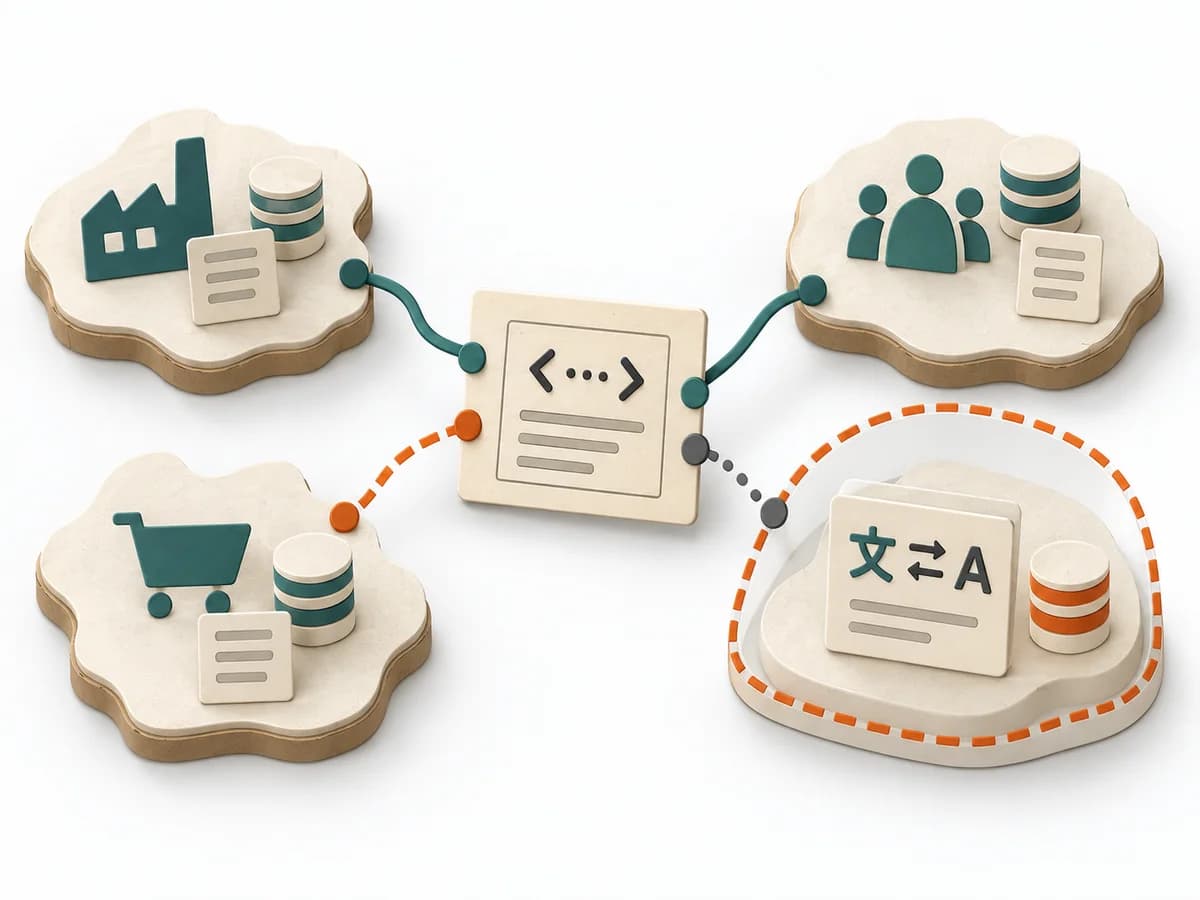 Domain Modeling Context Map |
|---|---|---|---|---|
Purposedifferent | Event Modeling connects business workflows with commands, events, and views into one coherent mental model. It helps design behavior, UI, and technical slices from the same underlying logic. | In change initiatives, supporting and restraining forces sit at the table at the same time. Force Field Analysis makes these tensions explicit and shows where change can be pushed forward by strengthening or relieving. | DIBB helps clarify target groups, value, goals, and priorities by making the logic behind a decision explicit. It captures results as a DIBB document, belief list, bet list, and learning report. | When several contexts need to talk to each other, it makes their relationships and dependencies legible. It helps sort integration pressure and responsibilities across system boundaries. |
Complexitydifferent | Medium | Low | Low | Medium |
Timedifferent | 2-6 h | 45-90 min | 1-2 h | 1-3 h |
Participantsdifferent | 2-8 | 3-12 | 2-8 | 2-8 |
Formatdifferent | Workshop + async | Workshop | Workshop + async | Workshop + async |
Outputdifferent | Event Model, UI Flow, Commands, Read Models | Force Field Map, Change Levers, Risk Notes | DIBB document, Belief list, Bet list, Learning report | Context Map, Integration Patterns, Boundary Notes |
Tagsno overlap | EventsBlueprintDomain-Driven DesignBehavior | ChangeDecisionStrategy | StrategyDecisionAssumptionsHypothesis | Domain-Driven DesignBoundariesStrategy |