View methods side by side.
Choose up to four methods. Add them using the search and share the comparison by copying its link.
| Criterion | 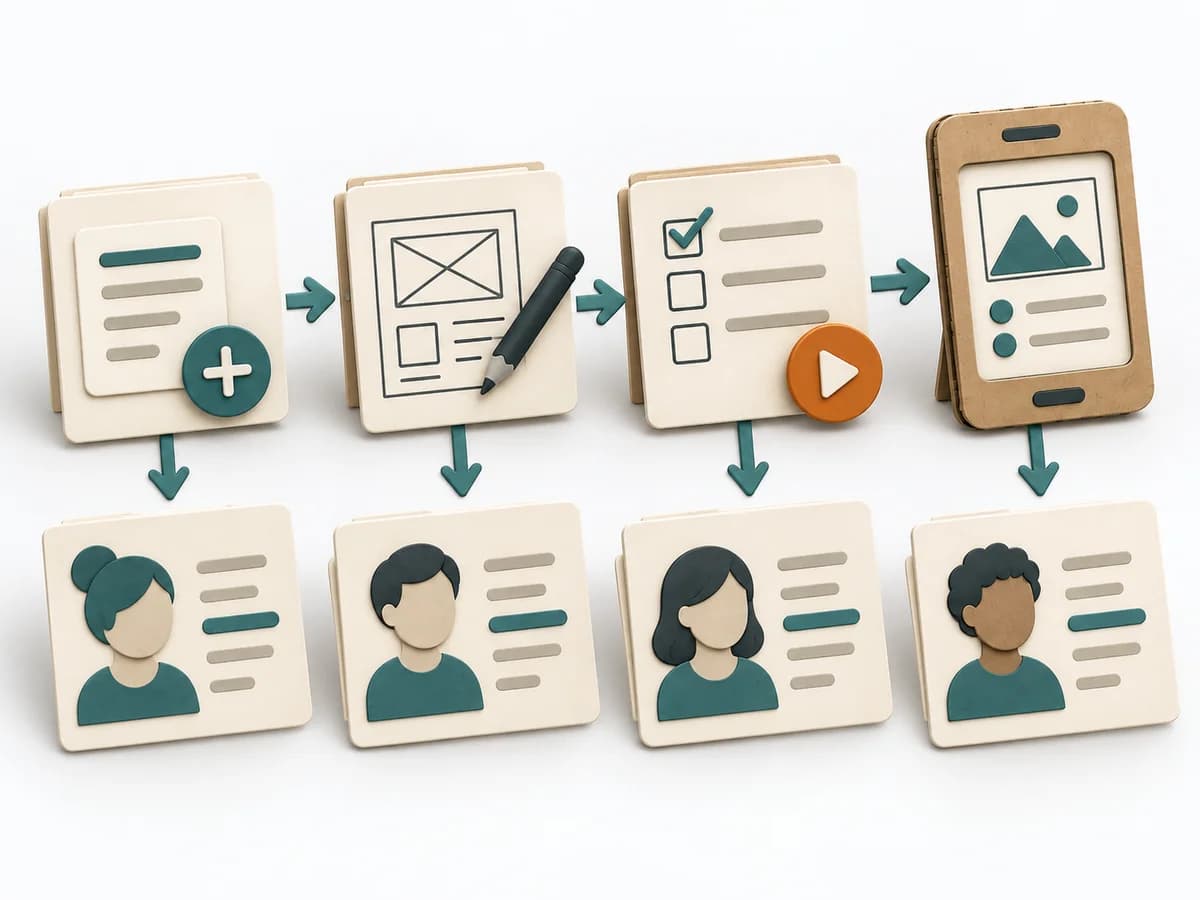 Knowledge Modeling Event Modeling | 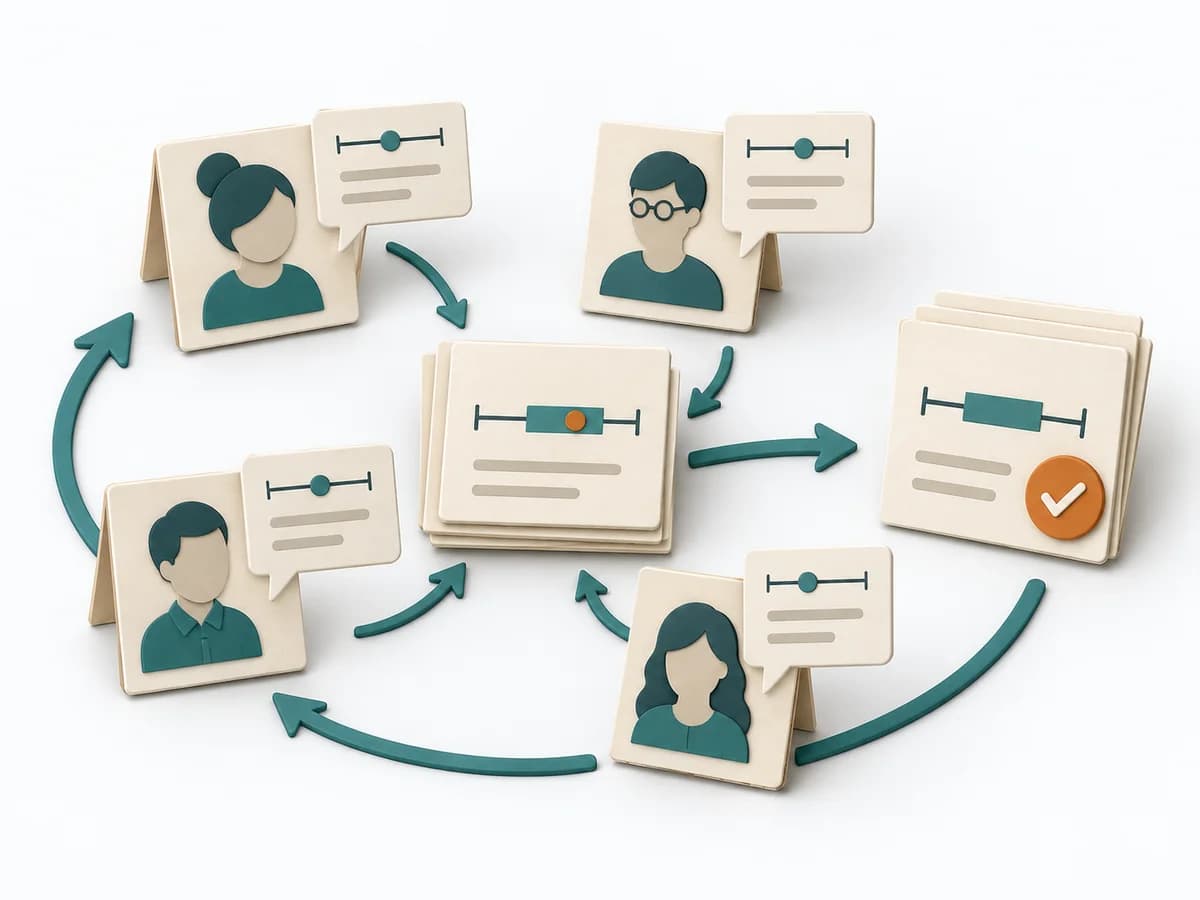 Decision Making Delphi Method |  Decision Making Constraint Analysis |  Domain Modeling Context Map |
|---|---|---|---|---|
Purposedifferent | Event Modeling connects business workflows with commands, events, and views into one coherent mental model. It helps design behavior, UI, and technical slices from the same underlying logic. | When knowledge is distributed and direct dominance should be avoided, groups quickly fall under the sway of their opinion leaders. The Delphi Method gathers assessments iteratively and gradually brings expert judgments closer together. | When an initiative stalls, the limit often lies not in the idea but in hard or soft boundary conditions. Constraint Analysis separates these limits and shows which of them can actually be shaped. | When several contexts need to talk to each other, it makes their relationships and dependencies legible. It helps sort integration pressure and responsibilities across system boundaries. |
Complexitydifferent | Medium | High | Low | Medium |
Timedifferent | 2-6 h | 1-4 Wochen | 30-90 min | 1-3 h |
Participantsdifferent | 2-8 | 6-30 Experten | 2-8 | 2-8 |
Formatdifferent | Workshop + async | Async | Workshop + async | Workshop + async |
Outputdifferent | Event Model, UI Flow, Commands, Read Models | Expert Forecast, Consensus Range, Assumption Notes | Constraint List, Hard/Soft Classification, Option Impact Notes, Decision Boundaries | Context Map, Integration Patterns, Boundary Notes |
Tagsno overlap | EventsBlueprintDomain-Driven DesignBehavior | ForecastingExpertsDecisionStrategy | ConstraintsDecisionPlanningOptions | Domain-Driven DesignBoundariesStrategy |