View methods side by side.
Choose up to four methods. Add them using the search and share the comparison by copying its link.
| Criterion | 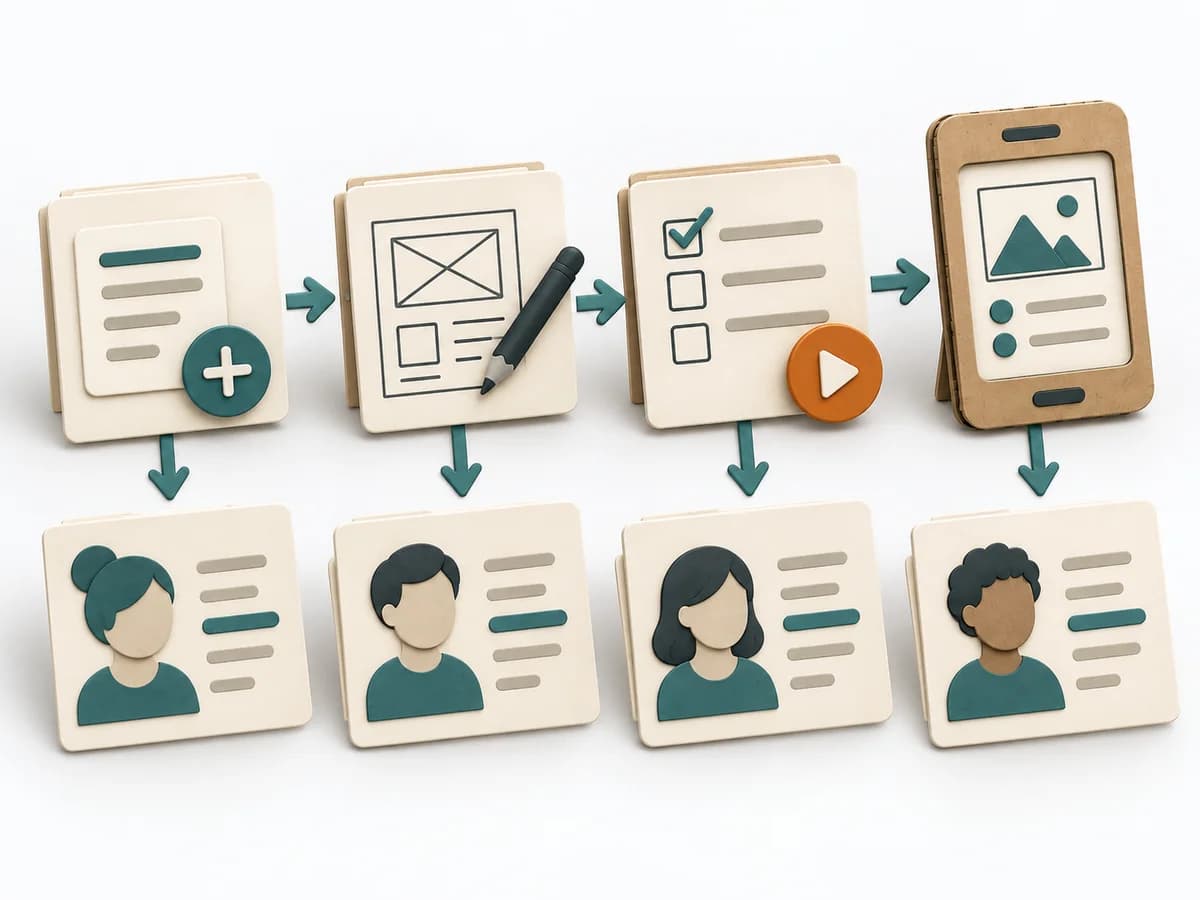 Knowledge Modeling Event Modeling | 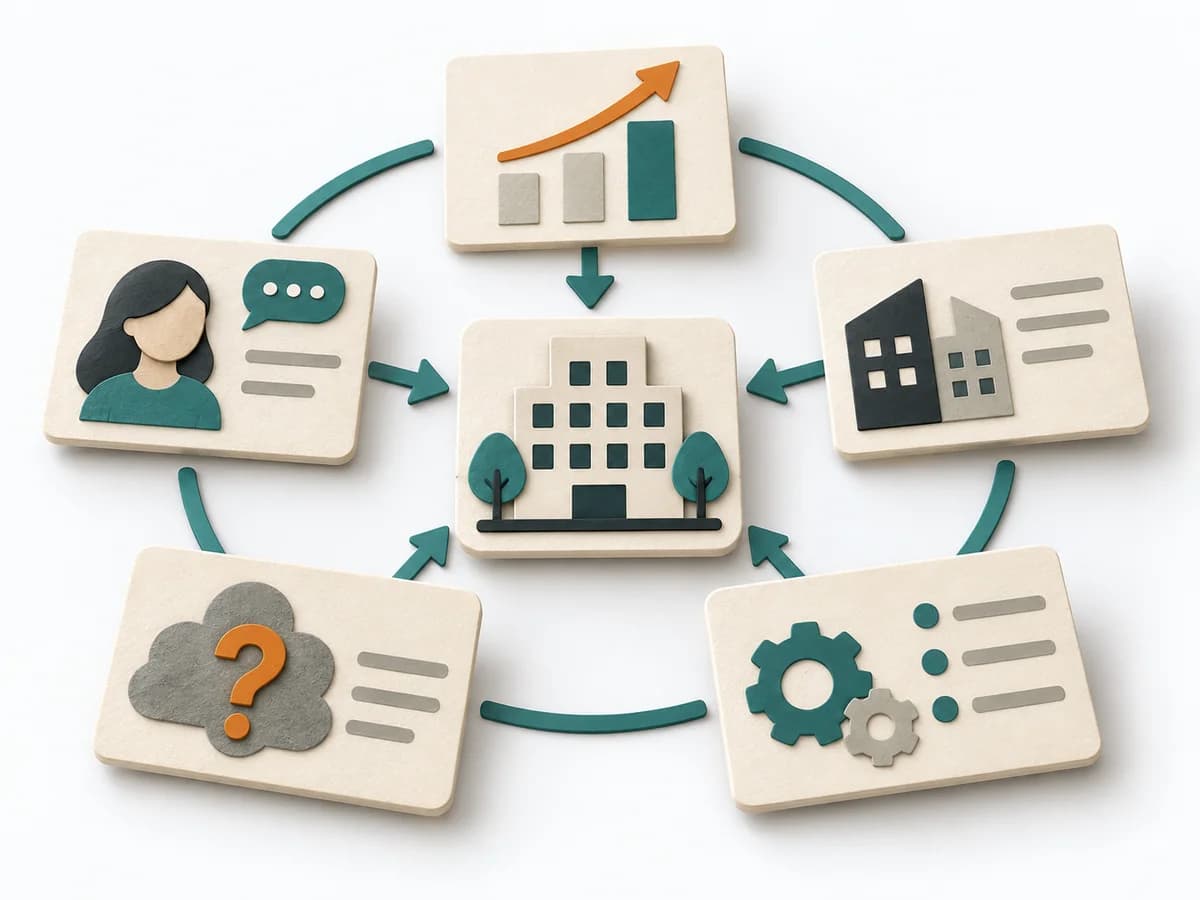 Product Discovery Context Canvas | 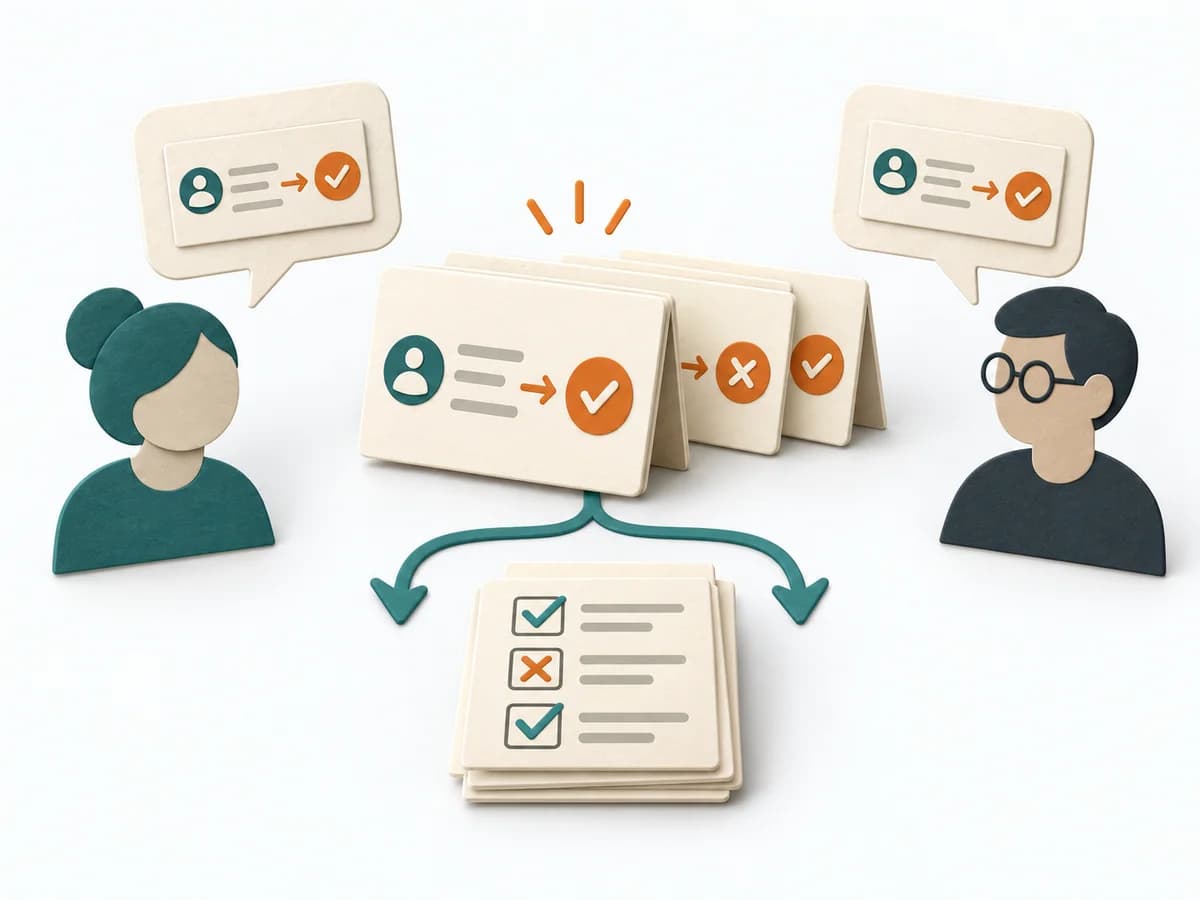 Agile Specification by Example | 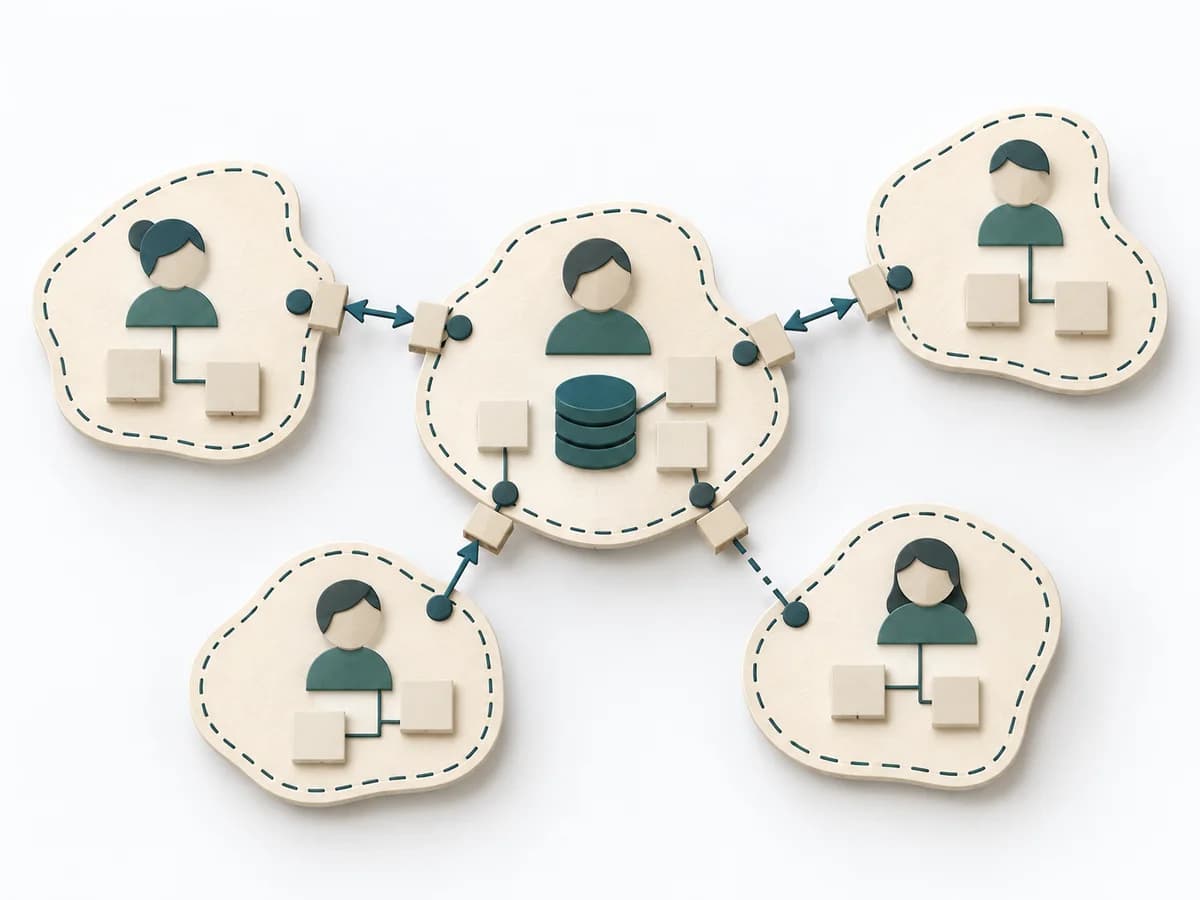 Domain Modeling Domain Context Map |
|---|---|---|---|---|
Purposedifferent | Event Modeling connects business workflows with commands, events, and views into one coherent mental model. It helps design behavior, UI, and technical slices from the same underlying logic. | When an environment of users, systems, and constraints is hard to grasp, it puts the context compactly on the table. It creates a clear reading of influence, boundary, and dependency. | When business rules need to become precise, it ties language, example, and test together. It sorts work by value, risk, and delivery ability. The result is captured as an Example Table and Acceptance Tests. | When a domain model and its associated contexts need to be thought through together, it creates a shared overview. It connects the business view and organizational boundary into a readable whole. |
Complexitydifferent | Medium | Low | Medium | Medium |
Timedifferent | 2-6 h | 45-90 min | 60-90 min pro Feature | 1-3 h |
Participantsdifferent | 2-8 | 3-10 | 3-6 | 3-10 |
Formatdifferent | Workshop + async | Workshop | Workshop | Workshop |
Outputdifferent | Event Model, UI Flow, Commands, Read Models | Context canvas, Open questions, Shared context notes | Example Table, Acceptance Tests | Domain Context Map, Boundary Notes, Ownership Map |
Tagsno overlap | EventsBlueprintDomain-Driven DesignBehavior | ContextFramingRequirementsCanvas | AgileRequirementsExamplesBehavior-Driven Development | Domain-Driven DesignContextBoundaries |